Start here: this article is part of our inherited property collection. For the full picture, read our complete guide, How to Sell a House in Probate: Step-by-Step Guide for Executors and Heirs.
Inheriting a property in another state presents unique challenges. You're dealing with grief, unfamiliar laws, property you can't easily visit, and often a house full of belongings. This guide helps you navigate the process efficiently.
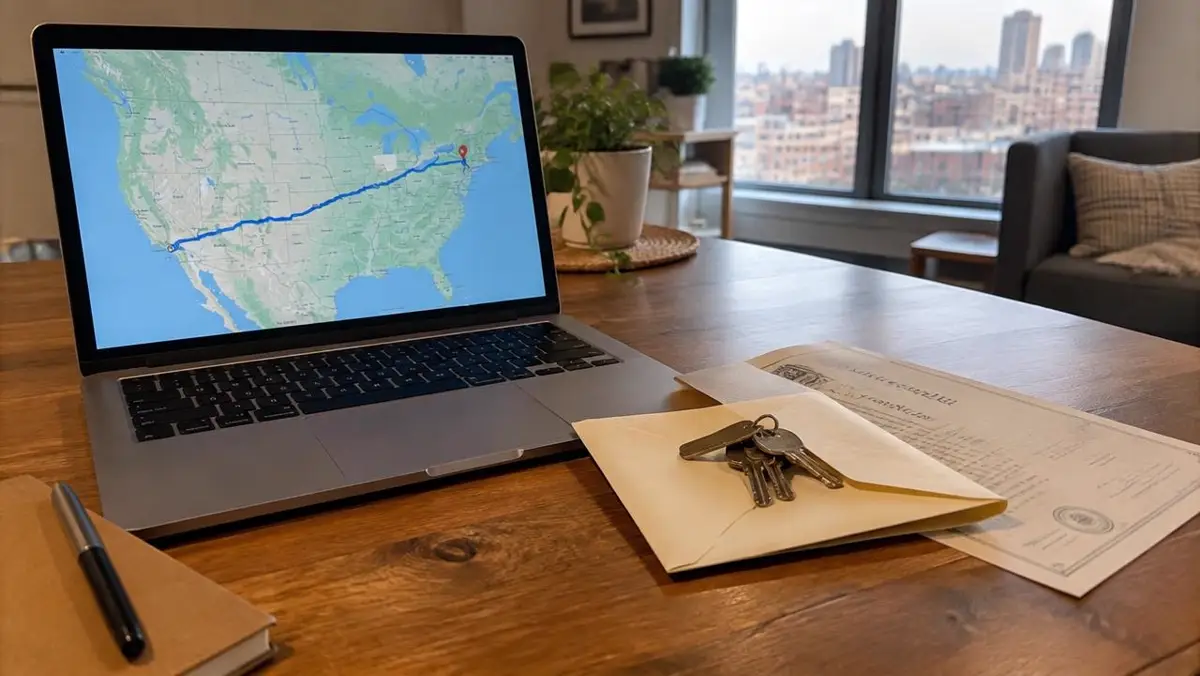
Selling an inherited home from out of state
- 1
Confirm authority
Letters testamentary/administration or a transfer deed
- 2
Secure the house
Change locks, notify insurer of vacancy
- 3
Get a value
Comparable sales or appraisal (date-of-death value)
- 4
Choose the path
List locally or sell direct as-is
- 5
Close remotely
Mobile notary or e-signing where allowed
Common Challenges of Out-of-State Inherited Property
1. Distance
- Can't easily check on property
- Travel costs for visits
- Difficult to manage contractors
- Can't attend showings
2. Unfamiliar Laws
- Each state has different probate rules
- Property taxes vary
- Transfer requirements differ
- Disclosure laws unique to state
3. Property Condition
- Unknown condition until inspection
- May have deferred maintenance
- Full of personal belongings
- May need significant work
4. Time Constraints
- Your life continues in your state
- Can't take extended time off
- Property incurs ongoing costs
- Probate has deadlines
5. Emotional Burden
- Dealing with loss
- Sentimental attachments
- Family dynamics
- Decision fatigue
Step-by-Step: Selling Out-of-State Inherited Property
Step 1: Understand Your Legal Authority
Before you can sell, you need:
If There's a Will:
- Apply for Letters Testamentary in the property's state
- You may need a local attorney
- Process takes 2-8 weeks
If No Will:
- Apply for Letters of Administration
- Court appoints administrator
- May take longer
Multi-State Estates:
- May need ancillary probate in property's state
- Additional legal complexity
- Definitely need local attorney
Step 2: Secure the Property
Even from a distance:
Immediate Actions:
- Change locks
- Notify utility companies
- Start mail forwarding
- Inform neighbors
- Update insurance
Ongoing:
- Hire property manager or caretaker
- Arrange lawn care
- Consider security system
- Have someone check regularly
Step 3: Assess Property Condition
Options:
- Visit in person (if possible)
- Hire local inspector
- Ask neighbors or family
- Use video calls with local contact
Document:
- Overall condition
- Needed repairs
- Personal property contents
- Any immediate issues
Step 4: Handle Personal Property
Options:
- Travel to sort in person
- Hire estate sale company
- Donate remaining items
- Cash buyer handles clean-out
Important:
- Check for valuables thoroughly
- Document everything
- Give family chance for keepsakes
- Don't throw away without looking
Step 5: Choose Your Selling Method
Option A: Sell to Cash Buyer (Recommended)
Best for out-of-state heirs because:
- Minimal involvement required
- No repairs needed
- No travel for showings
- Quick closing
- Handle clean-out included
Option B: List with Local Agent
Consider if:
- Property in excellent condition
- Hot market
- Time to manage process
- Can travel for signing
Option C: Auction
May work for:
- Unique properties
- Quick timeline needed
- Clear-cut process
Step 6: Complete the Sale
Documents needed:
- Death certificate
- Letters Testamentary/Administration
- Property deed
- Any powers of attorney
- ID verification
Closing options:
- Mobile notary comes to you
- Remote online notarization (some states)
- Travel for closing
Inheriting a property in another state presents unique challenges.
Tax Considerations
Step-Up in Basis
You receive the property at fair market value on death date, not original purchase price.
Example:
- Deceased paid: $75,000
- Value at death: $250,000
- Your basis: $250,000
- Sell for $250,000: $0 capital gains
State Tax Implications
May owe taxes in:
- State where property located
- Your state of residence
- Federal estate taxes (large estates)
Consult Professionals
Work with:
- CPA familiar with both states
- Estate attorney
- Financial advisor
Managing Remotely: Practical Tips
Build a Local Team
Essential contacts:
- Real estate attorney
- Real estate agent (if listing)
- Property manager/caretaker
- Handyman for emergencies
- Locksmith
- Estate sale company
Use Technology
Tools:
- Video calls for property walkthroughs
- Digital document signing
- Bank apps for payments
- Email/text with all vendors
- Cloud storage for documents
Stay Organized
Keep track of:
- All expenses (for estate accounting)
- All communications
- Deadlines and appointments
- Important documents
Set a Budget
Typical monthly carrying costs:
- Utilities: $100-200
- Property taxes: Varies
- Insurance: $100-200
- Lawn/maintenance: $100-200
- Property management: $100-300
- Total: $400-1,000+/month
Why Cash Buyers Work Best for Out-of-State Heirs
Minimal Travel Required
- One brief visit (or none) for walkthrough
- Remote signing available
- No multiple trips for showings
No Repairs Needed
- Sell as-is
- No managing contractors remotely
- No repair negotiations
Quick Timeline
- Close in as little as 21 days
- Stop carrying costs immediately
- Move on faster
Personal Property Included
- Don't need to empty house
- We handle clean-out
- Take what you want, leave the rest
Simple Process
- One buyer to work with
- Clear terms
- No showing schedule
- No multiple offers to evaluate
The SilverCrest Estates Out-of-State Process
Step 1: Contact Us
Tell us about the property (online or phone).
Step 2: Receive Offer
Cash offer within 24 hours.
Step 3: Brief Walkthrough
- We send local team
- 30-minute walkthrough
- You don't need to be there
Step 4: Close Remotely
- Mobile notary or remote closing
- No travel required
- Funds wired to estate account
We Handle:
- Property clean-out
- Any necessary repairs
- All closing coordination
- Title clearance
When a cash sale may not be your best option
If the estate has no deadline, the heirs agree, and the home is in good shape, listing it after probate (or after the transfer is complete) may bring a higher price. Some families also choose to keep the home as a rental or for a relative. A fast cash sale fits best when the estate is carrying costs it can't afford, heirs live far away, or the house needs work no one wants to manage. Talk with the estate's attorney before signing anything, and compare a cash offer against listing on net proceeds.
A remote-sale checklist
- Death certificate copies (order several; many offices need originals).
- Letters testamentary or the trust certificate showing your authority.
- A local contact to check the home weekly.
- Updated insurance that covers a vacant home.
- Utility accounts moved into the estate's name.
- A title company in the property's state that offers mobile or remote online notarization.
- A secure way to receive proceeds, with wire details confirmed by phone.
Questions to ask local professionals
Ask a local title company what they need from out-of-state heirs, whether they accept remote online notarization, and how long title searches usually take in that county.
What to do this week
Confirm your legal authority, insure the vacant home, and request an offer you can sign remotely.
The Bottom Line
Selling inherited property from out of state is manageable with the right approach. A cash sale typically provides the simplest, fastest path to resolution while minimizing the burden on you.
Contact SilverCrest Estates for a free consultation and cash offer on your out-of-state inherited property.
Related Guides
- How to Sell a House in Probate
- Selling an Inherited House Fast
- Understanding the Probate House Sale Timeline
- Glossary: deed
Weighing a cash sale? See what your home is worth — free and no obligation.
Frequently asked questions
Can I sell an inherited house before probate is finished?
It depends on your state and how the property was titled. Property held in a living trust or passing through a transfer-on-death deed can often be sold right away, while property that must pass through probate usually needs the court to confirm the executor's authority first. Some states also allow a sale during probate with court approval, so ask the estate attorney which path applies.
How is an inherited property taxed when I sell it?
Inherited property generally receives a stepped-up basis equal to its fair market value on the date of death, so if you sell soon afterward the taxable gain is often small. Appreciation after the date of death is what creates gain. IRS Publication 559 covers the executor's reporting duties, and a CPA can price the step-up correctly.
What if the heirs disagree about selling?
All titled heirs generally must sign for a sale to close. When siblings disagree, the common paths are a buyout of one heir's share, mediation, or a partition action in court as a last resort. A direct cash sale with a firm number often settles the argument faster than a listing, because there's a concrete figure to divide instead of a hypothetical one.
Do I have to pay capital gains tax when I sell my house?
Often you don't. If the home was your primary residence for at least two of the last five years, IRS Publication 523 lets most single filers exclude up to $250,000 of gain and most married couples filing jointly up to $500,000. Gain above the exclusion, or on a property that wasn't your primary residence, is generally taxable. Confirm your specific situation with a tax professional.
Do I need to visit the property?
Not if selling to a cash buyer. We handle everything locally.
How do I sign documents from my state?
Mobile notary, overnight mail, or remote online notarization.
What about the stuff in the house?
Take what you want. We handle the rest or include clean-out in our service.
How fast can this process go?
Once you have legal authority, we can close in as little as 21 days.
What if there are multiple heirs in different states?
We work with all parties and can accommodate various signing arrangements.
Sources & further reading
Primary sources we consulted for this article. Rules vary by state and change over time — always confirm against the original source.
- 1Publication 559: Survivors, Executors, and Administrators
Internal Revenue Service
How stepped-up basis works for inherited property and what an executor is responsible for.
- 2Probate courts and estate administration
American Bar Association
How the probate process works and when an estate can legally sell real property.
- 3Estate Tax overview
Internal Revenue Service
Federal estate tax thresholds that can apply when property transfers after a death.

About the author
Jennifer Martinez
Real Estate Transaction Specialist
Jennifer Martinez works with the SilverCrest Estates acquisitions team, helping homeowners across 50+ US markets understand their options and close on their own timeline.
Disclaimer: This article is for general information only and is not legal, tax, or financial advice. Real estate rules vary by state and change over time. Consult a licensed attorney, tax professional, or financial advisor about your specific situation before acting.