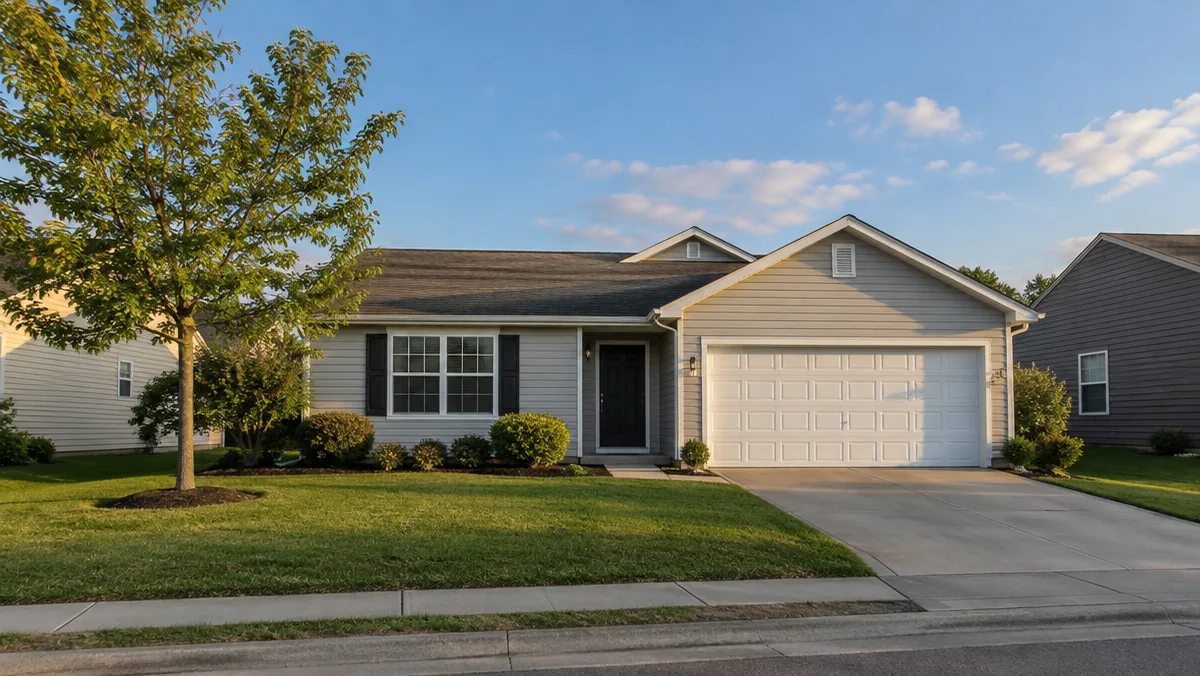
Condition and deferred maintenance
Roof, foundation, HVAC, plumbing and electrical are the four that move a cash offer most. Cosmetic wear matters far less than sellers expect — nobody prices your paint colour, they price the roof.
Selling for cash means one buyer purchases your home directly with their own funds — no lender, no appraisal, no financing contingency and no months on the market. Here is exactly how the process runs, how long each step really takes, what moves the number up or down, and when a cash sale is genuinely the wrong choice for you.
The core difference between a cash sale and a traditional sale is what can go wrong. On the open market, your buyer needs a mortgage, and that mortgage needs an appraisal, an underwriter and a clean inspection. Any of those three can end the deal weeks after you accepted the offer. A cash buyer removes all three, which is why a cash closing is measured in days and why the closing date you agree to is the closing date you get.
What a cash sale does not remove is the title work. Before anyone can pay you, a title company has to confirm you own the property free of anything that would follow it to the next owner. Unpaid property taxes, an old mortgage that was paid but never released, a contractor's lien, an incomplete probate or a missing heir's signature all take real time to resolve. When a cash sale takes longer than a week, this is almost always why.
A cash offer is not a random number. It starts with what your home would be worth fully repaired, based on recent nearby sales, and subtracts three things: the cost of the repairs it needs, the cost of owning it while it is being repaired and resold, and the buyer's margin for the risk of being wrong about either. Understanding that structure is the fastest way to tell a serious offer from a number designed to get your signature and be renegotiated later.
Be honest with yourself about the trade. If your home is in good shape, in a neighborhood buyers want, and you can wait three to six months through showings and an inspection negotiation, listing it will almost always put more money in your pocket. A cash sale is the better choice when time, certainty, condition or a difficult situation is worth more to you than the last several percent of the price.
Six steps from address to wire. The timings below are what we actually run to — the only step that reliably varies is the title work.
Beds, baths, square footage and the rough condition. You do not need to clean, stage or photograph anything. Most of the property record is already public, so the questions are about what the record cannot tell us: the roof, the systems, and whether anyone is living there.
We estimate what the home is worth in fully repaired condition using recent comparable sales nearby, subtract the cost of the repairs it needs, subtract the cost of holding and reselling it, and the remainder is your offer. It arrives in writing with no obligation, and we will walk you through each line of the math if you ask.
Nothing is signed and nothing is owed. Sellers regularly take our number to an agent for a second opinion, and that is a reasonable thing to do. If the open market is clearly better for you, we will tell you so.
You sign a straightforward purchase agreement and we open escrow with a licensed title company or closing attorney. Your earnest money deposit is placed there, not with us. From this point the file is handled by a neutral third party.
The title company confirms you have clear ownership and looks for anything attached to the property — an unreleased mortgage, a tax lien, a contractor's lien, an unfinished probate. This is the step that actually determines your timeline. Cash removes the lender, not the title work.
You sign at the title company or with a mobile notary, your mortgage payoff and any liens are settled out of the proceeds, and the balance is wired to you, usually the same day or the next business day. No repairs, no showings, no financing contingency and nothing owed out of pocket.
A cash offer starts from what your home is worth fully repaired and subtracts repair cost, holding cost and the buyer's margin. These are the six inputs that move those numbers.
Roof, foundation, HVAC, plumbing and electrical are the four that move a cash offer most. Cosmetic wear matters far less than sellers expect — nobody prices your paint colour, they price the roof.
What similar homes on your street actually closed at in the last few months sets the ceiling. Asking prices and online estimates do not; closed sales do.
Every month the buyer holds the home costs mortgage interest, taxes, insurance and utilities. A slower-moving neighbourhood means more holding cost, which comes out of the offer.
Unpaid taxes, liens, an unfinished probate or a co-owner who has to sign do not usually change the price, but they change the timeline — and a buyer who ignores them is setting you up for a delay.
Tenant-occupied homes, especially with a lease in place or unpaid rent, are priced differently because the new owner inherits the situation. We still buy them; it just affects the math.
A closing date is not usually a price lever with a direct buyer — we can do 21 days or ninety. If a buyer tells you a longer close costs you money, ask them to explain why.
We would rather tell you this than buy a house you should have listed.
Enter your address and we'll come back with a real, written number within 72 hours. Free, non-binding, and no one will pressure you to take it.
Free and non-binding. We buy directly with our own funds — no listing, no showings, no repairs.
Submit the address and basic details to a cash buyer, receive a written offer, accept or counter it, then close through a licensed title company or closing attorney. With SilverCrest that is a written offer within 72 hours and a closing date you choose, from 21 days out to ninety. There is no listing, no photography, no showings and no repair work at any point in the process.
Three weeks is realistic once the title is clear, and many sellers deliberately choose a later date so they can coordinate a move. The money is never the constraint with a genuine cash buyer. What extends a timeline is title: an unreleased lien, a probate that has not finished, unpaid taxes or a co-owner who has to sign. Ask your buyer to order the title search on day one rather than day ten.
Less than a fully renovated home would fetch on the open market, but the comparison most sellers should run is against their net proceeds, not the list price. From a traditional sale you subtract agent commission, the repairs the buyer's inspector demands, any concessions, and several more months of mortgage, taxes, insurance and utilities. A cash offer with no commission, no repairs and no holding period frequently lands closer to that net figure than sellers expect.
Recent comparable sales near you establish what the home is worth in good repair. From there the buyer subtracts the estimated cost of the repairs your home needs, the cost of holding it through the renovation and resale, and their margin. We will show you those four numbers for your property if you want to see them — a buyer who will not show you the math is worth being cautious about.
Yes, and this is where a cash sale is often the only practical route. A home with a failed roof, foundation movement, fire or water damage, or serious code violations frequently cannot be financed by a retail buyer at all, because the lender will not approve the loan against it. A direct cash buyer purchases it in exactly the condition it stands in today. You do not clean, repair or remove anything, including whatever you leave behind.
Not to SilverCrest. There is no commission, no listing fee and no service fee, and we cover standard closing costs on our side. Items attached to the property itself are settled out of the proceeds at closing rather than out of your pocket: your mortgage payoff, any liens, and property taxes prorated to the closing date. You receive a settlement statement showing every line before you sign.
Sometimes, and you should know when. If your home is in good condition, priced in a range where buyers are active, and you have three to six months and the tolerance for showings and an inspection negotiation, listing on the open market will usually net you more money. A cash sale earns its place when the home needs work, when a deadline is real, or when the certainty of a fixed date and a fixed number is worth more to you than the difference in price.
No, and you will not pay a commission if you do not use one. That said, nothing stops you from hiring one, and if you have any doubt about whether the offer is fair, paying a local agent for an hour of their time or a written market analysis is money well spent. A cash buyer who discourages you from getting a second opinion is telling you something about their offer.
Usually there is a walkthrough, but the purpose differs from a traditional inspection. A retail buyer inspects in order to ask you to fix things or reduce the price. A direct buyer is walking the home to confirm the condition already assumed in the offer. Ask up front whether your number can change after that visit — with SilverCrest, absent something genuinely undisclosed like an unreported structural issue, the offer you accepted is the offer that closes.
Cost ranges and industry figures on this page come from the public sources below. Where a precise figure varies by state, county or transaction, we say so rather than quoting a single number.