Start here: this article is part of our selling your home collection. For the full picture, read our complete guide, How to Sell Your House Fast: The Complete Homeowner's Guide.
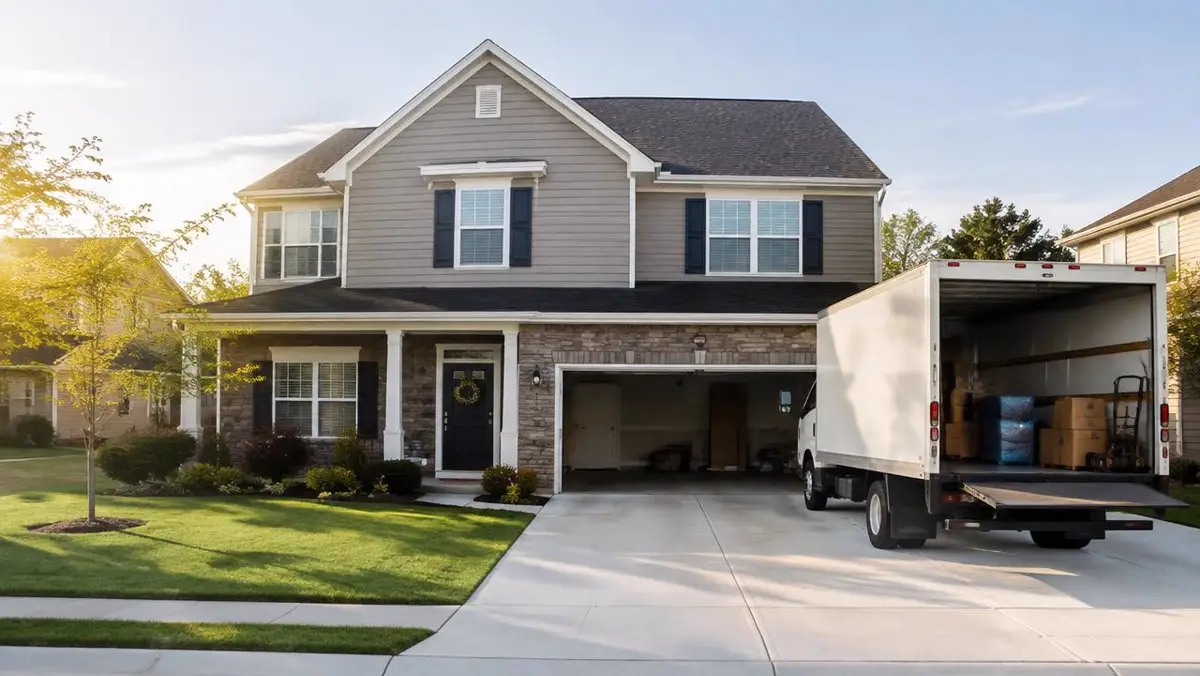
Selling your current home while buying your next one is one of the trickiest timing puzzles in real estate. Do it wrong and you either own two homes at once — paying two mortgages — or sell and have nowhere to go. Here's how to coordinate both transactions and the strategies that keep you from getting squeezed.
Buy first, sell first, or both at once?
| Strategy | Risk | Tools that help |
|---|---|---|
| Sell first | Need temporary housing | Rent-back or flexible closing date |
| Buy first | Two payments | Bridge loan or HELOC |
| Contingent offer | Weaker offer | Home-sale contingency |
| Direct sale with chosen date | Lower price than retail | Pick closing to match purchase |
The Core Problem: Timing and Money
Two forces are in tension. Most people need the equity from their current home to fund the down payment on the next one — but you can't easily close both on the same day, and each side has its own risks. Your job is to bridge that gap without carrying two housing payments or ending up homeless between closings.
Option 1 — Sell First, Then Buy
You sell your current home, then shop with cash in hand.
Pros: You know exactly how much equity you have, you're a strong non-contingent buyer, and you avoid two mortgages. Cons: You may need temporary housing and to move twice.
Negotiate a rent-back (staying in your sold home for a short period after closing) to buy time to find your next place. This is often the safest financial path.
Option 2 — Buy First, Then Sell
You purchase the new home, then sell your old one.
Pros: You move once, on your schedule, with no interim housing. Cons: You may carry two mortgages temporarily, and you'll need funds for the new down payment before your equity is freed up.
This works best with strong finances or a bridge loan (below).
Option 3 — Contingent Offers
You make an offer on the new home contingent on selling your current one. A sale contingency protects you — but in a competitive market, sellers often reject contingent offers in favor of cleaner ones. It's a tool that works better in slower markets.
Financing Bridges
- Bridge loan: Short-term financing that uses your current home's equity to fund the new down payment; repaid when the old home sells.
- HELOC: A line of credit opened before you list (lenders often won't open one on a home already for sale).
- Buy-before-you-sell programs: Services that buy or guarantee your current home so you can shop non-contingent.
Each carries costs and risk — compare them against your timeline and cash cushion.
Selling your current home while buying your next one is one of the trickiest timing puzzles in real estate.
The Cash-Sale Advantage for Timing
The single biggest source of timing risk is a slow or uncertain sale of your current home. A direct cash offer removes that variable: you get a firm number and a closing date you choose, so you can line it up precisely with your purchase — even close both the same week. That certainty is often worth more than squeezing out the last few percent of retail price, especially when a failed sale could cost you your next home. Understand realistic timelines in how long it takes to sell a house.
Budget for Both Transactions
Don't forget the full cost picture: closing costs on both the sale and the purchase, moving expenses, potential overlap in mortgage/utility payments, and earnest money on the new home. Building a buffer keeps a small delay from becoming a crisis.
Should You Even Move Now?
If the timing math is stressful, step back and ask whether now is the right moment at all. Our guide to timing your home sale can help you weigh market conditions against your personal needs.
A Coordinated Closing Checklist
Juggling two closings is manageable if you stay ahead of the details:
- Get pre-approved early so you know your buying power before you sell, and understand how your current mortgage payoff affects your next down payment.
- Line up your financing bridge — HELOC (opened before you list), bridge loan, or a buy-before-you-sell program — well ahead of time.
- Negotiate timing into both contracts. A rent-back on your sale or a flexible closing on your purchase can bridge a gap of days or weeks.
- Keep a cash cushion for overlap: two mortgage payments, closing costs on both deals, earnest money on the purchase, and moving expenses.
- Coordinate your closing agents. If both transactions use the same title company, back-to-back or same-day closings get much easier.
Removing the Biggest Variable
The part of this puzzle you control least is when your current home actually sells — and that uncertainty is what forces double mortgages or contingent offers sellers would rather avoid. Locking in a firm sale date up front collapses the whole problem: you know exactly when your equity frees up and can time your purchase to match. That's why many move-up sellers take a cash offer on their current home — the guaranteed, date-certain close lets them shop as a strong, non-contingent buyer and, in some cases, close both homes the same week. Weigh that certainty against the last few percent of retail price; for a stressful dual transaction, it's often the trade that makes everything else fall into place.
When a cash sale may not be your best option
If your home shows well, your timeline is flexible, and getting top dollar matters more than speed or convenience, a traditional listing is often the better choice. Sellers in strong markets with updated homes usually do best on the open market. A direct sale to SilverCrest Estates fits when you value a set closing date, no showings, and no repairs more than squeezing out the last few thousand dollars. See the trade-offs side by side on our cash vs. listing comparison.
A sample budget for overlap
If you buy first and sell second, plan for at least two to three months of both housing payments. Write out:
| Monthly cost | Current home | New home |
|---|---|---|
| Mortgage payment | $ | $ |
| Property taxes and insurance | $ | $ |
| Utilities | $ | $ |
| HOA dues | $ | $ |
Then add moving costs, any bridge loan fees, and a cushion for repairs your buyer requests. If the total is uncomfortable, selling first with a rent-back, or selling to a cash buyer with a chosen closing date, may be safer.
How a sale-contingent offer is viewed
In competitive markets, sellers often reject offers contingent on the buyer selling their current home, because the deal depends on a second transaction. If you must make a contingent offer, strengthen it with a short contingency window, a larger earnest money deposit, or a pre-arranged sale on your current home. Having a signed cash contract on your existing house can make your purchase offer look almost like a non-contingent one.
Questions to ask your lender
- Can I qualify for the new mortgage while still paying the old one?
- Do you offer bridge loans, and what are the costs?
- How long does my pre-approval last?
- Will rental income count if I rent out my current home?
What to do this week
Talk to your lender about qualifying for both loans, get a written cash offer on your current home, and map out the timeline for both closings.
Key points to remember
- Budget for overlapping payments.
- Rent-backs can bridge the gap.
- Contingent offers are weaker.
- A cash sale with a set date simplifies timing.
The Bottom Line
The safest sequence for most people is to sell first (with a rent-back) or to lock in a certain sale before committing to a purchase. If you have strong finances, buying first or using a bridge loan preserves flexibility. Whatever path you choose, removing the uncertainty of your current home's sale is what makes the whole thing work — which is why many move-up sellers take a firm cash offer for the certainty. SilverCrest Estates closes on your timeline with no commissions — request a free offer and coordinate both moves with confidence.
Frequently asked questions
What does the selling process look like start to finish?
With SilverCrest Estates: you share the property details, we underwrite it and send a written offer (usually within 24 hours), we confirm condition with a brief walkthrough, then title work runs while you pick a closing date. You sign at the title company or remotely, and funds are wired the same day the deed records.
What paperwork do I need to sell?
Photo ID, the deed or your parcel number, your mortgage payoff information, and any HOA details. Estates, divorces, and trusts add documents — letters testamentary, a divorce decree, or the trust certification. Gathering these before closing is the simplest way to keep a fast timeline intact.
Who handles the title work and the money?
A licensed title company or closing attorney runs the title search, clears liens, prepares the settlement statement, and disburses funds. Earnest money and sale proceeds move through their escrow account, never directly between buyer and seller — that's the structural protection in a legitimate transaction.
Sources & further reading
Primary sources we consulted for this article. Rules vary by state and change over time — always confirm against the original source.
- 1Profile of Home Buyers and Sellers
National Association of Realtors
Annual research on why sellers move, how they choose a sale method, and what it costs them.
- 2Understanding the Closing Disclosure
Consumer Financial Protection Bureau
A line-by-line breakdown of the fees that appear on a real closing statement.
- 3Find a HUD-approved housing counselor
U.S. Department of Housing and Urban Development
Free or low-cost counseling before a major housing decision.

About the author
Jennifer Martinez
Real Estate Transaction Specialist
Jennifer Martinez works with the SilverCrest Estates acquisitions team, helping homeowners across 50+ US markets understand their options and close on their own timeline.
Disclaimer: This article is for general information only and is not legal, tax, or financial advice. Real estate rules vary by state and change over time. Consult a licensed attorney, tax professional, or financial advisor about your specific situation before acting.