
Definition
A down payment is the portion of the purchase price a buyer pays out of pocket at closing, with the remaining balance financed through a mortgage. Larger down payments mean smaller loans, which generally translates into stronger, more reliable offers. For a seller evaluating competing offers, the size of a buyer's down payment is a rough but useful signal of how likely their financing is to actually survive underwriting all the way to closing. A buyer putting down 20% or more typically has an easier time qualifying and avoids extra costs like private mortgage insurance, which can make their loan smoother to close. On the other hand, a low or minimal down payment doesn't automatically mean a bad buyer, but it does leave less cushion if the appraisal comes in low or their finances shift during escrow. For a seller, the size of a buyer's down payment matters mostly as a signal of how likely the deal is to actually close: a buyer putting very little down has less of their own money at risk and is more exposed to appraisal gaps and last-minute underwriting changes. That is the practical difference between a financed offer and a cash offer — a cash buyer has no down payment, no lender and no loan condition to satisfy, so the only real question left is title.
Real seller example
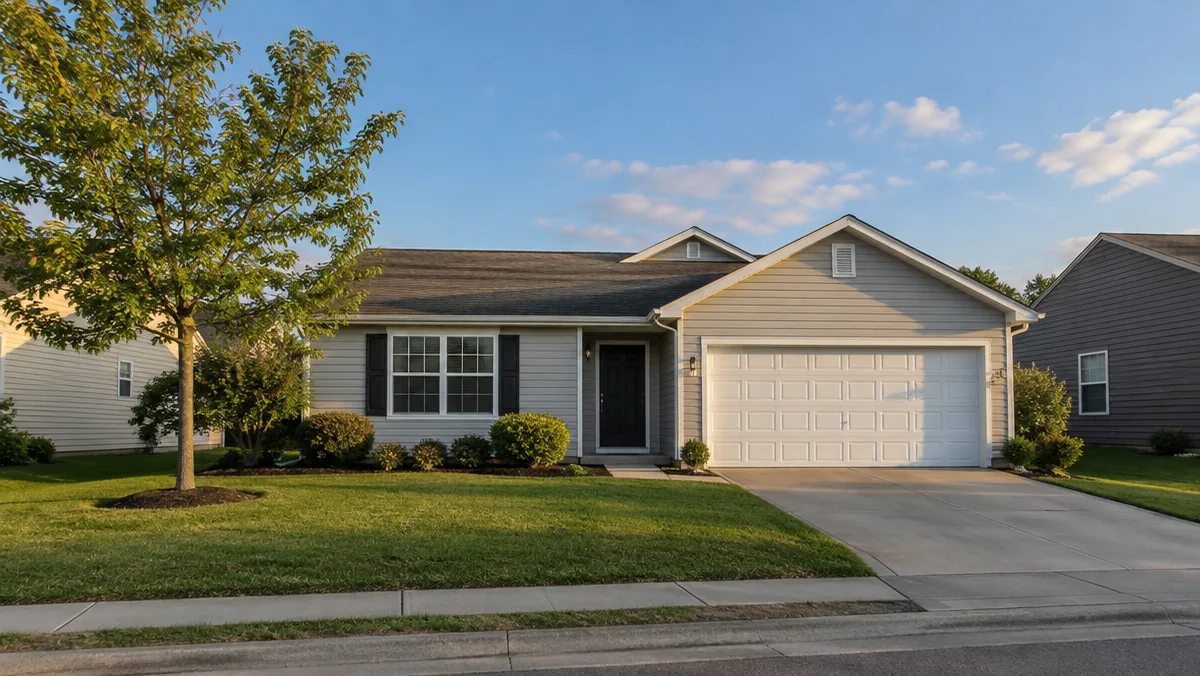
One buyer offered to put 20% down on Kevin's $300,000 home, bringing $60,000 to the table and borrowing $240,000 from a conventional lender. A second buyer offered slightly more overall but planned only 3% down with a thin approval and almost no cash reserves left over after closing. Kevin's agent advised him that the larger down payment was the safer bet, since it left more cushion if the appraisal came in low or the buyer's finances shifted during a long escrow period. Kevin also asked both buyers for their pre-approval letters and noticed the 20%-down buyer's letter looked far more solid and specific. It turned out to be the one that closed without a hitch, right on schedule and without a single request for a price reduction. The higher offer likely would have carried more uncertainty all the way to closing day, and Kevin was relieved he'd weighed more than just the top-line number. When two offers came in at nearly the same price, the seller compared them on financing rather than headline number: one buyer was putting three percent down with a conventional loan, the other was paying cash with proof of funds attached. The lower-priced cash offer had no appraisal contingency and no underwriting to clear, so the seller took the certainty over the extra few thousand dollars.
Frequently asked questions
Generally, yes. More buyer equity in the deal usually means fewer underwriting surprises and more cushion if the appraisal comes in lower than expected.
No, a cash buyer funds the entire purchase price at closing, with earnest money serving as their up-front show of commitment instead.
It's a reasonable question to ask through your agent or directly, since it helps you judge how solid a financed offer really is before you accept it.
It varies widely, from as little as 3% on some conventional loans and zero on certain VA and USDA loans, up to 20% or more for buyers looking to avoid mortgage insurance.
Yes, especially if they have solid income, good credit, and healthy cash reserves. Down payment size is just one factor among several worth weighing when comparing offers.
Not usually on its own, though a larger down payment often correlates with a smoother underwriting process, which can help a sale stay on schedule.
Generally yes. A larger down payment means the loan amount is smaller relative to the home's value, so an appraisal that comes in low is less likely to blow up the financing, and the buyer has more of their own money committed to finishing the deal.
No. Earnest money is a good-faith deposit made when the contract is signed and is usually credited toward the buyer's costs at closing. The down payment is the buyer's own cash contribution to the purchase price, and it is due at closing.
Because there is no loan. A cash buyer funds the entire purchase price at closing, which is why cash offers skip the appraisal, the underwriting timeline and the loan-condition contingencies that create most financed-deal fallout.