
Definition
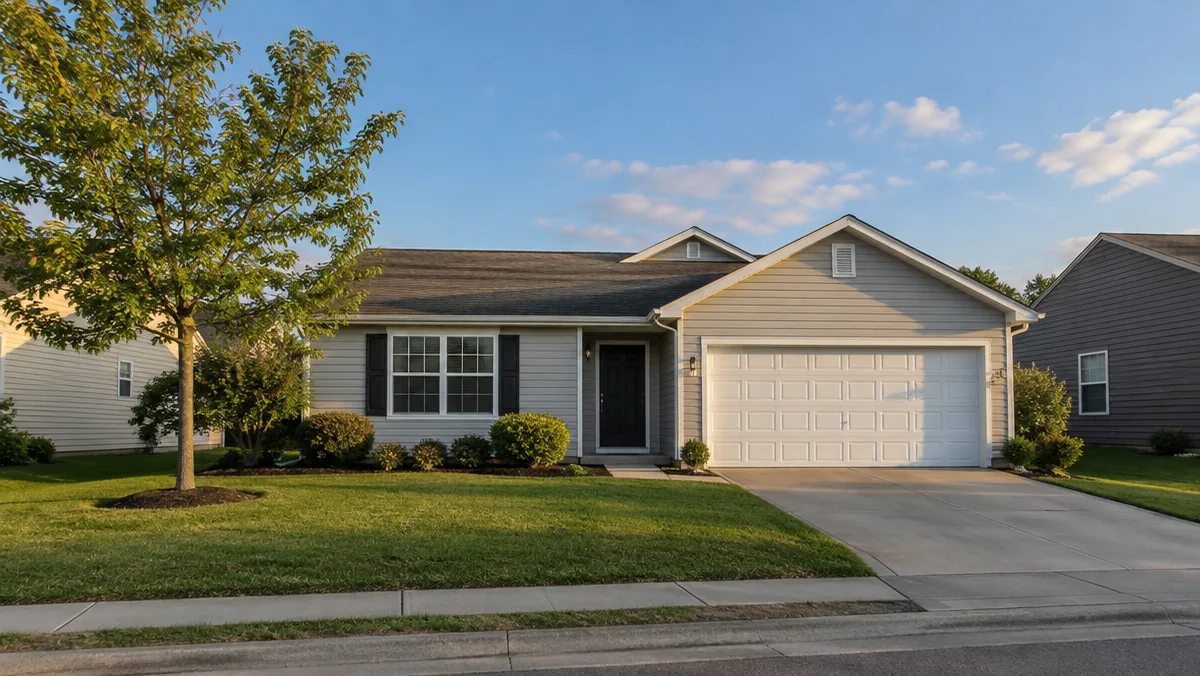
A pocket listing is a property that's marketed privately to a small group of potential buyers rather than being published on the MLS for widespread public exposure. Sellers choose this route for reasons like privacy, avoiding public showings, or wanting to test the market quietly before committing to a full public listing. The obvious tradeoff is a smaller pool of interested buyers, which can sometimes translate into a lower final sale price than open-market exposure would have produced through competitive bidding. This option tends to appeal to sellers going through sensitive personal situations, such as a divorce, or those who simply value discretion over maximum exposure. Because fewer buyers see the property, pocket listings can also take longer to sell unless the seller's network or agent has strong direct buyer relationships. Weighing the value of privacy against the potential for a lower price and longer timeline is the central decision with this strategy.
Real seller example
Going through a difficult divorce, the Alvarez family wants to sell their house quietly without neighbors or coworkers noticing a yard sign or an MLS listing appearing online. They talk with their agent about the tradeoffs, understanding that fewer eyes on the home could mean a slightly lower price. Their agent arranges a pocket listing, showing the home only to a handful of pre-screened, serious buyers over a two-week period, scheduling private walkthroughs instead of open houses. One of those buyers, already pre-approved and familiar with the neighborhood, moves quickly with a solid offer. They accept an offer slightly below what a fully public listing might have brought, but they avoid the public attention that came with their situation, which mattered more to them than squeezing out every last dollar.
Frequently asked questions
Yes, a pocket listing or a direct cash sale can both be handled without a yard sign, an MLS entry, or public open houses drawing attention to the sale.
Often somewhat less, since fewer buyers are competing for the property, but many sellers accept that tradeoff in exchange for discretion and a faster, quieter process.
Common reasons include privacy during a divorce or job change, wanting to avoid public price-history records, or testing a price quietly before a full public launch.
No, a pocket listing still typically involves an agent marketing to a limited buyer pool, while a direct cash sale usually involves no agent or marketing at all.
It varies, but pocket listings can take longer than MLS listings unless the agent has strong relationships with buyers actively looking in that price range and area.
Yes, sellers often start with a quiet pocket listing and move to a full public MLS listing later if privacy becomes less important than finding a buyer quickly.