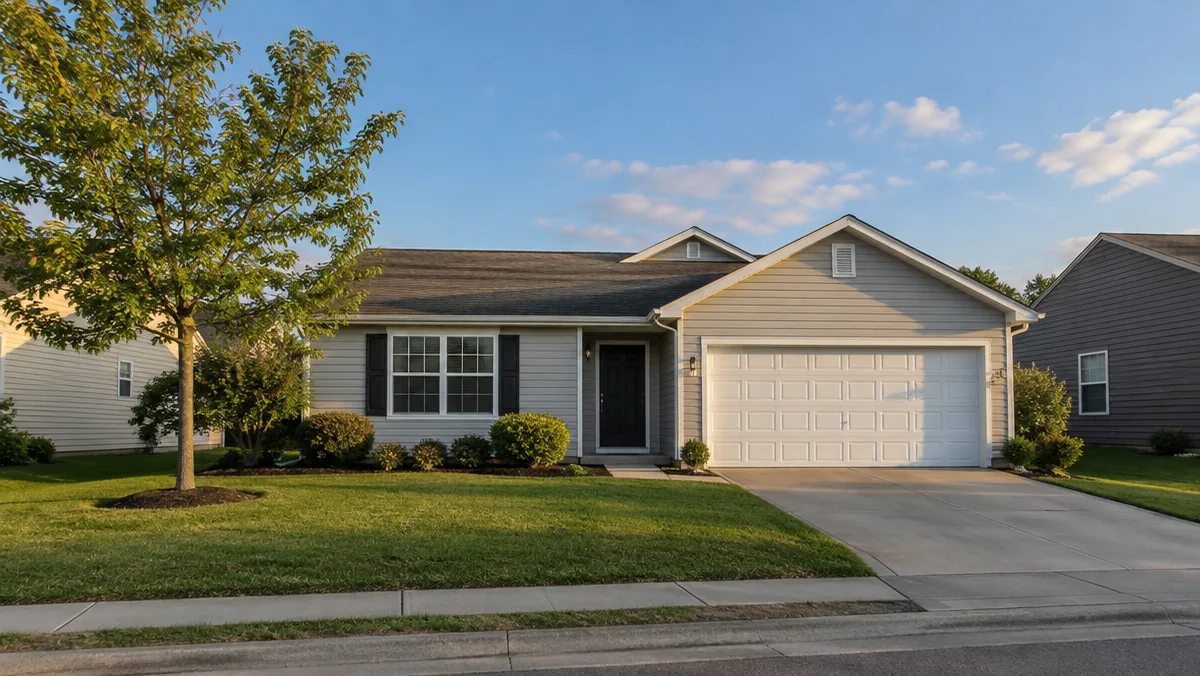

Definition
A tenant-occupied property is a home with renters living in it at the time it's sold. Existing leases generally survive the sale, which means the new buyer inherits the tenant, the remaining lease terms, and the security deposit already on file. Showings and inspections require advance notice and the tenant's cooperation, which can complicate a traditional listing if the tenant is uncooperative or the home is hard to access. That's why these properties often sell more smoothly to buyers who don't require repeated showings or an empty house to close. For landlords who want out without disrupting their tenant's housing, this kind of sale keeps everyone's situation stable through the transition. A lease survives the sale. When you sell a tenanted property, the buyer generally takes it subject to the existing lease and steps into your position as landlord, which means the lease terms, the rent and the security deposits transfer rather than terminate — and the security deposits must be accounted for and credited at closing.
Real seller example
With nine months left on her tenant's lease and no willingness to accommodate weekend showings, Karen Michaels knew a traditional listing would be nearly impossible to market properly. Every agent she spoke with said buyers wanted to walk through an empty house, not one with someone else's furniture and a reluctant tenant answering the door, and a couple of agents even suggested waiting until the lease ended before listing at all, nearly a year away. Karen didn't want to hold onto a rental she was ready to be done with for that long. Instead, she found a cash buyer who was happy to purchase the property with the lease and rental income intact, which meant her tenant never had to worry about being displaced mid-lease or dealing with strangers walking through the home every weekend. The buyer only needed a single walkthrough and copies of the lease and security deposit records to finalize their offer. She sold her rental to that buyer, the tenant never had to move, and Karen was able to close without a single open house, wrapping up the sale in under three weeks. Karen said knowing her tenant's housing stayed stable through the sale made the whole decision easier emotionally, not just financially. Access is the other practical constraint. Tenants have a right to notice before showings under state law, so a tenanted house is harder to market conventionally and easier to sell to a buyer who does not need repeated access or a vacant walkthrough.
Frequently asked questions
No, leases typically transfer along with the property, and many buyers actually want the rental income to continue. Ending a lease early isn't usually necessary or advisable.
It's generally transferred to the buyer at closing as a credit on the settlement statement, and the tenant is formally notified of the ownership change. This keeps the deposit properly accounted for under state law.
Yes, selling to a buyer who doesn't require multiple showings, such as a direct cash buyer, sidesteps that issue entirely. A single walkthrough is often all that's needed.
Generally no, since the lease terms remain enforceable against the new owner just as they were against you. Tenants typically keep the same rights and protections through a change in ownership.
Most states require landlords to provide some notice before showings or a change in ownership, even if the lease itself continues unaffected. Check your state's specific landlord-tenant notice requirements to stay compliant.
Generally not while a valid lease is still in effect, since existing leases typically bind the new owner just as they bound you. Some buyers may negotiate this differently if the lease is close to ending, but that should be spelled out in the purchase agreement.
Rent is usually prorated between the seller and buyer based on the closing date, similar to how property taxes are prorated. Your title company or closing agent will typically calculate this on the settlement statement.
Generally yes, since a reliable, cooperative tenant makes access and paperwork much simpler for both the seller and buyer. A difficult tenant situation is actually one of the most common reasons landlords choose a direct cash sale over a traditional listing.
Yes. The buyer generally takes the property subject to the existing lease and becomes the new landlord, so the tenancy continues under its current terms.
They are typically transferred to the buyer as a credit on the settlement statement, and the buyer assumes the obligation to return them. State law usually requires notifying the tenant who holds the deposit.
In nearly every state, yes, with the required notice period set by state law. That limits access and is a common reason tenanted properties sell off-market to investor buyers.