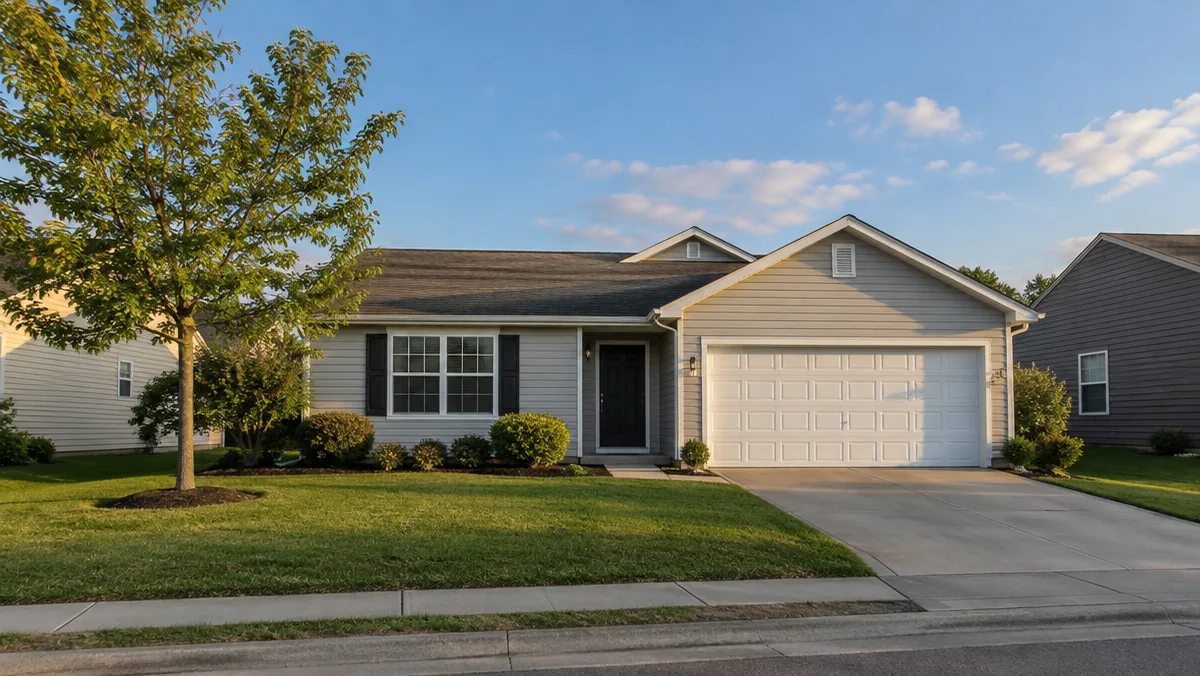

Definition
Zoning is the set of local government rules that dictates how a piece of land can legally be used — as single-family, multi-family, commercial, or mixed-use — along with restrictions on setbacks, building height, and density. It directly affects a property's value, what a future buyer is legally allowed to do with it, and whether the current use of the property is even permitted anymore. Some older homes are considered "legal non-conforming," meaning they're allowed to remain as they are but couldn't be rebuilt exactly the same way if destroyed. For a homeowner selling, knowing your property's zoning classification helps you understand who your realistic buyers are and whether the land itself carries extra value beyond the structure sitting on it.
Real seller example
Priya's duplex sits in a neighborhood that was rezoned years ago to allow only single-family homes going forward. She wasn't aware of the change until she started looking into selling and asked her agent to pull the zoning history from the city planning department. Her duplex turned out to be grandfathered in and can keep operating as-is under its current use, which reassured potential buyers looking for rental income. However, she learned that if it were ever destroyed by fire, rebuilding it as two units would require a formal variance from the city rather than automatic approval. She disclosed the non-conforming status clearly to every interested buyer so there would be no surprises later in the process. Ultimately she sold to an investor buyer who understood exactly what the grandfathered status meant and was comfortable with the risk.
Frequently asked questions
Check your city or county planning department's zoning map online, or ask your local title company to confirm the classification during a sale.
It can, meaningfully. Land that allows for more units or a wider range of uses often carries a premium beyond the value of just the existing structure sitting on it.
It means the current use is allowed to continue even though it no longer matches today's zoning rules, but rebuilding after major damage may require special approval from the city.
Many states require disclosure of known zoning violations or non-conforming status, so it's worth confirming your property's classification before you list it for sale.
Yes, cities periodically update zoning maps, and while existing structures are often grandfathered in, future rebuilding or expansion rights can be affected by later changes.
It can still matter, since even cash buyers evaluate what they can legally do with a property, though many investors are comfortable working within existing non-conforming uses.