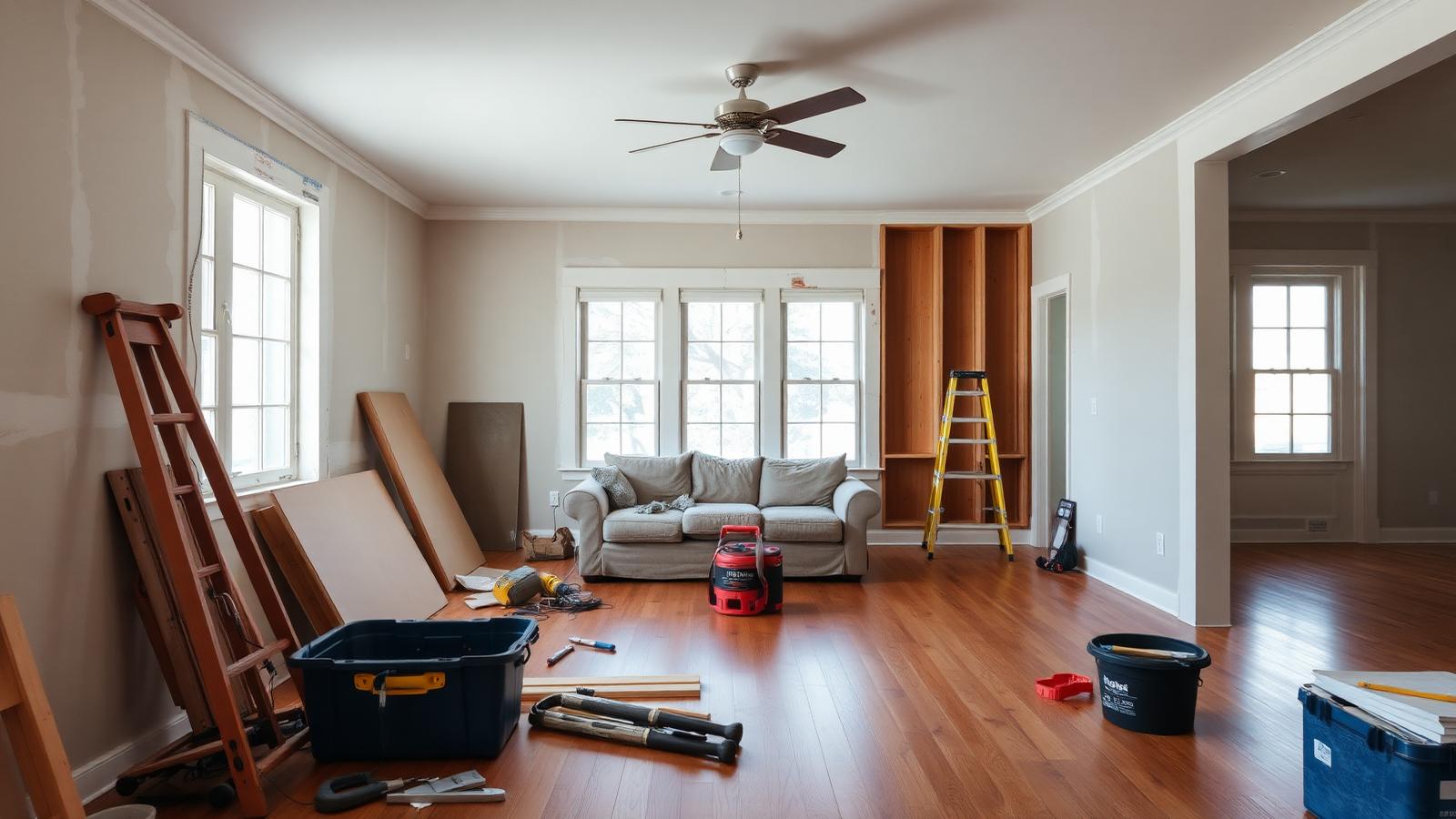
BRRR (Buy, Rehab, Rent, Refinance, Repeat) is one of the most powerful wealth-building strategies in real estate. It allows investors to recycle their capital while accumulating income-producing assets. Here's how to execute it successfully.
What Is BRRR?
BRRR is an investment strategy that combines:
- Value-add renovation
- Rental income
- Equity capture through refinancing
- Portfolio growth through capital recycling
The Five Steps Explained
Step 1: Buy (Below Market Value)
Target acquisition price: 60-75% of After Repair Value
Where to find deals:
- Off-market through networks like SilverCrest Estates
- Foreclosures and auctions
- Estate sales
- Direct marketing
- Networking with agents
Key criteria:
- Purchase well below ARV
- Rehab costs are reasonable
- Location supports strong rents
- Neighborhood is stable or improving
Step 2: Rehab (Force Appreciation)
Focus on:
- Functional improvements (not luxury)
- Rent-maximizing updates
- Durability for rentals
- Code compliance
Typical renovations:
- Updated kitchen and baths
- New flooring
- Fresh paint
- Updated fixtures
- HVAC and roof as needed
Budget considerations:
- All-in cost should be 75-80% of ARV
- Include purchase + rehab + holding costs
- Always add 15-20% contingency
Step 3: Rent (Stabilize Income)
Find quality tenants:
- Thorough screening process
- Credit and background checks
- Income verification (3x rent)
- References from prior landlords
Set appropriate rent:
- Research comparable rentals
- Factor in your renovation quality
- Don't over-price (vacancies kill returns)
Stabilization period:
- Most lenders want 6-12 months
- Consistent rent collection
- No major issues
Step 4: Refinance (Extract Capital)
The cash-out refinance:
- Property appraised at new, higher value
- New loan at 70-80% of appraised value
- Pay off initial purchase financing
- Keep remaining funds
Lender options:
- Portfolio lenders
- Credit unions
- DSCR lenders (debt service coverage ratio)
- Traditional banks (harder for investors)
Example numbers:
| Factor | Amount |
|---|---|
| Purchase price | $100,000 |
| Rehab cost | $40,000 |
| All-in investment | $140,000 |
| After Repair Value | $200,000 |
| 75% LTV refinance | $150,000 |
| Capital returned | $150,000 |
| Profit + property retained | $10,000 cash + $50,000 equity |
Step 5: Repeat (Scale Your Portfolio)
Use returned capital to:
- Purchase next property
- Build portfolio systematically
- Never run out of capital
- Compound wealth over time
Why BRRR Works
Infinite Returns Possible
When you recover 100% of invested capital:
- Your ROI is technically infinite
- You own the property for "free"
- All cash flow is pure profit
Forced Appreciation
By adding value:
- Create equity immediately
- Don't wait for market appreciation
- Control your outcome
Tax Advantages
BRRR properties enjoy:
- Depreciation deductions
- Mortgage interest deductions
- Expense write-offs
- Capital gains deferral
Wealth Building
Over time:
- Tenants pay down your mortgage
- Properties appreciate
- Cash flow compounds
- Equity grows
BRRR (Buy, Rehab, Rent, Refinance, Repeat) is one of the most powerful wealth-building strategies in real estate.
Real-World BRRR Example
The Property
- Distressed 3BR/2BA in solid rental area
- Listed: $110,000
- Condition: Needs full cosmetic rehab
The Numbers
| Item | Amount |
|---|---|
| Purchase price | $95,000 |
| Closing costs | $3,000 |
| Rehab budget | $35,000 |
| Holding costs (4 months) | $4,000 |
| Total investment | $137,000 |
Post-Rehab
| Item | Amount |
|---|---|
| After Repair Value (ARV) | $180,000 |
| Monthly rent | $1,600 |
| Stabilization period | 6 months |
The Refinance
| Item | Amount |
|---|---|
| Appraised value | $180,000 |
| 75% LTV loan | $135,000 |
| Capital returned | $135,000 |
| Cash left in deal | $2,000 |
| Equity captured | $45,000 |
Monthly Cash Flow
| Income/Expense | Amount |
|---|---|
| Rent collected | $1,600 |
| Mortgage payment | -$850 |
| Taxes/insurance | -$250 |
| Maintenance reserve | -$160 |
| Property management | -$160 |
| Net cash flow | $180/month |
Total Return
- $45,000 equity position
- $2,160 annual cash flow
- $2,000 capital invested
- ROI: 108% in year one (plus equity)
Keys to Successful BRRR
1. Buy Right
The deal is made at purchase:
- Disciplined analysis
- Conservative ARV estimates
- Accurate rehab budgets
- Walk away from thin deals
2. Control Rehab Costs
Stay on budget:
- Detailed scope before starting
- Reliable contractors
- Weekly check-ins
- Change order control
3. Maximize Rents
Higher rents = higher appraisal:
- Quality finishes tenants want
- Good photography for listings
- Competitive pricing
- Professional management
4. Plan Refinancing Early
Before you buy:
- Have lender relationships
- Understand their requirements
- Know seasoning periods
- Plan for 6-12 month timeline
5. Build Systems
For scaling:
- Reliable contractor teams
- Property management (or systems)
- Deal analysis spreadsheets
- Financing relationships
Common BRRR Mistakes
Overpaying for Properties
No room for error if you pay too much.
Underestimating Rehab
Always add contingency. Always.
Over-Improving
Rental-grade finishes, not flip-grade luxury.
Not Understanding Refinance Requirements
Know what your lender needs before you start.
Ignoring Holding Costs
Every month of delay costs money.
Poor Tenant Screening
A bad tenant destroys returns.
Finding BRRR Properties
Best Sources
- Investment property networks - Local investor groups and deal-sharing networks
- Off-market deals - Direct to sellers
- Foreclosure lists - Bank-owned properties
- Estate sales - Inherited properties
- Networking - Other investors, agents
What to Look For
- Below-market pricing
- Cosmetic distress (not structural)
- Strong rental neighborhoods
- Room for forced appreciation
- Good school districts (for families)
Bottom Line
BRRR is one of the most efficient strategies for building a rental portfolio. By recycling capital and forcing appreciation, you can grow wealth systematically without needing endless capital.
The key is finding the right properties at the right price, and being honest about rehab budgets and refinance assumptions before you commit.
Own a property you'd rather sell than rehab? SilverCrest Estates buys homes directly for cash — get a no-obligation cash offer.
Frequently asked questions
What expenses should a rental analysis include?
Beyond principal and interest: property taxes, insurance, vacancy allowance, repairs and maintenance, capital-expenditure reserves, management, and any HOA dues. Deals that look strong on paper usually fail because reserves and vacancy were left out. Census vacancy data is a reasonable free source for the local vacancy assumption.
How is rental income taxed?
Rent is ordinary income, offset by operating expenses, mortgage interest, and depreciation on the building's value. Depreciation is later recaptured when you sell, which surprises owners at exit. IRS Publication 527 covers the treatment in detail; a CPA should model the recapture before you decide to sell or exchange.
When does it make sense to sell a rental instead of holding?
When the equity has grown faster than the cash flow, when major capital expenses are coming due, when the tenant profile or neighborhood has shifted, or when the property has simply become the reason you dislike owning rentals. Compare your return on current equity to what that capital could earn redeployed.
Can I sell a house with tenants still living in it?
Yes. In most states an existing lease survives the sale — the buyer becomes the new landlord and inherits the terms. Month-to-month tenancies can usually be ended with statutory notice, while fixed-term leases generally can't be cut short just because ownership changed. Investors often prefer occupied properties because income starts immediately.
Sources & further reading
Primary sources we consulted for this article. Rules vary by state and change over time — always confirm against the original source.
- 1Publication 527: Residential Rental Property
Internal Revenue Service
How rental income, depreciation, and deductible expenses are treated for tax purposes.
- 2Housing Vacancies and Homeownership (CPS/HVS)
U.S. Census Bureau
Official vacancy, rental, and homeownership-rate data used to gauge local demand.
- 3Consumer Price Index — shelter and housing costs
U.S. Bureau of Labor Statistics
Federal measurement of housing-cost inflation, useful for rent and hold assumptions.

About the author
David Park
Investment Portfolio Manager
David Park works with the SilverCrest Estates acquisitions team, helping homeowners across 50+ US markets understand their options and close on their own timeline.
Disclaimer: This article is for general information only and is not legal, tax, or financial advice. Real estate rules vary by state and change over time. Consult a licensed attorney, tax professional, or financial advisor about your specific situation before acting.