Quick answer: If a house needs major repairs, you can fix it up first for a higher list price, or sell it as-is for cash to a direct buyer like SilverCrest Estates — which buys homes needing significant work in any condition, with no repairs, no financing, and a close in as little as 21 days.
As-is vs. fix-up: decision table
| If… | Lean toward |
|---|---|
| Repairs under ~$5,000 and you have time | Fix up and list |
| Repairs over ~$20,000 or unknown scope | Sell as-is |
| You'd need a loan to pay for repairs | Sell as-is |
| Updated homes sell fast in your area | Fix up and list |
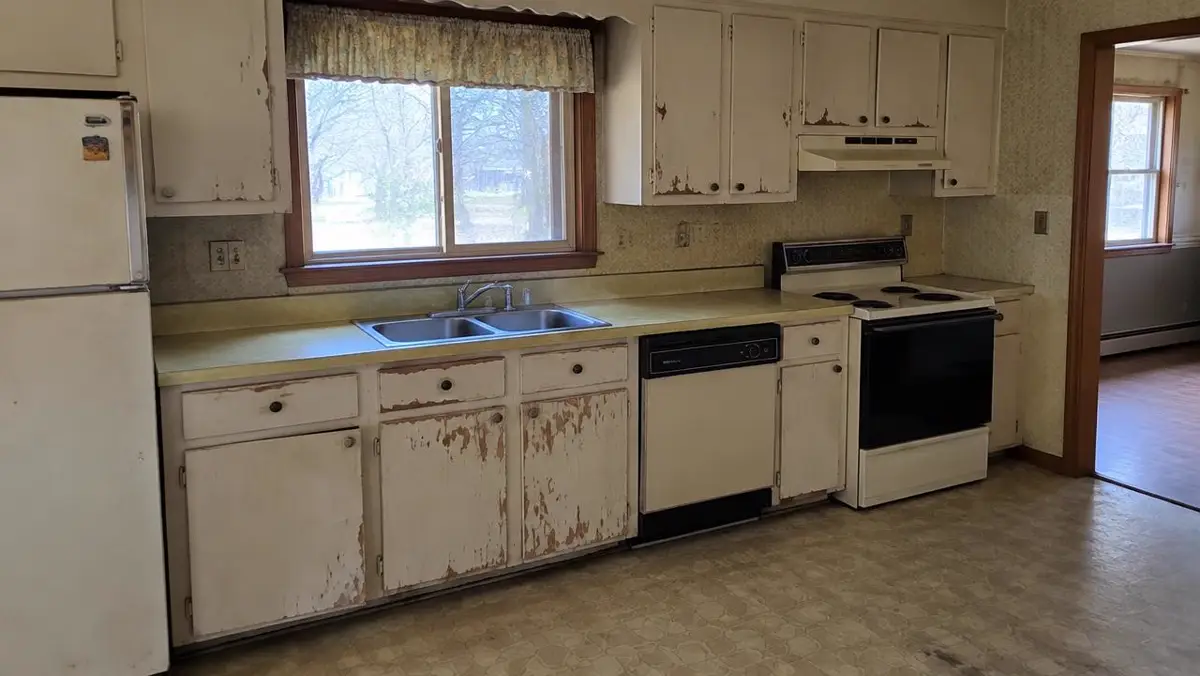
If your house needs work, you've probably heard both pieces of advice: "you'll never sell it like that" and "don't waste money fixing it up." Both can be true. Which one applies to you depends on what the repairs actually cost, how long they'll take, and whether you have the cash and the patience to see them through.
This guide is for homeowners deciding whether to repair before selling or sell a house that needs work exactly as it sits.
The Only Comparison That Matters: Net, Not List Price
Homeowners routinely compare the wrong two numbers — the price a renovated neighbor's house listed for versus a cash offer on their unrenovated house. Those aren't comparable.
The honest comparison is what lands in your bank account:
Listing path net = sale price − repairs − commissions − closing costs − months of mortgage, taxes, insurance and utilities − any price reduction you take along the way.
As-is cash path net = the offer, with no fees, no commissions, and no repair credits deducted.
A Worked Example
A house that would be worth $350,000 fully updated but currently needs a roof, HVAC, and a dated kitchen:
| Listing path | Amount |
|---|---|
| Renovated sale price | $350,000 |
| Repairs (roof, HVAC, kitchen) | −$55,000 |
| Agent commissions (~5.5%) | −$19,250 |
| Seller closing costs (~1.5%) | −$5,250 |
| 5 months of carrying costs | −$9,000 |
| Net to you | ≈ $261,500 |
That's before anything goes wrong — and something usually does. If the roof bid comes in high, the contractor slips three weeks, or the appraisal comes in under contract price, the number moves down, not up.
A direct cash offer on the same house is a single number with nothing deducted from it. Sometimes it's lower than that net. Sometimes it isn't. You should run both.
When Repairs Are Worth It
Fixing first tends to win when all of these are true:
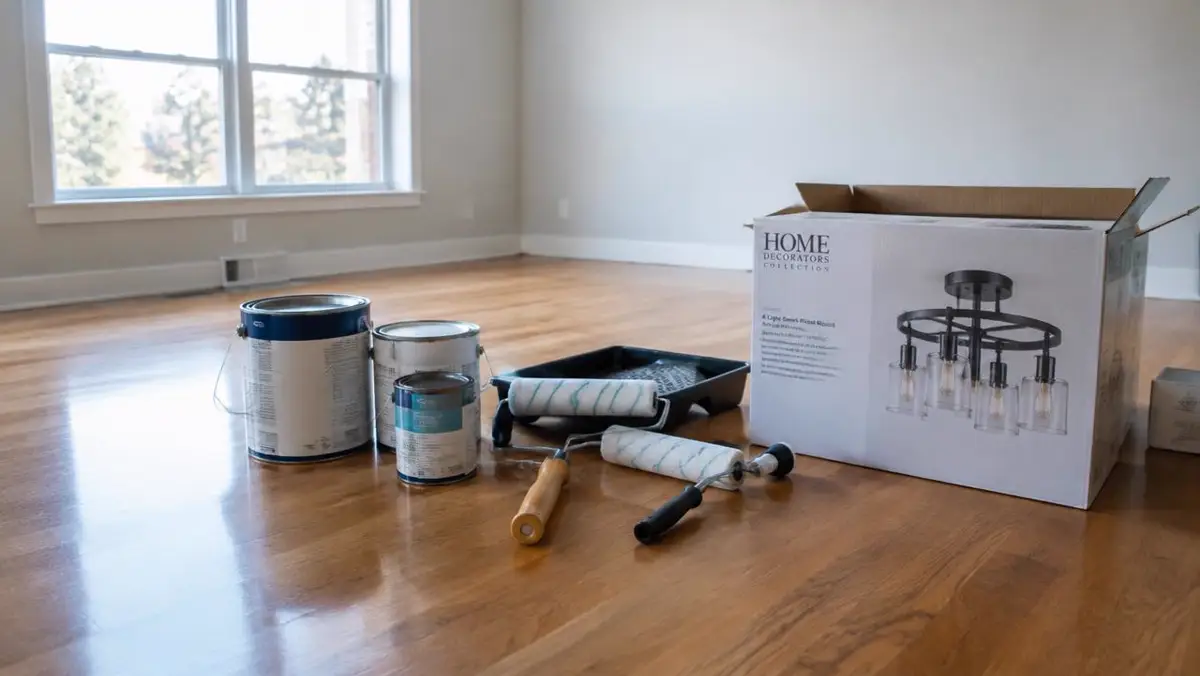
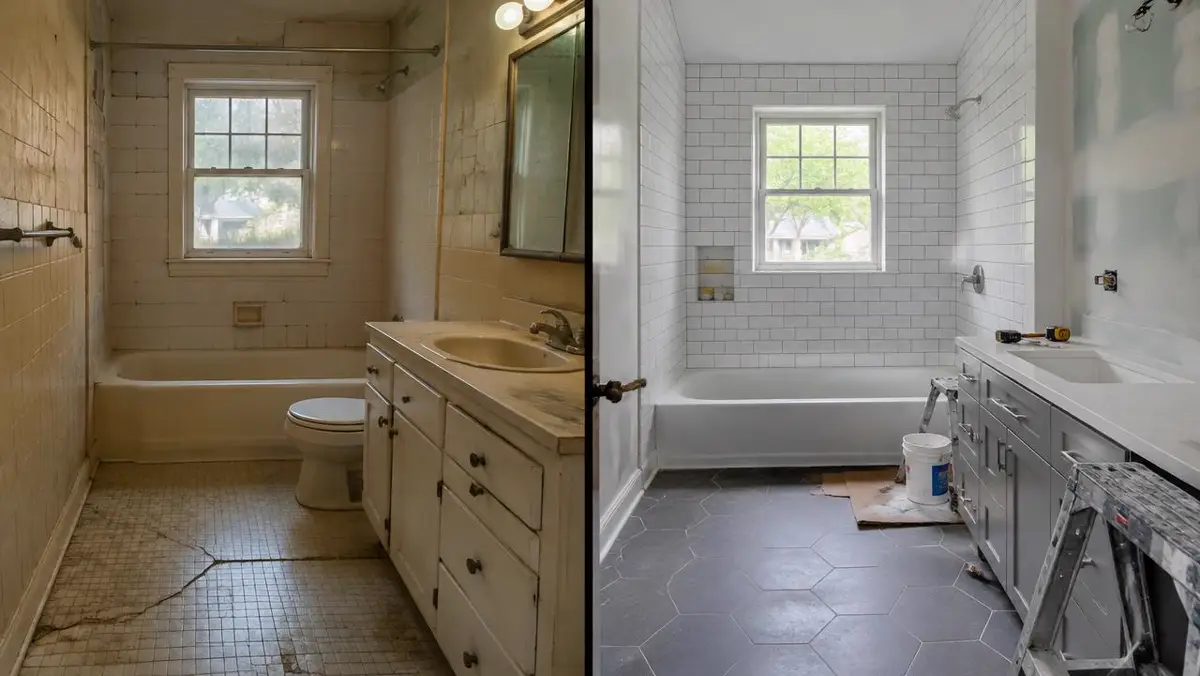
- The work is cosmetic. Paint, flooring, fixtures, landscaping, and cleaning are cheap relative to what they add.
- You can pay cash for it. Borrowing against a house you're about to sell eats the upside.
- You have the time. A 6–10 week renovation plus a 30–60 day listing and escrow is a realistic three-to-five month commitment.
- The house is otherwise sound. No structural, roof, sewer, or major system problems waiting behind the drywall.
- Comparable renovated homes are actually selling in your neighborhood right now — not just listed.
If you're in that lane, prioritize the cheap and visible: fresh neutral paint, clean flooring, working fixtures, a tidy yard, and anything that leaks, sticks, or looks unsafe on an inspection report.
Which one applies to you depends on what the repairs actually cost, how long they'll take, and whether you have the cash and the patience to see them through.
When Selling As-Is Wins
Selling as-is means you make no repairs and offer no repair credits — the buyer takes the property in its current condition. It usually wins when:
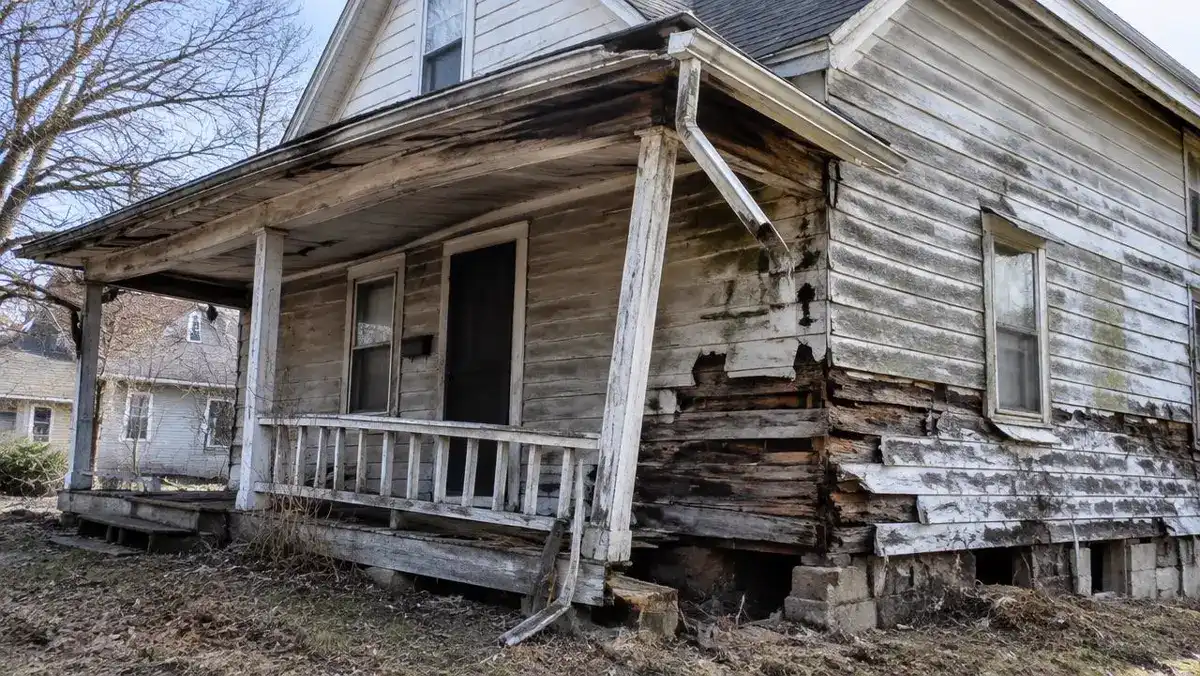
The repairs are structural or system-level
Roof, foundation, sewer line, electrical panel, or a full HVAC replacement rarely returns its full cost at resale, and each one can add weeks of scheduling and permitting. Worse, these are the exact items an appraiser flags — which means a buyer using conventional financing often can't close on the house at all until the work is done. That narrows your buyer pool to cash.
You don't have money for repairs
This is the most common reason, and there's nothing wrong with it. Contractors want deposits, materials get paid for up front, and a renovation loan on a house you're selling is an expensive way to fund someone else's kitchen.
You're on a foreclosure timeline
When there's a sale date on the calendar, a renovation is not a plan. A cash close in as little as 21 days is. If you're behind on payments, the priority is a certain closing date before the auction — not maximizing the last few thousand dollars of sale price.
You inherited the property
Inherited homes are often decades behind on maintenance, full of belongings, and owned by several siblings who live in different states. Coordinating a renovation across heirs is slow and expensive. Most families in this position want a clean sale, one closing date, and proceeds to divide.
The house is vacant or distressed
Every month a vacant house sits, it costs you insurance (usually at a higher vacant-property rate), utilities, taxes, and risk of vandalism or pipe damage. Vacancy is a clock, and it argues for speed.
You live out of state
Managing contractors from a thousand miles away is a part-time job. Remote sellers usually net more from a fast as-is sale than from a renovation they can't personally supervise.
What a Cash Buyer Actually Pays for an As-Is Home
A direct cash offer isn't a random lowball. It's built backwards from what the house is worth once it's fixed:
- Start with the after-repair value — what the home sells for renovated, based on recent comparable sales nearby.
- Subtract the repair budget — the real cost to bring it to that condition, from contractor pricing, not a guess.
- Subtract holding and transaction costs — insurance, taxes, utilities, title and closing costs on both ends while the work happens.
- Subtract a margin for the risk of taking on a house sight-unseen behind the walls.
What's left is the offer. That's why a bigger repair list means a lower number — and also why an accurate condition assessment is in your interest. If a buyer's repair estimate looks inflated, ask them to show you how they got there.
What a cash offer does not include: agent commissions, seller closing costs, repair credits, inspection renegotiations, or a financing contingency that can collapse three weeks in.
Repair Costs vs. Offer Tradeoffs
Some rough guidance on how spending maps to sale outcomes:
| Work | Typical cost | Effect on a traditional sale |
|---|---|---|
| Paint, cleaning, landscaping | $2K–$8K | Usually returns more than it costs |
| Flooring and fixtures | $5K–$15K | Often worth it if the rest is sound |
| Roof replacement | $10K–$25K | Rarely returns full cost; may be required to close |
| HVAC replacement | $6K–$14K | Rarely returns full cost; may be required to close |
| Kitchen remodel | $20K–$50K | Returns a fraction; long timeline |
| Foundation or sewer work | $8K–$40K+ | Almost never returns cost; buyer pool shrinks without it |
Read that table as a sorting rule, not gospel: cheap and cosmetic → consider doing it. Expensive and structural → strongly consider selling as-is.
Questions to Ask Yourself Before Deciding
- Can I pay for the repairs without borrowing?
- Do I have three to five months, honestly?
- Is there a deadline — foreclosure, probate, a job start date, a divorce decree?
- Am I emotionally prepared for contractors, showings, and inspection renegotiation?
- What's my net in each scenario, not my list price?
If the answers point toward speed and certainty, as-is is likely your answer. If they point toward time and available cash, fixing first may net you more.
How a Direct As-Is Sale Works
There's no listing, no showings, and no repairs. You share the address and basic details, the buyer assesses condition and comparable sales, and you get a number. If you accept, title work starts and you pick the closing date — as soon as about a week, or later if you need time to move.
At SilverCrest Estates we buy homes directly for cash, in any condition, and we don't deduct commissions or fees from the offer. We'll also tell you plainly when we think listing would net you more — that's a better outcome than a sale you regret.
When a cash sale may not be your best option
If the repairs are small (paint, fixtures, a minor roof patch) and you have the cash and time to finish them, fixing up and listing can return more than the repair cost. That's also true when the house is in a neighborhood where updated homes sell quickly at a premium. A cash, as-is sale makes the most sense when repairs are large, uncertain, or you'd have to borrow for them. Compare an as-is cash offer with listing using real contractor bids — not guesses — before you decide.
Related questions sellers ask next
Once you've weighed fixing against selling as-is, these guides answer the follow-ups: how much you actually lose selling as-is, what not to fix before selling, and selling a house that needs major repairs.
The Bottom Line
Repairing before selling is a real strategy when the work is cosmetic, funded, and you have time. Selling as-is is a real strategy when the work is major, the money isn't there, or the clock is. Neither one is the "smart" choice in the abstract — the smart choice is whichever one leaves more money in your pocket after everything is paid.
Run both numbers before you spend a dollar on repairs.
Want the as-is number so you can compare? Get a no-obligation cash offer — it takes about two minutes and costs nothing.
Related Guides
- Can I Sell My House As-Is Without Repairs?
- Can You Sell a House With Foundation Problems?
- What Is a Fair Cash Offer for My House?
- Glossary: as-is
Weighing a cash sale? See what your home is worth — free and no obligation.
Frequently asked questions
Should I repair my house before selling it?
It depends on what the repair costs and what it adds to the sale price. Cosmetic work — paint, landscaping, deep cleaning, minor fixes — usually returns more than it costs on a traditional listing. Big-ticket systems like roof, foundation, sewer, and full kitchen remodels rarely return their full cost and can add months to your timeline, which is why many owners sell those homes as-is instead.
Can I sell my house as-is if it needs major work?
Yes. Selling as-is simply means you're not making repairs or offering repair credits, and the buyer accepts the property in its current condition. Financed buyers often can't close on a home with active roof, structural, or safety issues because the lender's appraisal flags them, so as-is homes usually sell to cash buyers. SilverCrest buys directly for cash and prices the condition into the offer.
How much less do you get selling a house as-is?
A cash as-is offer is typically below what a fully renovated version of the same house would list for, because the buyer takes on the repair budget, the holding time, and the risk of what's behind the walls. The honest comparison isn't list price versus offer — it's your net after repairs, commissions, closing costs, and months of carrying the house versus a clean cash number with no fees deducted.
What repairs are worth doing before selling a fixer-upper?
If you're listing, prioritize anything cheap and visible: paint, fixtures, flooring patches, yard cleanup, and fixing anything that leaks or sticks. Skip discretionary remodels. If the house needs a new roof, foundation work, or a full systems replacement and you don't have the cash or time to fund it, that's usually the point where selling as-is nets you more than borrowing to renovate.
Sources & further reading
Primary sources we consulted for this article. Rules vary by state and change over time — always confirm against the original source.
- 1Buying a home: repairs, inspections and closing costs
Consumer Financial Protection Bureau
Plain-language explanation of inspections, appraisals, and the costs attached to a financed sale.
- 2Home improvement and energy-savings guidance
U.S. Department of Energy
Which upgrades actually reduce operating costs, useful when weighing pre-sale repairs.
- 3Selling Guide: eligible property and sale types
Fannie Mae
The property-condition standards a financed buyer must meet, which is why some as-is homes can only sell for cash.

About the author
David Park
Investment Portfolio Manager
David Park works with the SilverCrest Estates acquisitions team, helping homeowners across 50+ US markets understand their options and close on their own timeline.
Disclaimer: This article is for general information only and is not legal, tax, or financial advice. Real estate rules vary by state and change over time. Consult a licensed attorney, tax professional, or financial advisor about your specific situation before acting.