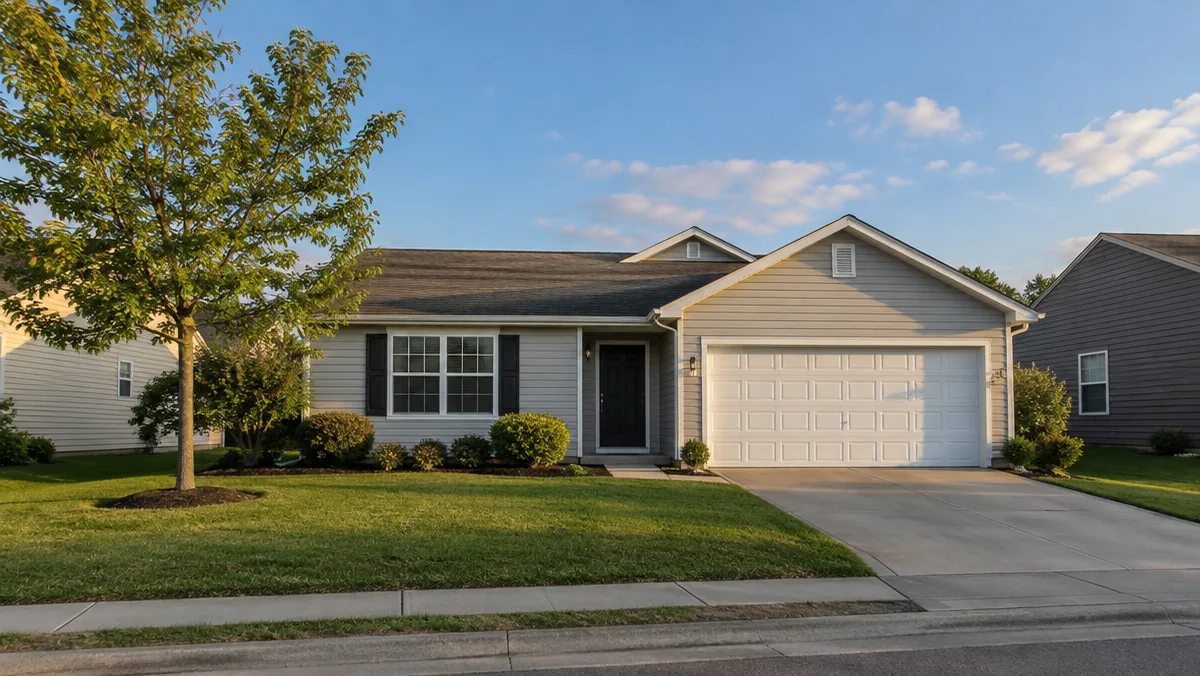

Definition
Appreciation is the increase in a property's value over time, driven by factors like rising demand, limited housing supply, local income growth, and general inflation. It doesn't happen evenly — some years bring strong gains, while others are flat or even slightly negative. For a homeowner, appreciation is often the quiet reason you have far more equity than you realize, especially if you've owned the property for a decade or more. It matters most at the moment you sell, because it directly affects how much cash you walk away with after paying off your mortgage and closing costs. Appreciation isn't guaranteed, though, and betting on future gains before selling can backfire if the market cools or your area sees a downturn. Knowing your home's realistic current value, rather than assuming it always goes up, helps you make a clear-eyed decision about timing.
Real seller example
Tom bought his house for $165,000 back in 2013 and assumed it was still worth roughly that when he started thinking about selling. A quick look at recent neighborhood sales showed comparable homes now trading around $305,000, meaning appreciation alone had added about $140,000 in value on top of whatever he'd paid down on the loan. That discovery changed his plans, since he suddenly had far more equity available to work with than he'd budgeted for. Instead of feeling stuck with a mortgage he thought he'd barely dented, Tom realized he could comfortably cover a down payment on a smaller retirement home with cash left over. He still double-checked the number with an agent's comparative market analysis before making any big decisions, since he knew a single online estimate could easily be off by tens of thousands of dollars in either direction.
Frequently asked questions
Nationally it has historically averaged low single digits annually, but local markets vary widely and can go flat or even decline during a downturn.
Only if holding the property is inexpensive and low-stress, since ongoing mortgage payments, taxes, insurance, and repairs can easily outweigh a modest expected gain.
Compare your original purchase price to recent sales of similar homes nearby, or ask an agent for a comparative market analysis to see current values.
No, appreciation can vary significantly block to block depending on local demand, school districts, new development, and overall condition of nearby homes.
Yes, during downturns, oversupply, or local economic setbacks, values can decline for a period before recovering, which is why appreciation should never be treated as guaranteed.
Not automatically — some upgrades add solid value while others cost more than they return, so it's worth researching which improvements actually pay off in your specific market.
Significant appreciation can increase your taxable capital gain, so it's worth talking to a tax professional about exemptions and thresholds well before you close.
Not exactly — equity is your ownership stake after subtracting what you owe, while appreciation is one of the forces, alongside your mortgage paydown, that grows that equity over time.