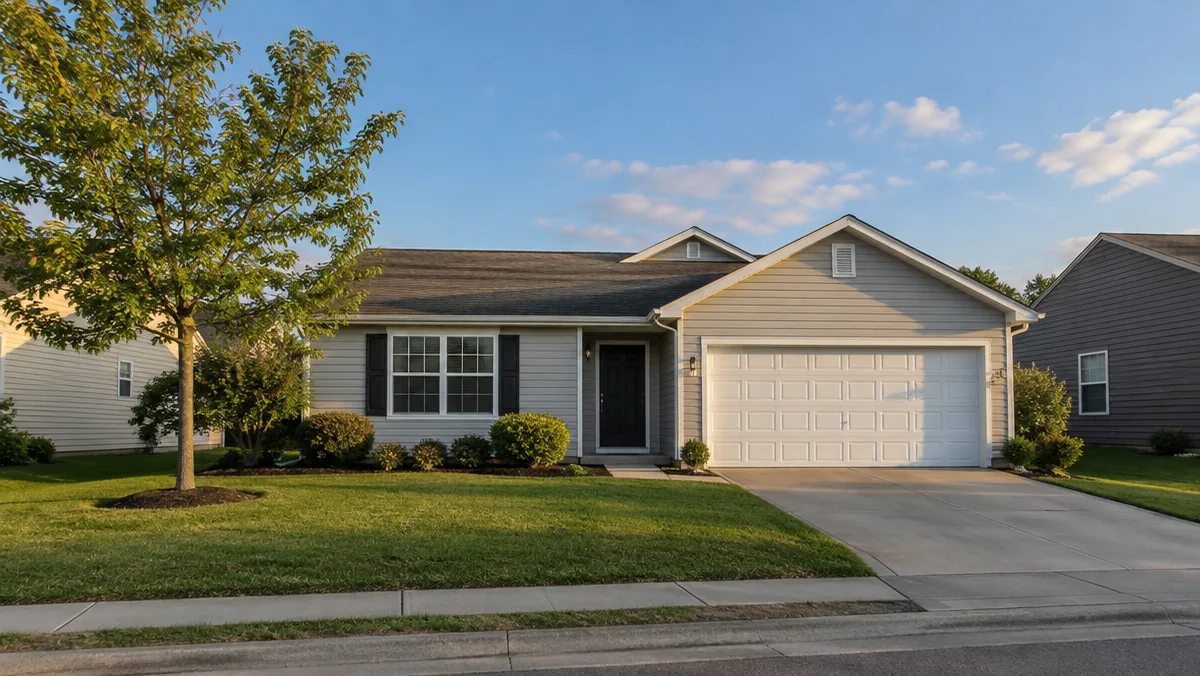

Definition
Selling a property "as-is" means it transfers to the buyer in its current state, with no repairs, credits, or improvements made by the seller beforehand. Buyers are free to inspect the home for their own knowledge, but they generally agree upfront not to ask the seller to fix anything they find. It's an important distinction that as-is limits repair obligations, not honesty — sellers still must disclose known material defects even in an as-is sale. This arrangement benefits sellers who don't have the time, money, or desire to fix up a property before listing it, since it removes the back-and-forth negotiation over repair requests that often happens in traditional sales. For buyers, an as-is sale usually comes with a lower price to compensate for the unknown or known condition issues they're accepting. Selling as-is directly to a cash buyer takes this a step further, since these buyers typically don't require any inspection contingencies or repair negotiations at all.
Real seller example
Nancy lists her home as-is because she knows about a foundation crack but doesn't have the money to repair it before selling. Buyers factor the known issue into their offers rather than asking Nancy to fix it before closing, and her listing agent makes sure the crack is clearly disclosed upfront to avoid surprises later. One buyer still hires an inspector to fully understand the extent of the crack, even though the as-is terms mean they can't request repairs afterward. The inspection turns up a second, smaller issue with the electrical panel, and that buyer ultimately backs out over financing concerns tied to the inspection report. Nancy ultimately accepts a cash offer that requires no inspection contingency at all, closing without any repair negotiations or financing-related delays. She says knowing upfront that nothing could derail the deal at the last minute was worth more to her than squeezing out a slightly higher price.
Frequently asked questions
No, buyers can still inspect the home for their own information even in an as-is sale. They simply can't use what they find to demand repairs or credits from the seller.
Yes, as-is only removes the repair obligation, not the disclosure obligation. You're still required to disclose known material defects to the buyer.
Not when selling directly to a cash buyer like SilverCrest, since you can leave behind furniture and belongings you don't want. This can save significant time and effort compared to a traditional listing.
Often the price reflects the property's condition, but you also avoid repair costs, contractor delays, and the risk of buyers backing out over inspection findings. For many sellers, the net result is comparable once those savings are factored in.
Yes, as-is selling only requires you to disclose defects you actually know about, not to guarantee there are no hidden issues. Buyers accept the risk of unknown conditions when they agree to an as-is purchase.
No, as-is simply describes the condition terms of the sale and can apply to any homeowner's property, not just bank-owned homes. Plenty of everyday sellers choose to sell as-is for reasons unrelated to financial distress.
Most cash buyers, including SilverCrest, purchase homes as-is as a standard part of how they operate. This means no repair requests, no contractor estimates, and no negotiating over inspection findings.