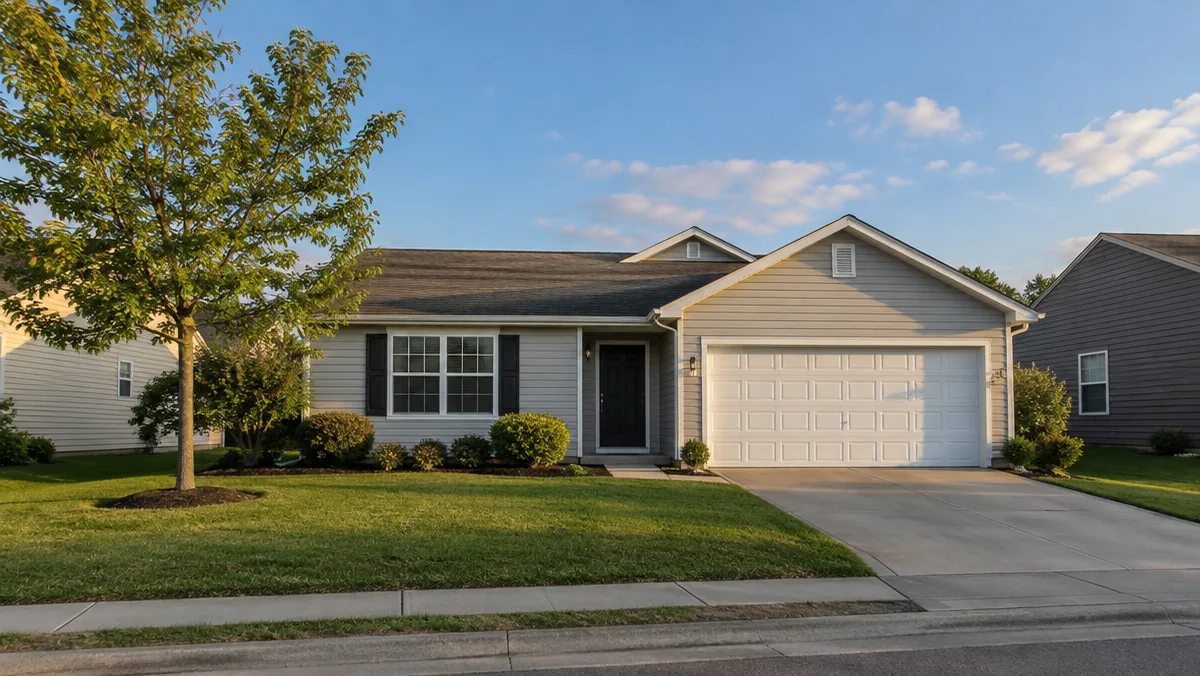

Definition
Selling your house as-is means the buyer agrees to take the property in its current condition, and you're not required to make any repairs before closing. This doesn't excuse you from your legal duty to disclose known problems with the home, but it does remove the entire back-and-forth negotiation over who pays for repairs after inspection. As-is is the standard structure used in most direct cash sales, especially for older homes, inherited properties, or houses with deferred maintenance. For sellers, it means you can leave unwanted items behind, skip cleaning out closets or garages, and avoid spending money on a home you're trying to leave. The tradeoff is typically a lower sale price than a fully repaired home would command on the open market, since the buyer is pricing in the cost and risk of fixing things themselves. Comparing the net proceeds of an as-is sale against a traditional listing, including repair costs and time, is the best way to see which route actually makes more financial sense.
Real seller example
Gary's house has a leaking roof, a dead water heater, and a garage full of decades of accumulated belongings that his family never got around to sorting through. Rather than spending months and thousands of dollars fixing everything before listing, he sells the house as-is, leaves the unwanted items behind, and the buyer handles all of it after closing. Gary still fills out the required disclosure form describing the known issues, including the roof leak and the water heater, since selling as-is doesn't remove that legal obligation. The buyer's inspector confirms those known problems during their walkthrough, and no new surprises come up that change the agreed price. Gary never lifts a hammer or hires a contractor, and he closes in under two weeks, relieved to be finished with a house that had become a source of stress rather than fighting through months of repair negotiations.
Frequently asked questions
The price does reflect the home's condition, but you also spend nothing on repairs, avoid months of work, and often skip commissions entirely in a direct sale, so it's worth comparing net proceeds rather than just the sale price.
Yes in most states; selling as-is limits your obligation to make repairs, but it does not remove your legal duty to disclose known material defects to the buyer.
Yes, as-is sales are especially common for homes with significant issues like foundation problems, fire damage, or years of deferred maintenance that would be costly to fix.
No, buyers can still inspect the property; as-is simply means they won't ask you to make repairs or issue credits based on what the inspection finds.
Usually yes, most cash buyers purchasing as-is expect to handle any leftover items themselves, though it's worth confirming this expectation in writing before closing.
No, even well-maintained homes can be sold as-is; it simply means the buyer agrees not to request repairs, regardless of how much or how little work the home actually needs.