
Definition
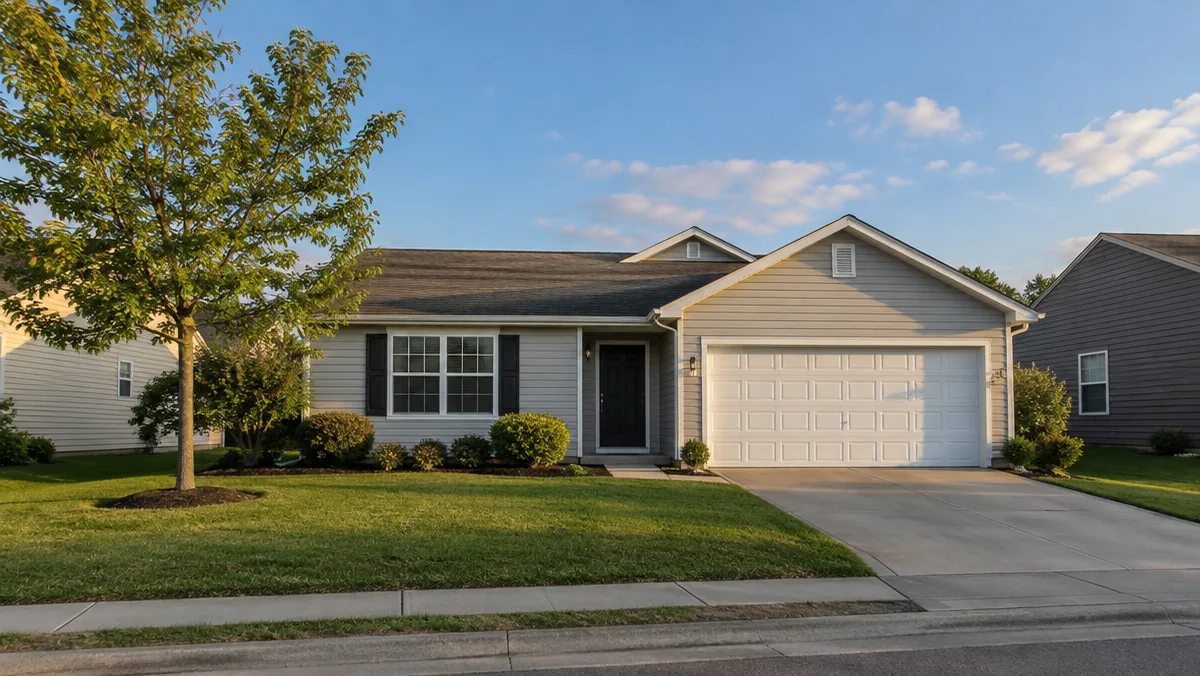
Comps are recently sold homes similar to yours in size, age, condition and location, used to estimate what your own house is realistically worth. Good comps are close by geographically, sold within the last few months, and genuinely comparable in condition — a fully remodeled house two neighborhoods over isn't a reliable comparison for an as-is home. Appraisers, real estate agents and cash buyers all rely heavily on comps to arrive at a price, which makes them one of the most important tools available to a homeowner trying to price their sale accurately. Pulling your own set of comps before talking to any buyer or agent gives you a baseline you can measure every offer against. It's important to adjust honestly for differences in condition, since comparing your fixer-upper to a fully updated comp will overstate what your home can realistically fetch. One caution worth repeating: comps tell you what a house in that condition sold for, not what yours will sell for. If every comparable sale has an updated kitchen, new roof and refinished floors and yours does not, the honest comparison is the comp's price minus the cost of getting your home to that standard — plus the months of carrying costs it would take to do the work.
Real seller example
Isabel wanted a realistic number before talking to any agent or cash buyer, so she pulled her own comps using a public real estate listing site for her neighborhood in Des Moines. She found four similar 3-bedroom ranch homes within a mile of her house that had sold between $248,000 and $262,000 over the past 90 days. All four had updated kitchens and bathrooms, while Isabel's home still had its original 1990s cabinets and countertops. She made a simple spreadsheet listing each comp's sale price, square footage and condition notes so she could compare them side by side. That range gave her a solid starting estimate near $255,000, which she then adjusted downward by roughly $10,000 to account for her home's dated condition before fielding any offers. That is exactly the adjustment most sellers skip. Running the numbers both ways — renovate and list at the comp price, or sell as-is at a discount today — usually makes the choice clear once carrying costs, commission and closing costs are all in the same column.
Frequently asked questions
Ideally within the last three to six months, since older sales miss recent market movement and get discounted or disregarded by appraisers.
Yes, public records and major real estate listing portals show recent sold prices, though you should compare condition honestly since a renovated comp will overstate an as-is home's value.
Three to six solid, truly comparable sales generally give a reliable enough range to price a typical home accurately.
Largely yes, though cash buyers also weigh repair costs and holding time more heavily than a traditional appraisal would.
Similar square footage, age, condition, lot size and proximity to your home all matter, with location and condition typically weighted most heavily.
Generally no for a standard sale, since distressed sales often close below typical market value and can skew your estimate lower than reality.
Because the comps reflect updated homes that sold on the open market. A cash offer on an as-is home subtracts the repair cost, the holding time and the resale risk the buyer takes on, and it comes with no commission or repair requests.
Estimate what it would actually cost to bring your home to the condition of the comparable sales, then subtract that from the comp price, along with the months of taxes, insurance and utilities you would carry while the work is done.
They are built from comps but are not a substitute for reading the individual sales. Automated estimates generally cannot see condition, so they tend to overstate an as-is home and understate a recently renovated one.