
Definition
Price per square foot is calculated by dividing a home's sale price by its total living area, giving a rough way to compare properties of different sizes. It's best treated as a sanity check rather than a precise valuation tool, since condition, lot size, layout, and location can all push the number up or down significantly. As a seller, you might see this figure used by buyers or agents to argue your asking price is out of line with the neighborhood, so it's worth understanding its limits before accepting that argument at face value. Smaller homes typically show a higher price per square foot than larger ones nearby, simply because fixed-cost items like kitchens and bathrooms make up a bigger share of a smaller footprint. It matters most when comparing genuinely similar properties — using it to compare a renovated home to a fixer-upper of the same size will give you a misleading picture. Think of it as one data point among several, not the final word on what your house is worth.
Real seller example
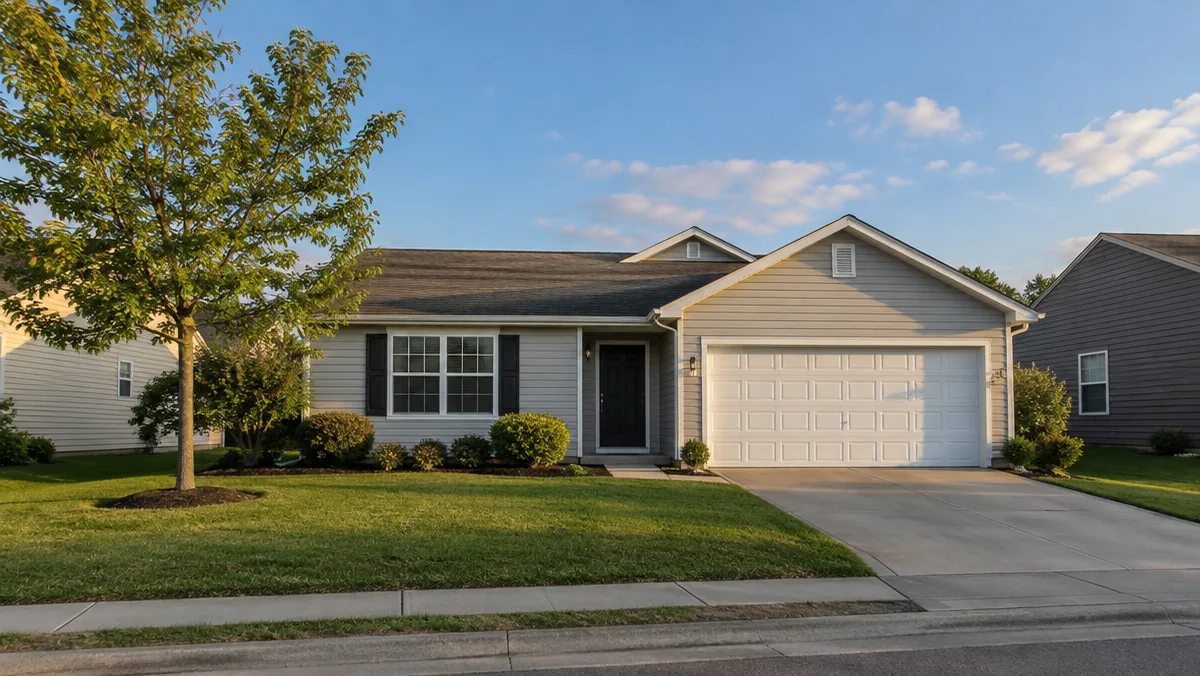
Reggie's agent pointed out that recent sales nearby ranged from $155 to $175 per square foot. Applying that range to his 1,450-square-foot home suggested a rough value between $225,000 and $254,000, before any adjustment for his home's dated kitchen and worn flooring. When Reggie dug into the actual comps behind that range, he noticed the homes near the top of the range had been fully renovated within the past two years, while his had original 1980s finishes throughout. That told him his realistic number sat closer to the lower end. Having that range gave Reggie a starting point to negotiate from rather than a final number, and he used it to sanity-check both a traditional listing price and a cash offer he later received.
Frequently asked questions
It works best as a cross-check rather than a standalone method, since two similarly sized homes can differ by tens of thousands of dollars depending on condition and updates.
Usually not in the primary above-grade figure, though it typically adds value and gets listed as a separate line item in most listings.
Fixed-cost spaces like kitchens and bathrooms take up a larger share of a smaller home's total area, which pushes the per-foot number higher than in larger houses.
Yes, but you can push back by pointing to comps that are truly comparable in condition and layout, not just similar in raw square footage.
The living-area figure itself usually ignores lot size, but a larger or more desirable lot can still push a home's total sale price up even if its per-square-foot number looks similar to smaller-lot neighbors.
Not on its own — automated estimates often use a broad average that doesn't account for your home's specific condition, layout, or recent updates the way a properly built CMA does.
Awkward additions, unusual floor plans, or oddly split square footage can distort the per-foot figure, which is another reason it should be weighed alongside comps rather than trusted alone.
It's less reliable across neighborhoods, since location, school districts, and demand can vary so much that a lower per-foot number in one area may still represent a better overall value than a higher one elsewhere.