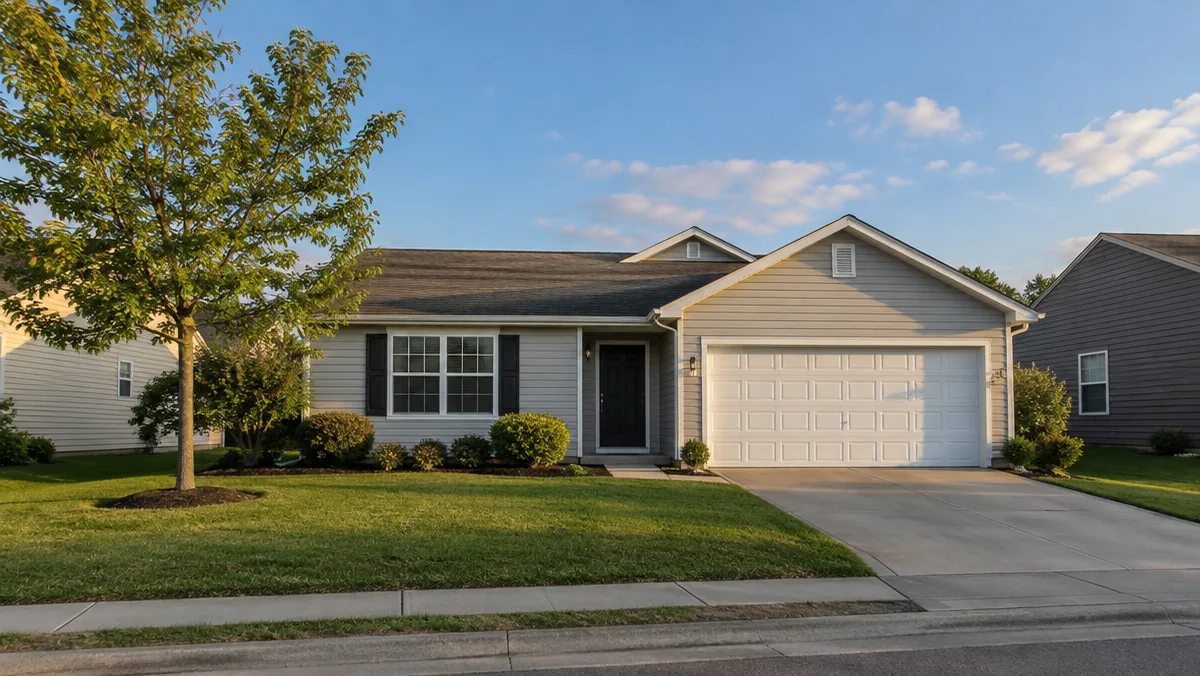

Definition
A distressed property is one under significant financial or physical strain — this can include foreclosure, tax delinquency, severe deferred maintenance, open code violations, or long-term vacancy. The distress can originate with the owner's finances, the physical condition of the building, or both at the same time. These properties typically have limited financing options available to buyers, since lenders are hesitant to underwrite homes with serious defects or unresolved legal issues. As a result, distressed properties most often sell to cash buyers who can close quickly without requiring the issues to be resolved first. For an owner facing this kind of situation, selling directly can stop the accumulation of fines, back taxes, and further deterioration before it gets worse. Waiting to address every underlying issue before selling often costs more in carrying expenses than simply selling the property in its current distressed state.
Real seller example
Julia inherits a vacant house that has three years of unpaid property taxes, a collapsed front porch, and an open code enforcement case with the city. Because of the unresolved legal and physical issues, no conventional lender will finance a buyer for the property, and Julia realizes that listing it traditionally would likely mean months of sitting on the market unsold. She reaches out to a cash buyer who is willing to purchase the home along with all of its existing problems, including the tax delinquency and the open code case. The buyer's team pulls the title report themselves and confirms exactly how much is owed in back taxes before finalizing the offer. The sale closes within two weeks, and the cash buyer takes on the code case and tax liens as part of the purchase price. Julia says the fastest part of the whole process was simply not having to deal with the city's code enforcement office herself.
Frequently asked questions
Yes, cash buyers specialize in purchasing distressed properties, and closings can happen in as little as a week or two once any title issues are cleared. This is often much faster than a traditional listing would allow.
Usually not, when selling directly to a cash buyer, since they typically take on any open code cases along with the property. This can save you the time and expense of resolving them yourself.
There's no single legal definition, but common factors include unpaid taxes, pending foreclosure, major structural damage, or unresolved code violations. Often more than one of these issues is present at the same time.
Cash offers on distressed properties account for the repairs, back taxes, or legal issues involved, so they're typically lower than a move-in-ready home would fetch. Many sellers still come out ahead once they factor in the money saved on repairs and ongoing carrying costs.
Yes, in most cases outstanding property taxes are settled directly from the sale proceeds at closing rather than requiring you to pay them out of pocket beforehand. This is one of the more common ways distressed sales get resolved.
No, a distressed property can be occupied by the owner or a tenant just as easily as it can be vacant. Vacancy is simply one of several factors, alongside financial and physical issues, that can contribute to a property's distressed status.
Selling directly, even at a discount, typically preserves far more value than allowing a foreclosure to run its full course, since foreclosure costs and fees consume whatever equity remains. Acting before that point gives you far more control over the outcome.