
Definition
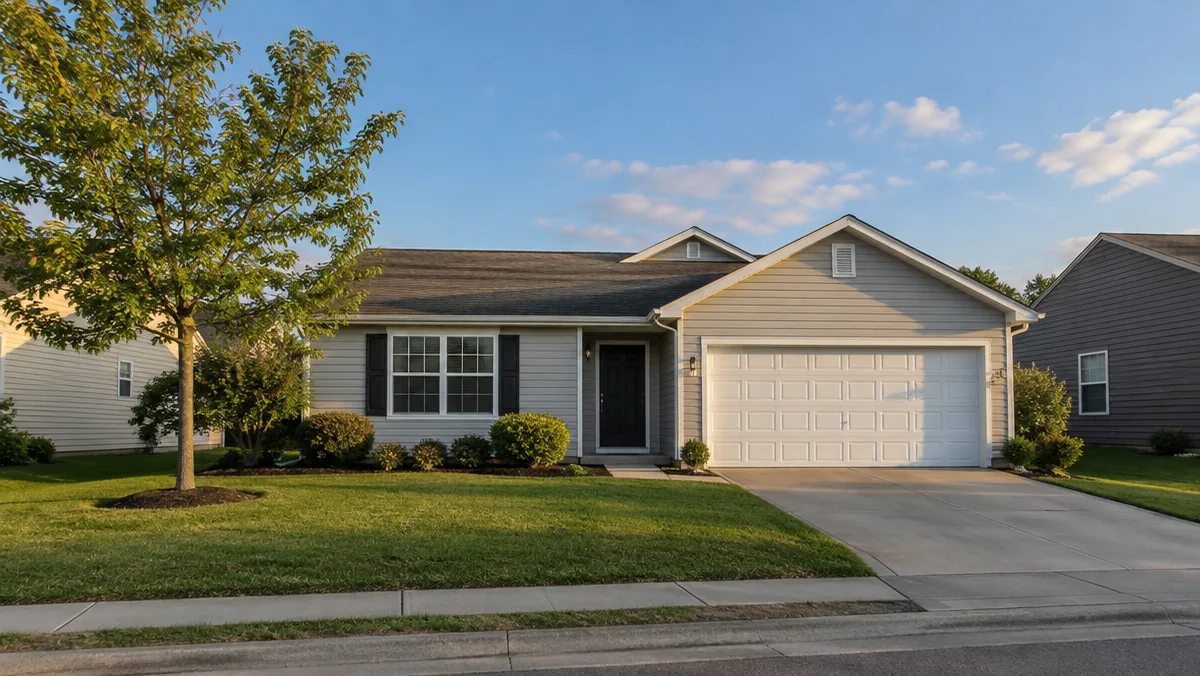
A vacant property is one that currently has no one living in it, whether because the previous owner moved out, passed away, or simply stopped occupying the home. Vacancy introduces real costs and risks that an occupied home doesn't face: standard homeowners insurance policies often lapse or restrict coverage after a certain period of vacancy, pipes can freeze and burst without anyone there to notice, and empty homes become more vulnerable to vandalism or squatting. Some cities also require owners to register vacant properties and pay ongoing fees, adding another expense on top of taxes and utilities. Every month a property sits empty adds carrying costs — taxes, insurance, and utilities — without producing any offsetting benefit for the owner. For families dealing with an inherited or unwanted vacant property, these mounting costs are often the main reason to sell sooner rather than later. Selling directly to a cash buyer eliminates the vacancy risk immediately, since there's no need to keep maintaining or monitoring an empty house while waiting for a traditional sale to close. Vacancy changes three things at once: insurance, risk and cost. Most standard homeowners policies limit or exclude coverage once a home has been unoccupied beyond a set period, so a vacant house often needs a specific vacant-property policy. Meanwhile the carrying costs continue and the risks that a vacant house is most exposed to — burst pipes, roof leaks discovered late, vandalism, code citations — all compound quietly.
Real seller example
After her father passes away, Denise inherits his house, but it sits empty for eight months while she and her siblings decide what to do with it. During that time, they spend roughly $650 a month on property taxes, utilities, and insurance, totaling nearly $5,200 before they even list it, and Denise drives forty minutes each week just to check that the house hasn't been broken into. Denise also worries about the house being vandalized since no one checks on it regularly, and her insurance agent warns her that the policy's coverage will shrink further the longer the home stays empty. One of her siblings suggests listing it traditionally, but the family agrees they don't want to spend more money on repairs or wait months for a buyer's financing to close. She and her siblings ultimately sell the property to a cash buyer, stopping the monthly carrying costs immediately and ending the weekly drive to check on the house. Denise says the relief of not worrying about the property anymore was worth more to the family than trying to squeeze out a higher price through a longer sale process. This is why inherited and long-vacant homes are so often sold as-is. Every month of vacancy adds taxes, insurance, utilities and lawn service to the bill while the condition of the house drifts in the wrong direction, so a fast, certain closing frequently nets more than a slower sale at a higher headline price.
Frequently asked questions
The main risks include insurance coverage gaps, weather damage like frozen pipes, break-ins or squatting, code enforcement citations, and steady carrying costs with no income to offset them. Vacant property registration fees can add another expense in many cities.
Yes, vacant homes are actually among the fastest properties to close on for cash, since there's no occupant to coordinate showings or moving timelines around. This makes them well-suited to a quick, direct sale.
Standard policies often limit or exclude coverage after a property has been vacant for 30 to 60 days, depending on the insurer. You may need a special vacant-property policy, which is typically more expensive.
Many cities require owners of vacant properties to register them and pay a fee, especially if the vacancy extends for several months. Failing to register can result in fines on top of the property's other carrying costs.
Yes, the longer a home sits unattended the greater the chance of weather damage, vandalism, or squatters moving in undetected. Regular check-ins can help, but they don't eliminate the ongoing carrying costs or the underlying risk.
Yes, a cash buyer will typically purchase the home with belongings, furniture, or debris left inside. This removes the need to arrange a cleanout crew before the sale can move forward.
No, cash buyers generally do their own walkthrough rather than requiring a formal inspection contingency. This helps a vacant property sale close quickly without the delays a traditional inspection process can add.
Often not fully. Many policies restrict coverage after the home has been unoccupied for a set number of consecutive days, commonly around 30 to 60, so ask your carrier directly and consider a vacant-property policy.
Keep the utilities on so the heat runs and pipes do not freeze, maintain the lawn so it does not attract code citations, secure doors and windows, forward the mail, and have someone check it regularly.
It can, because buyers price in the condition risk and any deferred maintenance. Against that, avoiding further months of carrying costs and deterioration frequently makes a quick sale the better net outcome.