
Definition
Eminent domain is the government's legal authority to take private property for a public use, such as building a road, utility line, or school, in exchange for paying the owner just compensation. Highway widenings, pipeline corridors, and municipal expansions are among the most common triggers homeowners encounter. As a property owner, you can typically negotiate the compensation amount or formally challenge the government's valuation of your property, but you generally cannot stop the taking from happening altogether. Understanding this distinction early helps homeowners focus their energy on getting a fair price rather than fighting a battle over the taking itself that's unlikely to succeed.
Real seller example
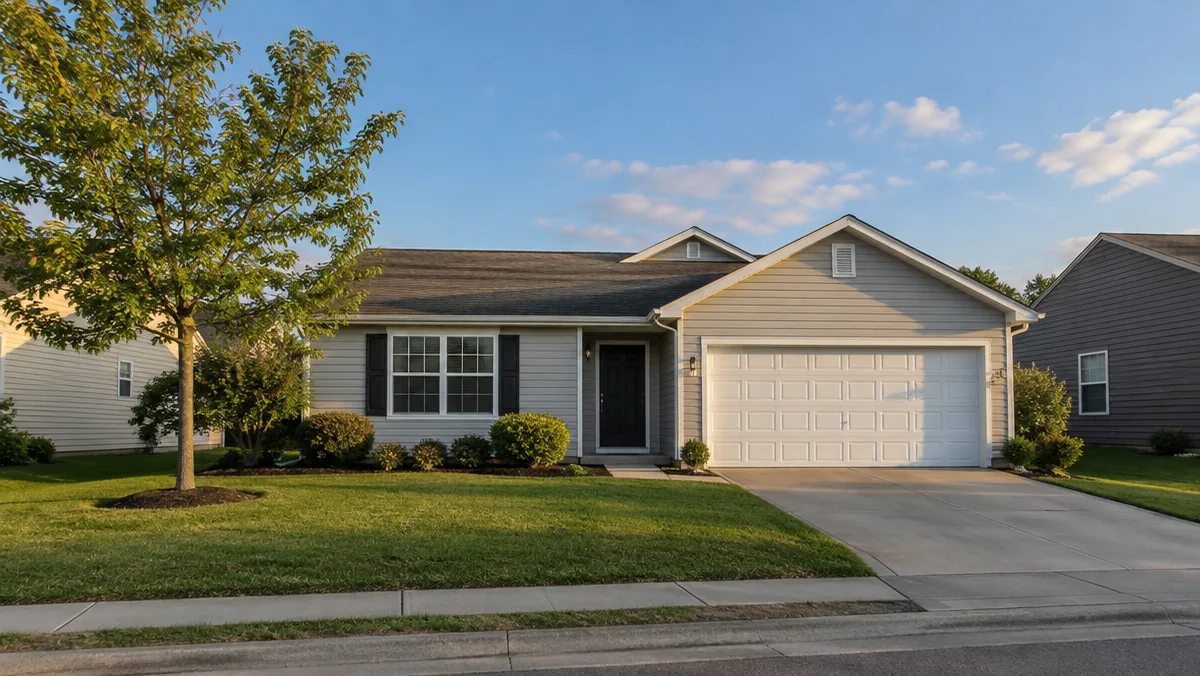
When the city widened the road in front of Alan's house, it needed to claim twelve feet of his front yard through eminent domain. He received a formal notice along with the city's initial appraisal, which came in lower than Alan expected given recent sales nearby on his street. Rather than accept it right away, he hired an appraiser of his own to document the true value of the land being taken, including the mature trees and the fencing that would need replacing. That independent report gave him concrete numbers to bring to the negotiating table. That independent appraisal helped him successfully negotiate a higher compensation amount before the taking was finalized. Alan said he was glad he pushed back instead of simply accepting the city's first number.
Frequently asked questions
Rarely. What's usually negotiable is the amount of compensation you receive, not whether the taking itself proceeds, since courts generally defer to a legitimate public use determination.
It can. Buyers will factor in the uncertainty and potential loss of land, and a pending action generally needs to be disclosed to any prospective buyer before closing.
It's typically based on an appraisal of the fair market value of the property or portion being taken, and owners have the right to challenge that appraisal with their own.
Yes, and many homeowners do exactly that. An independent appraisal can be a strong basis for negotiating a higher payout before the taking is finalized.
This is called a partial taking, and compensation should account for both the value of the land taken and any decrease in value to the remaining portion of your property.
Sometimes, though a buyer will want full disclosure of the pending action, and some may hesitate given the uncertainty, so discussing the situation honestly upfront is important.