
Definition
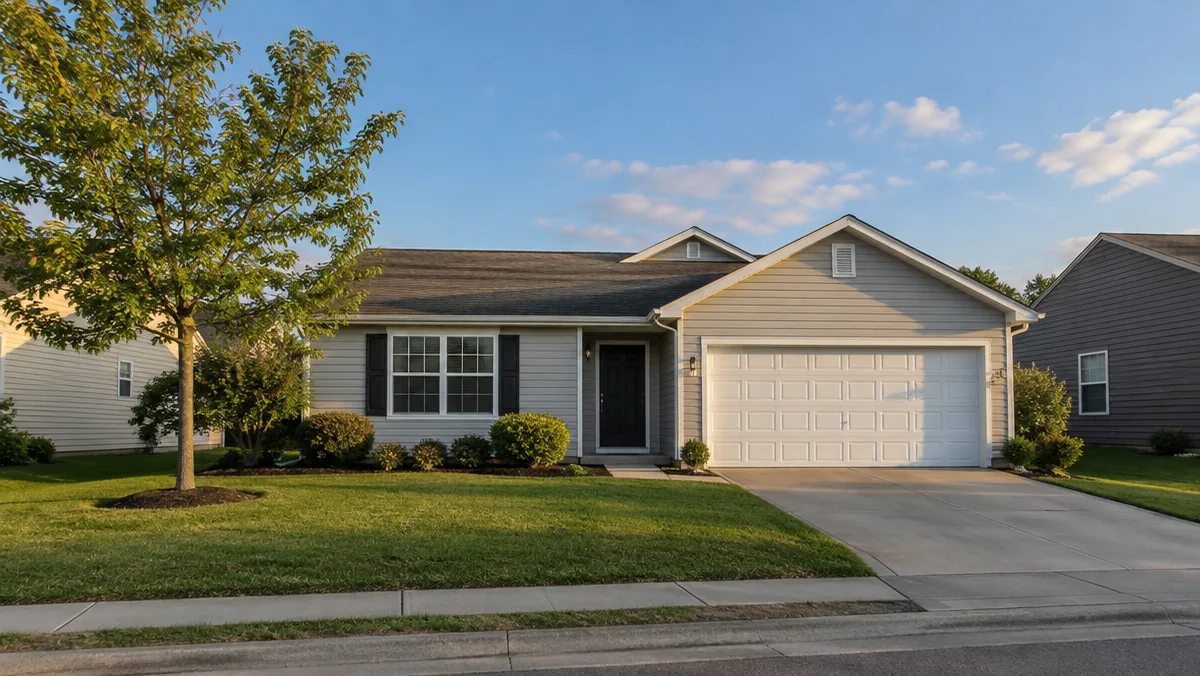
An HOA is the organization responsible for governing a subdivision, condo building or planned community. It collects regular dues, maintains shared common areas, and enforces rules covering everything from exterior appearance to rental restrictions and approved improvements. When you sell a home within an HOA, any unpaid dues, fines and transfer fees typically must be settled first, and the association often has to provide specific documents to the buyer confirming the property's standing. For homeowners, unresolved HOA issues can catch sellers off guard, especially if dues have quietly gone unpaid or fallen behind during a difficult stretch. The good news is these balances are almost always resolved simply by paying them off from your sale proceeds at closing. Buyers, lenders and title companies all pay close attention to an HOA's financial health and any outstanding obligations before a sale finalizes.
Real seller example
Ramona had fallen behind on her condo association dues in Fort Lauderdale after a stretch of reduced work hours, and by the time she decided to sell, her account showed $1,180 in unpaid dues plus late fees. When her title company requested an estoppel letter from the HOA, it also revealed a standard $250 transfer fee due at closing. Ramona was initially worried these balances would delay or derail her sale entirely, since she'd heard stories about HOAs holding up closings for weeks. She called the management company directly to confirm the exact payoff figure before her closing date arrived. Instead, the title company simply deducted both the unpaid dues and the transfer fee from her proceeds at closing, and the association signed off on the ownership transfer without any further issue.
Frequently asked questions
Yes, past-due dues and fines are typically paid at closing, and many HOAs are also legally entitled to record a lien if they go unpaid for too long.
It usually can't stop a sale outright in most states, but unresolved balances or missing required documents like an estoppel letter can delay closing until they're handled.
It's a document from the association confirming the current dues balance and any outstanding fines, which title companies require before closing on properties within an HOA.
Yes, HOA governing documents and restrictions automatically apply to whoever owns the property, so the buyer inherits the same rules you had.
They vary widely, often ranging from $100 to $500, though some associations charge more depending on their bylaws.
Yes, most HOAs have the legal authority to record a lien against a property for unpaid dues, which then needs to be resolved before a sale can close.