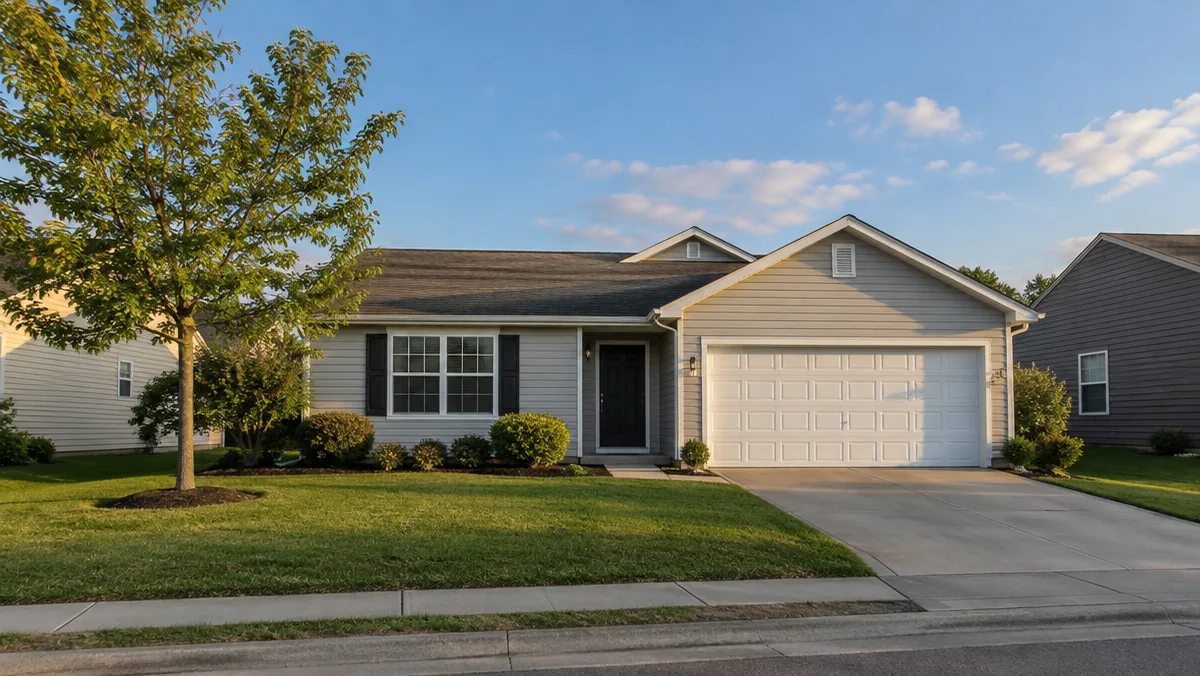

Definition
A condominium is a form of ownership where you own the interior of your individual unit outright while sharing ownership of the building's exterior, roof, and common areas through a homeowners association. That association collects monthly dues to fund maintenance and can also levy special assessments when a large expense, like a roof or elevator replacement, comes up. Selling a condo involves more than just marketing the unit — buyers and their lenders will also want to review the association's financial health, dues status and any pending litigation before they commit. Lenders are often cautious about condo buildings with high delinquency rates, too many rental units, or ongoing lawsuits, which can narrow the pool of buyers who qualify for financing. Any unpaid dues or looming special assessments need to be disclosed to a buyer, since these obligations directly affect what the unit is worth. For an owner who wants a fast, predictable sale, a cash buyer sidesteps the lender-driven scrutiny that can slow down or derail a financed condo sale.
Real seller example
Robert's condo building recently approved a $9,000 special assessment to cover a full roof replacement, and he still owes his share when he decides to sell. His buyer's lender flags the assessment during underwriting and asks detailed questions about the association's reserve funds and whether other owners are behind on dues. The underwriting review drags on for weeks while the lender requests additional HOA financial statements, and Robert worries the buyer will walk away entirely. Because the delay risks losing the buyer altogether, Robert negotiates a price adjustment to account for the assessment rather than losing the sale completely. He later learns that a cash sale would have let him skip that lender-driven back-and-forth completely, since a cash buyer only needed to confirm the dues balance rather than satisfy an entire underwriting file. For his next property, Robert says he'd consider a direct cash sale from the start if HOA complications came up again.
Frequently asked questions
Lenders closely examine the association's finances, owner-occupancy ratio and litigation history before approving a loan on the building. Any red flags in those areas can shrink the number of buyers who can actually get financing.
Yes. The unpaid balance is typically paid out of your sale proceeds at closing so the association releases its claim on the unit.
Yes, any known or upcoming special assessment should be disclosed to potential buyers. Failing to disclose it can expose you to legal trouble after closing.
A cash buyer will still want to know the dues status and any assessments, but they aren't bound by a lender's approval requirements. That generally makes the sale faster and less likely to fall through.
Pending litigation against the association is a common reason lenders decline to approve financing in a building, since it creates financial uncertainty. This is another situation where a cash buyer can move forward when a financed sale might stall.
Request a copy of the association's most recent budget, reserve study, and delinquency report from your HOA management company. Buyers and their lenders will ask for the same documents, so having them ready in advance can speed up the sale.
Yes, buildings with a high percentage of renter-occupied units or strict rental caps can be harder to finance, which affects your buyer pool. It's worth knowing your building's current owner-occupancy ratio before listing.