
Definition
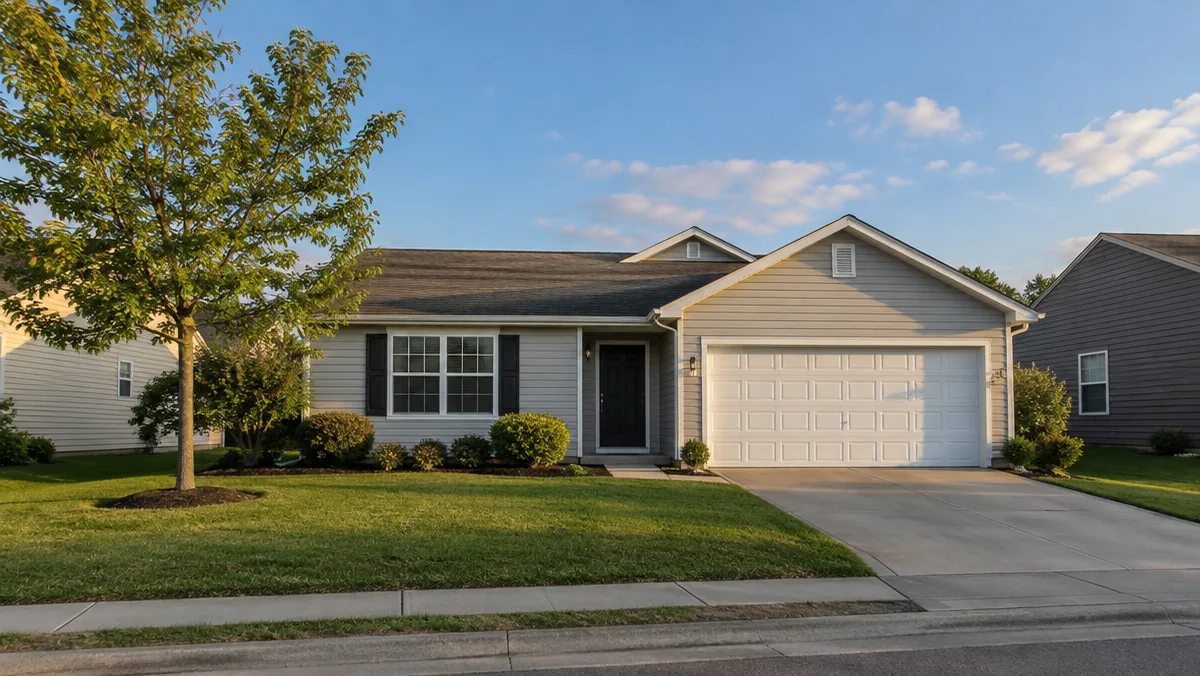
An inherited property is a home you receive after the owner's death, usually through a will, a trust, or your state's inheritance laws if there was no will. Before it can be sold, someone needs legal authority to sign on the estate's behalf, which usually means a court-appointed executor or a successor trustee. Until that happens, property taxes, insurance, and basic upkeep still have to be paid, often by heirs who don't live nearby. Many heirs inherit a house they don't want to own, can't afford to maintain, or need to split with siblings who all want different things. Selling an inherited property lets everyone cash out their share without becoming long-distance landlords or property managers. It also removes ongoing liability, since an empty or neglected house can create insurance and code problems fast.
Real seller example
When Marcus and his two sisters inherited their late mother's house 400 miles from where any of them live, none of them wanted to fly in repeatedly to coordinate repairs or showings. The house still had decades of furniture inside, an aging roof, and a small unpaid balance on a home equity line their mother had taken out years earlier. Once probate confirmed Marcus as executor, the siblings discussed listing it traditionally, but the thought of managing contractor bids and showings from three different states made everyone uneasy. They requested a cash offer instead, and the buyer agreed to purchase the home with the furniture left inside and the equity line payoff handled at closing. They sold the house as-is for cash and split the proceeds three ways. The whole process took about six weeks from the court's approval to the wire hitting their accounts, and none of them had to set foot back in the house.
Frequently asked questions
Not until legal authority is established, which usually means opening probate or relying on a trust that already names a successor trustee. Once a representative is officially appointed, the sale can proceed.
Not if you sell to a direct cash buyer, who typically purchases the home with everything left inside. You can take sentimental items and paperwork and leave the rest.
Heirs usually get a stepped-up basis equal to the home's value on the date of death, which often reduces or eliminates taxable gain when it's sold soon after. Confirm your specific situation with a tax professional.
All heirs or the appointed representative generally need to agree or a court needs to resolve the dispute before a sale can close. Getting everyone aligned early, or getting probate guidance, saves a lot of time later.
Timelines vary widely by state and estate complexity, ranging from a few months for simple estates to over a year for contested ones. Many states also offer simplified processes for smaller estates that can move faster.
The estate is generally responsible for continuing mortgage payments, taxes, and insurance until the sale closes. If the estate has no cash available, heirs sometimes cover these costs temporarily and get reimbursed from sale proceeds.
Yes, those debts and issues are typically resolved out of the sale proceeds or taken on by a cash buyer willing to purchase as-is. A title search will show exactly what needs to be cleared before closing.
Yes, SilverCrest buys inherited homes directly for cash in as-is condition, contents included, so heirs don't have to manage a cleanout from a distance. You simply take what matters to your family and leave the rest.