
Definition
Private money is capital lent by an individual or a small private group rather than a bank or an institutional hard money fund. Because the terms are negotiated directly between borrower and lender, they can be more flexible on rate, timeline, and the condition of the property being purchased. It's common among experienced buyers who've built relationships with private lenders and need to move fast on a purchase. For a seller, a buyer funded with private money can often close just as quickly as an all-cash buyer, though it's still worth confirming the funds are actually available and committed in writing.
Real seller example
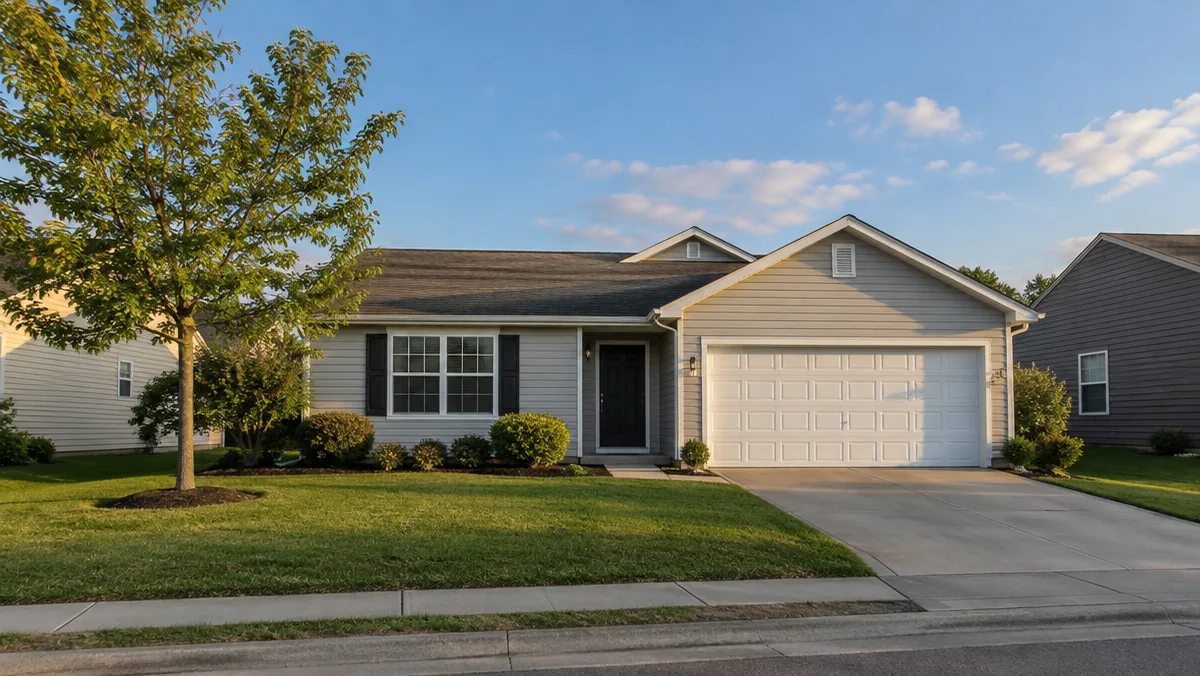
Priya's buyer funded the purchase of her outdated ranch home using money from a private lender he'd worked with on several past deals. That existing relationship let him close in eight days on a house with an unpermitted addition that a bank would have flagged during underwriting and likely refused to finance at all. Because the loan terms were worked out directly between the buyer and his private lender, there was no drawn-out institutional underwriting process for Priya to worry about, and no appraisal contingency hanging over the sale. She still asked for a letter confirming the funds were committed before she took her listing down, just to be safe. Everything closed exactly on the date they'd agreed to, with no financing surprises along the way. Priya got her sale done on her own timeline with none of the usual bank paperwork delays, and she moved out the following week with cash in hand.
Frequently asked questions
Not usually, private lenders skip the bureaucracy of traditional bank underwriting, which is part of why buyers use them. Still, ask for written confirmation that the funds are committed before you count on the timeline.
It generally is, especially if you ask for proof of funds from the lender and collect a meaningful earnest money deposit. Those two steps protect you if anything changes.
Hard money usually comes from a licensed lending business with somewhat standardized terms, while private money comes from an individual or informal group with terms negotiated case by case.
Yes, just as you would with any cash or financed buyer. A quick letter or statement from the private lender confirms the money is real and actually available for your sale.
It's rare with an established lending relationship, but it can happen. Requiring a solid earnest money deposit and a written commitment letter helps protect you if the buyer's funding falls through.
Often yes, since private lenders aren't bound by the standardized underwriting timelines a traditional bank uses, which can shave weeks off the process.