
Definition
Prorations are the adjustments made at closing to split ongoing costs, like property taxes, HOA dues or utility bills, fairly between buyer and seller based on how many days each of you actually owned the home during the billing period. Rather than making one party pay for the other's period of ownership, the settlement statement divides these shared costs by the exact closing date. For a homeowner, prorations show up as line-item credits and debits on your final closing statement, and they can work in your favor or against you depending on when in the billing cycle you close. Property taxes are the most common proration, since tax bills are usually assessed annually but ownership changes mid-cycle. HOA dues and, in some cases, prepaid utility deposits get handled the same way. Understanding prorations ahead of time helps you avoid confusion when you see unfamiliar credits and charges on your settlement statement.
Real seller example
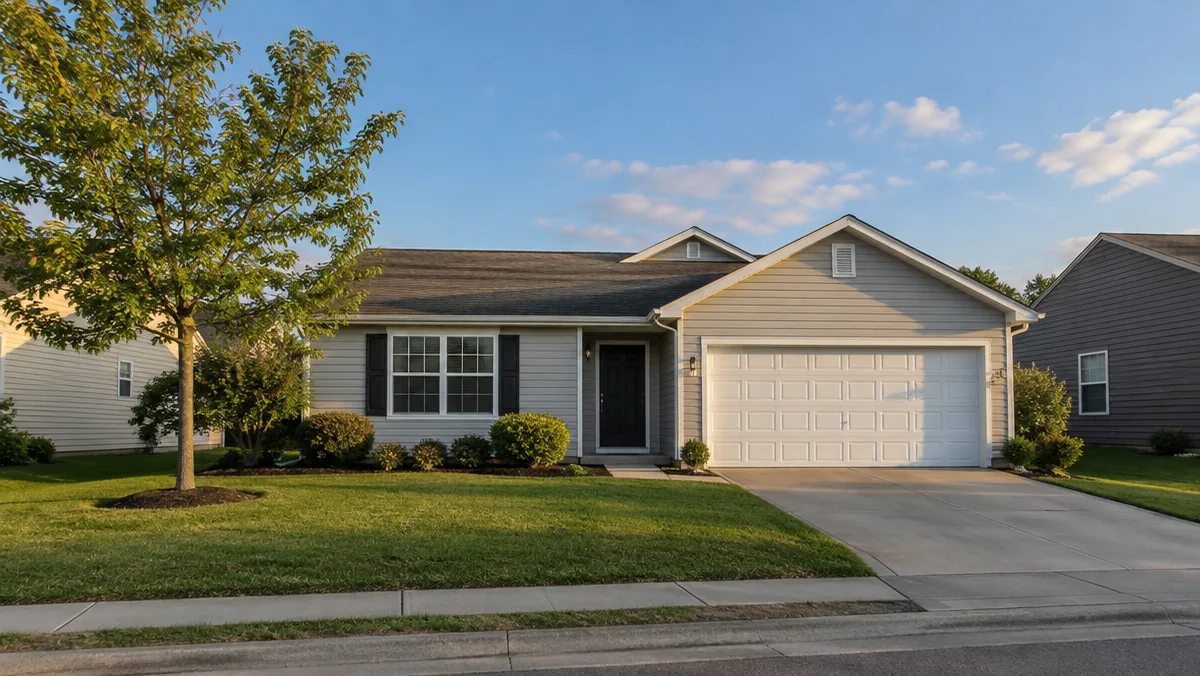
Wendell closed on the sale of his home in Wichita on June 15th, roughly halfway through the year for which he'd already paid his full $3,600 annual property tax bill back in January. When his settlement statement arrived, he noticed a line item crediting him $1,777, calculated by prorating his prepaid taxes for the days remaining in the year after his ownership ended. His buyer's side of the statement showed a matching debit for that same amount, since the buyer would technically be benefiting from taxes Wendell had already paid. Wendell asked his title officer to walk him through the math so he understood exactly how the number had been calculated. Seeing both sides laid out clearly helped Wendell understand why his final proceeds were slightly higher than his sale price minus his mortgage payoff alone.
Frequently asked questions
Property taxes, HOA dues and sometimes utility charges are the most common costs prorated between buyer and seller based on the closing date.
It depends on whether you've already prepaid costs beyond your closing date, in which case you'd receive a credit, or whether you owe costs for time you occupied the home before it's been billed.
They're typically calculated by dividing the annual cost by 365 days and multiplying by the number of days each party owned the home during that billing period.
No, the title or escrow company calculates all prorations automatically and reflects them clearly on your final settlement statement.
They're usually a modest adjustment rather than a major factor, though prepaid taxes or dues can add a meaningful credit back to your proceeds.
Generally no, since they're based on a standard formula tied to actual days of ownership, though the specific billing period conventions can vary by local custom.