
Definition
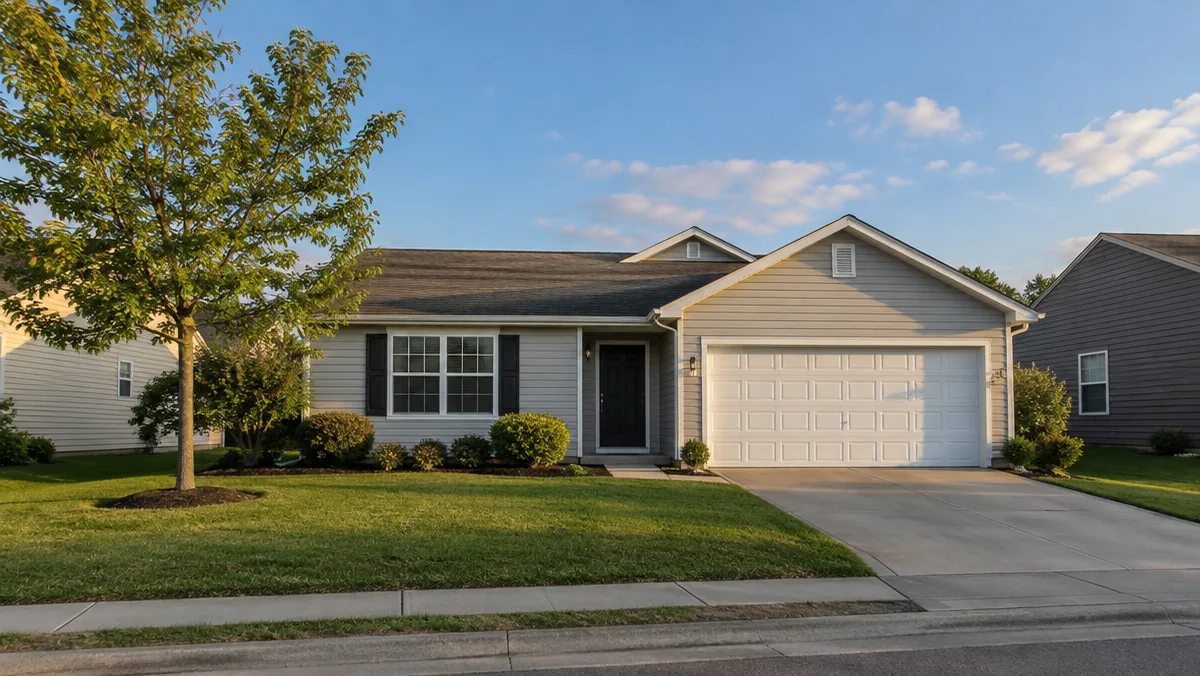
REO, or "real estate owned," describes a property that a lender ends up owning after it went through foreclosure but failed to sell to a third party at the foreclosure auction. Since banks aren't in the business of holding and maintaining houses, REO properties are typically resold as-is, often at a discount, with minimal seller disclosures because the bank never lived there and knows little about the home's history. For a homeowner, reaching REO status represents the worst-case outcome of a foreclosure, because it means the process has fully completed and any equity that once existed in the home is gone. Once a property becomes REO, the original owner has no further claim to it or to any proceeds from its eventual resale. The entire point of acting during pre-foreclosure is to avoid ever reaching this stage, since options like reinstatement, a workout, or a direct sale all preserve far more value for the homeowner than letting the process run its full course. Understanding REO helps homeowners see foreclosure not as a single event but as a timeline with several earlier exit points still available.
Real seller example
Kevin's neighbor falls behind on mortgage payments, and after months of missed payments the home is scheduled for a foreclosure auction. No bidders show up willing to cover the outstanding loan balance, so the property becomes bank-owned REO, and a sign soon appears in the yard advertising it through the bank's asset management company. The former owner receives nothing from the process, since the auction and foreclosure costs consumed any remaining value the home once had. Months later, the bank lists the house for sale as-is, at a price well below what it was worth before the foreclosure, and a local investor eventually buys it directly from the bank. Kevin later learns that if his neighbor had sold the house during pre-foreclosure, months earlier, they likely could have walked away with some equity instead of losing everything. He says watching the situation unfold made him realize how much earlier action could have changed the outcome for his neighbor.
Frequently asked questions
Foreclosure costs and the remaining loan balance are paid first from any sale proceeds, and homeowners commonly end up with nothing once the process reaches REO status. Any equity that existed before is effectively lost.
Acting early during pre-foreclosure gives you the most options, including reinstating the loan, negotiating a workout with the lender, or selling the home before the auction date. Once the property becomes REO, none of those options are available anymore.
Often, yes, since banks want to resell REO properties quickly and typically offer them as-is with limited disclosures. This differs greatly from a homeowner selling directly, which usually preserves more value for the family involved.
In many cases yes, right up until the auction actually takes place, though the timeline becomes very tight. A cash buyer who can close quickly is often the only realistic way to sell before the auction date arrives.
REO sellers typically provide fewer disclosures than a homeowner would, since the bank never actually lived in or maintained the property. Buyers of REO homes generally purchase them as-is with minimal information about the property's history.
Timelines vary widely by state, ranging from a few months to well over a year depending on local foreclosure laws and whether the process is judicial or non-judicial. This is exactly why acting as early as possible during pre-foreclosure matters so much.
In almost every case, yes, since a direct sale allows you to capture whatever equity exists rather than losing it entirely to foreclosure and REO costs. Even a modest cash offer during pre-foreclosure typically leaves a homeowner better off than the alternative.