
Definition
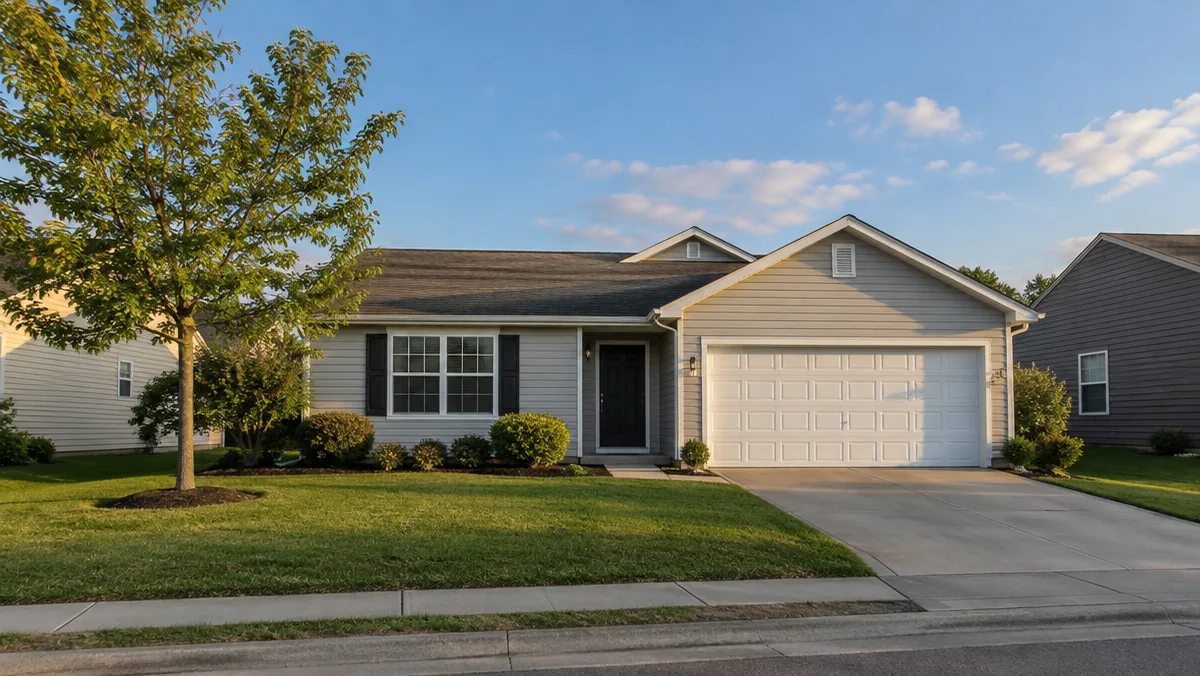
A short sale happens when a lender agrees to accept less than the full amount owed on a mortgage so that a struggling homeowner can sell rather than go through foreclosure. It requires the lender's written approval, a hardship explanation, and detailed financial documentation, and approvals frequently take two to four months because the bank is reviewing every file closely. For a homeowner, a short sale generally causes less credit damage than a completed foreclosure, but it's still a difficult mark and it rarely nets you any cash at closing since the lender is already absorbing a loss. It also depends entirely on the lender's cooperation and timeline, which is why some sellers explore a straightforward cash sale first if there's still enough equity to avoid the short-sale process altogether.
Real seller example
Denise owed $265,000 on a home now worth about $230,000 after a decline in her neighborhood's values, and she knew she couldn't sell for enough to cover the loan on her own. She contacted her lender's loss mitigation department and submitted a hardship letter along with pay stubs, bank statements, and a comparative market analysis of her street. Her lender reviewed her hardship package for close to ten weeks before approving a short sale at $228,000, releasing its lien so the closing could finally proceed. During that wait, Denise had to keep the house in showable condition while fielding buyer questions about the lengthy approval timeline. Denise avoided foreclosure on her record, though she received no proceeds from the sale itself since the lender absorbed the shortfall. She said the process tested her patience but ultimately protected her credit far more than letting the house go to auction would have.
Frequently asked questions
Typically 60 to 120 days, since the timeline is largely controlled by how quickly the lender reviews and approves the file rather than by the buyer or the seller.
Usually not, because the lender is already accepting less than it's owed, though some lender programs do offer a small relocation incentive to help with moving costs.
Generally yes, a short sale tends to be viewed somewhat less harshly than a completed foreclosure by future lenders, though both affect your credit for a period of years.
Yes, the lender must formally approve both the sale and the price in writing before it can close, since they're agreeing to release their lien for less than the full payoff amount.
Most lenders ask for a hardship letter, recent pay stubs or proof of income, bank statements, tax returns, and a listing agreement or purchase contract showing the proposed sale price.
It's rare. Most lenders require documented financial hardship and evidence that continuing payments isn't sustainable before they'll consider approving a short sale.
Not necessarily. Some sellers bring a small amount of cash to closing to cover the shortfall instead, which can be faster than waiting on lender approval for a formal short sale.