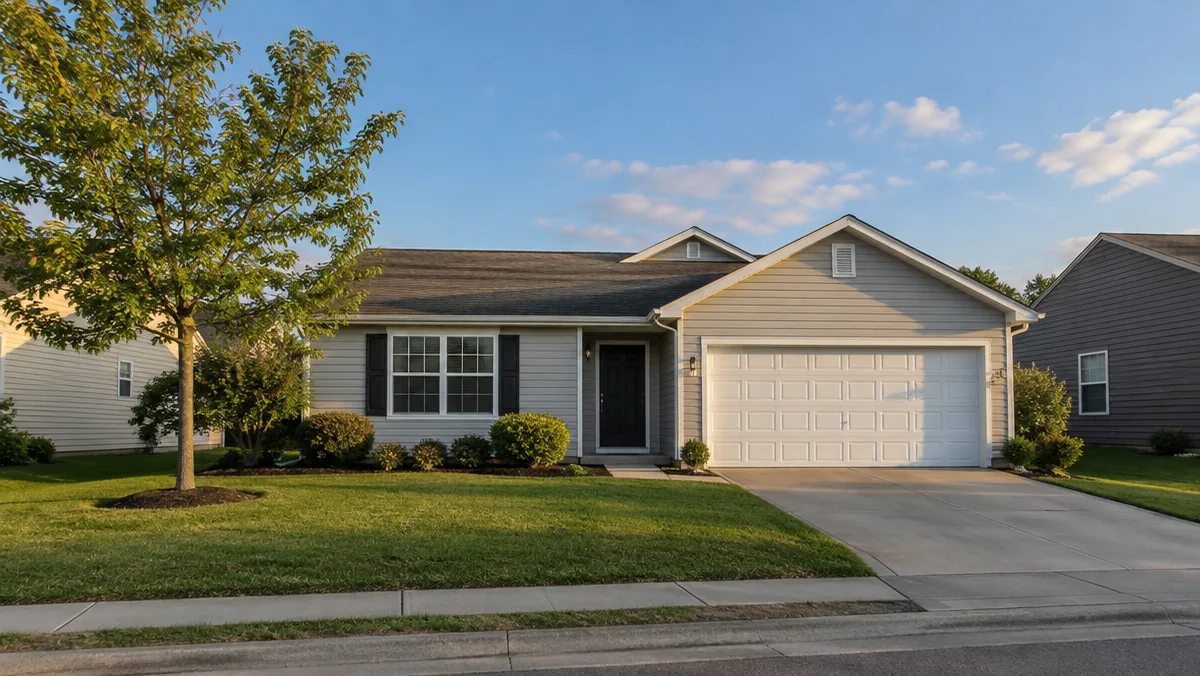

Definition
A single-family home is a standalone house built for one household, sitting on its own lot with no shared walls, no shared roof and no common ownership with a neighbor. It's the property type most buyers picture when they think of "a house," and it's also the most heavily traded type of real estate in almost every market. That popularity works in a seller's favor because there are usually plenty of recent comparable sales nearby, which makes pricing more predictable and less contested. Single-family homes attract the widest possible buyer pool — first-time buyers, move-up families, landlords and cash investors all compete for them, which tends to keep demand steady even when the broader market slows. Because the whole structure and lot belong to one owner, there's no association, no shared decision-making and no dues to explain to a buyer, which simplifies the disclosures and paperwork at closing. If you're selling one, condition and location will do more to set your price than the property type itself, since single-family homes already sell easily on their own merits.
Real seller example
Maria owns a three-bedroom ranch on a quarter-acre lot in a quiet subdivision and decides to sell after her kids move out. Her agent finds eight comparable single-family sales within a mile from the last six months, which makes pricing the home straightforward. Because the buyer pool includes families, retirees and investors, she gets three offers within the first two weeks. One offer comes from a young family who needs financing and wants Maria to fix a cracked driveway and replace an aging water heater before closing. Maria weighs the repair costs and the six-week financing timeline against a cash offer that came in slightly lower but required nothing from her at all. She ultimately accepts the cash offer, which lets her skip repairs entirely and close in twelve days instead of waiting on a financed buyer's appraisal and loan approval. Looking back, Maria says the peace of mind mattered as much as the price. She didn't have to keep the house "showing ready" for weeks, didn't have to negotiate over a home inspection report, and knew exactly what she'd walk away with the day she signed.
Frequently asked questions
Generally yes, because the buyer pool is largest and comparable sales are easiest to find. Appraisers and lenders are also most comfortable with this property type, which keeps financed deals moving smoothly.
It affects price more than sellability, since these homes still draw interest even in rough shape. Buyers simply adjust their offer to account for the work needed rather than walking away.
Yes — updated, dated, damaged or vacant, SilverCrest buys single-family homes as-is for cash. There's no need to repair, stage or list before selling, and there are no showings to schedule.
A single-family home has no shared walls and no HOA governing the structure, which removes a layer of paperwork and buyer scrutiny. Townhouses often require HOA disclosures and dues verification that single-family sales don't.
You'll typically need the deed, your most recent tax bill, mortgage payoff statement, and a seller disclosure form describing the property's condition. A title company or attorney can confirm exactly what your state requires.
With a traditional listing, expect anywhere from a few weeks to a few months depending on your market and pricing. A direct cash sale can compress that timeline down to a week or two, since there's no lender approval or open-house process to work through.
For a traditional sale, staging and light repairs can help attract more offers, but they aren't required. If you'd rather skip that step, a cash buyer will purchase the home exactly as it sits, cosmetic issues and all.