Start here: this article is part of our seller questions collection. For the full picture, read our complete guide, Can You Sell a House With a Mortgage? Everything You Need to Know.
When you sell your home for more than you paid, the profit may be subject to capital gains tax — but most homeowners owe nothing, thanks to a generous IRS exclusion. Understanding how the rules work helps you estimate your tax before you sell and avoid an unwelcome surprise. This article is general information, not tax advice — confirm your situation with a CPA or tax professional, and check current IRS rules, which can change.
Home-sale gain exclusion (IRS Pub. 523)
| Filing status | Max excluded gain | Main test |
|---|---|---|
| Single | $250,000 | Owned & lived in 2 of last 5 years |
| Married filing jointly | $500,000 | Both meet use test; one meets ownership |
| Doesn't qualify | Partial exclusion may apply | Job, health or unforeseen move |
What "Capital Gains" Actually Means on a Home Sale
Your capital gain is not your sale price — it's your profit: the sale price minus your "cost basis." Cost basis includes what you paid for the home plus qualifying improvements and certain closing costs. So the math is roughly:
Gain = Sale price − selling costs − (purchase price + capital improvements)
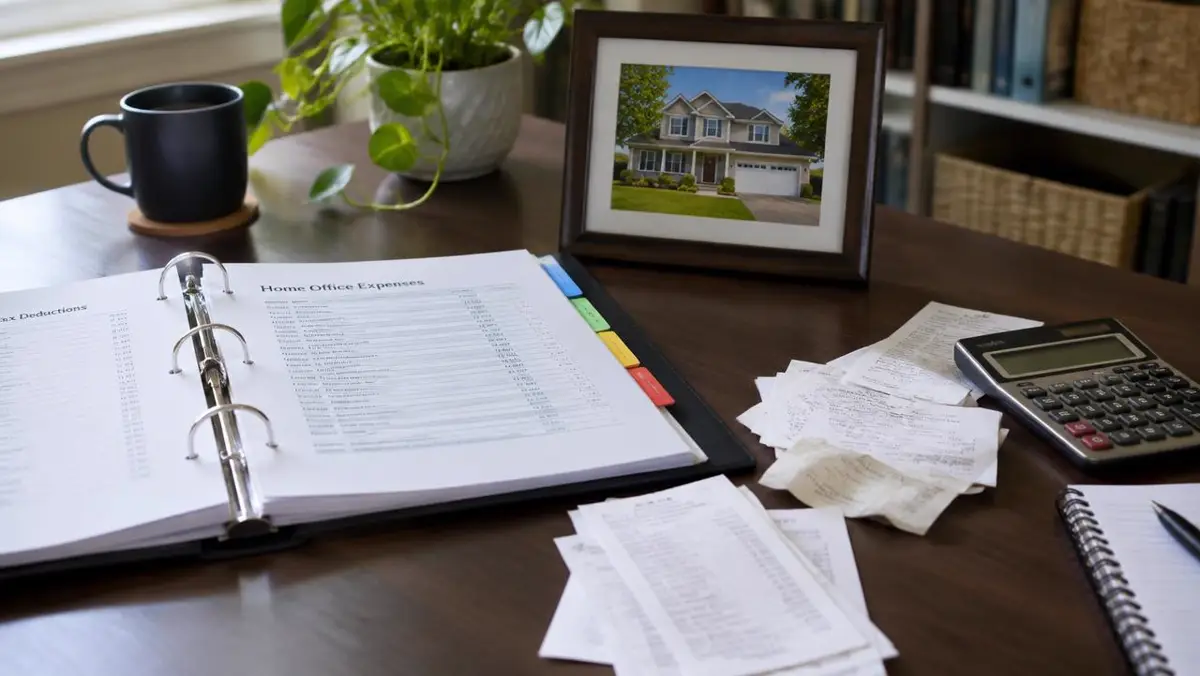
This is why keeping receipts for renovations matters: every qualifying improvement raises your basis and lowers your taxable gain.
The Home Sale Exclusion (Why Most Sellers Owe Nothing)
The IRS Section 121 exclusion lets many homeowners exclude a large chunk of gain from tax:
- Up to $250,000 of gain if you file single
- Up to $500,000 of gain if you're married filing jointly
To qualify, you generally must have owned and lived in the home as your primary residence for at least 2 of the last 5 years. Meet that test, and gain under your exclusion amount is simply not taxed. Most sellers fall comfortably under the cap.
When You Might Actually Owe
You could owe capital gains tax if:
- Your gain exceeds your exclusion amount (common in long-held homes with large equity or high-appreciation markets)
- The home was not your primary residence — a rental or second home doesn't get the exclusion (though other strategies like a 1031 exchange may apply to investment property)
- You didn't meet the 2-of-5-year ownership and use test
- You've already used the exclusion within the past two years
Short-Term vs. Long-Term
If you owned the home one year or less, any gain is taxed as a short-term gain at ordinary income rates — usually higher. Owning more than a year qualifies for lower long-term capital gains rates. Timing a sale even a few weeks past the one-year mark can matter.
Special Situations
- Divorce: Rules around ownership and use can get complicated when a couple separates; see selling your house during divorce.
- Inherited property: Heirs typically receive a "stepped-up basis" to the value at the date of death, which often eliminates most gain — relevant if you're selling inherited property out of state.
- Partial exclusion: If you sold early due to a job change, health issue, or other qualifying "unforeseen circumstance," you may get a prorated exclusion.
Their math looks like this: Because they're married filing jointly and meet the 2-of-5-year test, they can exclude up to $500,000 of gain.
Reducing a Taxable Gain
If you expect to exceed the exclusion, these can help — always with a tax pro:
- Document every capital improvement to raise your basis
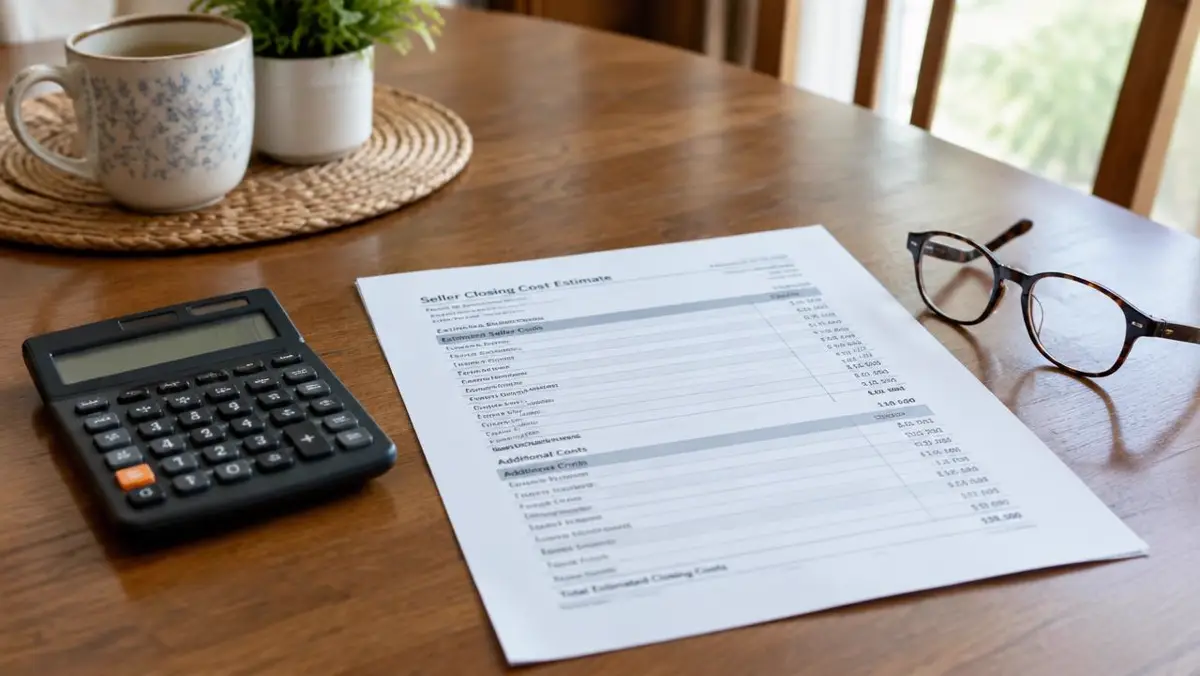
- Include selling costs (agent commissions, certain fees) in the calculation
- Time the sale to secure long-term treatment or a favorable tax year
- For investment property, explore a 1031 exchange
Knowing your likely tax also helps you understand your true net proceeds — pair this with our breakdown of how much it costs to sell a house.
A Simple Worked Example
Suppose a married couple bought their home for $300,000, spent $50,000 on a qualifying kitchen and bath remodel over the years, and sold for $700,000 with $45,000 in selling costs (commissions and fees). Their math looks like this:
- Adjusted cost basis: $300,000 + $50,000 improvements = $350,000
- Amount realized: $700,000 − $45,000 selling costs = $655,000
- Gain: $655,000 − $350,000 = $305,000
Because they're married filing jointly and meet the 2-of-5-year test, they can exclude up to $500,000 of gain. Their $305,000 gain is fully covered — they owe no capital gains tax. Notice how the $50,000 in documented improvements and the $45,000 in selling costs both shrank the gain. Without those records, their taxable gain calculation would have looked much larger.
Figures are illustrative only; your situation and current tax law may differ — confirm with a CPA.
The Documentation That Protects You
The single best thing you can do is keep records: purchase closing statement, receipts for capital improvements (not routine repairs), and your sale closing costs. These raise your basis and lower any taxable gain. This matters most for long-held homes with large equity, inherited property, or a home that was ever a rental. When in doubt, a short consultation with a tax professional before you sell is far cheaper than an avoidable tax bill after.
When a cash sale may not be your best option
A cash sale trades some price for speed and certainty, and that trade isn't right for everyone. If your home is move-in ready, you have three or more months before you need to move, and your goal is the highest possible price, listing with a good agent will often net more. The same is true in a low-inventory market where updated homes draw multiple offers. Run both numbers side by side — our cash vs. listing comparison and closing cost calculator show the math — and choose the path with the better net for your timeline. SilverCrest Estates will tell you plainly when listing looks like the better fit.
Improvements that raise your basis
Your cost basis isn't just the purchase price. It includes many closing costs from your purchase and the cost of capital improvements, which add value or extend the home's life. Common examples:
- A new roof, windows, or siding.
- A remodeled kitchen or bathroom.
- An addition, deck, or finished basement.
- New HVAC, water heater, or electrical panel.
- Landscaping, fencing, or a driveway.
Routine repairs and maintenance, like repainting a room or fixing a leak, generally don't count. Keep receipts for improvements; a higher basis means a smaller taxable gain.
Partial exclusions for unexpected moves
If you haven't met the two-year rules but sold because of a job change, health reasons, or certain unforeseeable events, you may qualify for a reduced exclusion based on how long you did live there. IRS Publication 523 explains the safe harbors.
What gets reported to the IRS
The title company or closing attorney may file Form 1099-S reporting the sale. Even if your gain is fully excluded, keep your closing statement and improvement records in case questions come up. If you can't exclude all of the gain, you'll report it on your tax return. A tax professional can confirm whether you need to report the sale and how.
State taxes
Many states also tax capital gains as regular income, though some have no income tax at all. Include your state's rules when estimating what you'll keep.
What to do this week
Find your closing statement from when you bought the home, and gather receipts for major improvements. Add them up to estimate your basis. Subtract that and your expected selling costs from your likely sale price. If the result is below your exclusion amount and you meet the two-year rules, you may owe no federal tax. If it's close or above, schedule a call with a tax professional before you sell, since timing can change the outcome.
Key points to remember
- Most homeowners owe no tax thanks to the home sale exclusion.
- You generally need two years of ownership and use in the last five.
- Improvements raise your basis and reduce taxable gain.
- Partial exclusions exist for job, health, and unforeseen moves.
- Keep closing statements and receipts for your records.
The Bottom Line
Most homeowners selling a primary residence owe no capital gains tax because the $250k/$500k exclusion covers their profit. You're most likely to owe if the home wasn't your primary residence, your gain is very large, or you didn't meet the 2-of-5-year test. Run your specific numbers with a tax professional before you sell. And if you need a fast, straightforward sale, SilverCrest Estates provides a free cash offer with no commissions — see what your home is worth.
Frequently asked questions
Do I have to pay capital gains tax when I sell my house?
Often you don't. If the home was your primary residence for at least two of the last five years, IRS Publication 523 lets most single filers exclude up to $250,000 of gain and most married couples filing jointly up to $500,000. Gain above the exclusion, or on a property that wasn't your primary residence, is generally taxable. Confirm your specific situation with a tax professional.
Does selling to a cash buyer change how the sale is taxed?
No. The IRS treats a direct cash sale exactly like a financed sale — what matters is your cost basis, the sale price, and how long you owned and lived in the property. The difference is timing: a cash close can land the proceeds (and therefore the taxable event) in a specific tax year, which is worth planning around if you're near a year-end boundary.
What records should I keep for tax purposes after the sale?
Keep the closing disclosure, the original purchase settlement statement, and receipts for capital improvements — new roof, addition, HVAC replacement. Improvements raise your cost basis and reduce taxable gain, while routine repairs generally don't. Most tax advisors suggest holding these records for at least three years after you file the return covering the sale.
What does the selling process look like start to finish?
With SilverCrest Estates: you share the property details, we underwrite it and send a written offer (usually within 24 hours), we confirm condition with a brief walkthrough, then title work runs while you pick a closing date. You sign at the title company or remotely, and funds are wired the same day the deed records.
Sources & further reading
Primary sources we consulted for this article. Rules vary by state and change over time — always confirm against the original source.
- 1Publication 523: Selling Your Home
Internal Revenue Service
The IRS rules on the home-sale capital gains exclusion, cost basis, and what proceeds are taxable.
- 2Topic No. 701: Sale of Your Home
Internal Revenue Service
When a home sale has to be reported on your federal return and how the exclusion is applied.
- 3What to expect at closing
Consumer Financial Protection Bureau
The federal consumer-protection walkthrough of the closing appointment and documents.
- 4Topic 409, Capital Gains and Losses
Internal Revenue Service
How capital gains are classified and taxed.

About the author
Sarah Williams
Senior Real Estate Analyst
Sarah Williams works with the SilverCrest Estates acquisitions team, helping homeowners across 50+ US markets understand their options and close on their own timeline.
Disclaimer: This article is for general information only and is not legal, tax, or financial advice. Real estate rules vary by state and change over time. Consult a licensed attorney, tax professional, or financial advisor about your specific situation before acting.