Start here: this article is part of our selling your home collection. For the full picture, read our complete guide, How to Sell Your House Fast: The Complete Homeowner's Guide.
Pricing your home correctly from day one is the single most important factor in a fast, profitable sale. Price too high and the home sits, goes stale, and ultimately sells for less; price too low and you leave money on the table. Here's how to hit the number that attracts buyers quickly while protecting your return.
Pricing to sell fast
- 1
Pull comps
Sold homes in the last 3–6 months nearby
- 2
Adjust for condition
Subtract for needed repairs
- 3
Price at or just under market
Win the first two weeks of attention
- 4
Review after 14 days
Few showings = adjust price
Why the First Two Weeks Decide Everything
A new listing gets its biggest burst of attention in the first 10–14 days, when motivated buyers who've been watching the market see it fresh. Price it right and you capture that wave — sometimes with competing offers. Price it too high and you miss the audience entirely; by the time you cut the price, the listing looks stale and buyers wonder what's wrong with it. Momentum is everything, and it starts with the list price.
Start With Comparable Sales
The foundation of accurate pricing is comps — what similar nearby homes actually sold for recently (not what they're listed for). Focus on:
- Homes of similar size, age, and condition
- Sales within the last 3–6 months
- The same neighborhood or school zone
- Adjustments for meaningful differences (an extra bath, a renovated kitchen, a larger lot)
A CMA from an agent formalizes this, and a professional appraisal is the most rigorous version. For the full valuation picture, see how much is my house worth.
Avoid the Online-Estimate Trap
Automated estimates are a starting range, not a list price. They can't see your renovated kitchen or a failing roof, and their error margins widen where recent sales are sparse. Never anchor your price to an algorithm alone.
Pricing Strategies That Create Speed
- Price at market value to attract steady interest and fair offers.
- Price slightly below market to spark multiple offers and potentially sell above asking — a powerful tactic in active markets.
- Avoid "testing" a high price. Overpricing to "leave room to negotiate" usually backfires: fewer showings, longer days on market, and eventual cuts.
Mind the Search-Filter Bands
Buyers shop in price brackets (e.g., $300k–$350k). Pricing at $355,000 hides your home from everyone capping their search at $350,000. Pricing right at a round threshold can widen your audience instantly — a small adjustment with outsized reach.
Pricing at $355,000 hides your home from everyone capping their search at $350,000.
Watch the Signals After You List
- Lots of showings, no offers? The home shows or prices slightly high — a small cut may unlock it.
- Few showings at all? The price is off the market, or the photos aren't landing.
- Sitting past ~30 days? Reassess quickly before the listing goes stale and invites lowball offers.
Overpricing is one of the most costly selling mistakes — reacting fast to the market's feedback protects your outcome.
How Cash Buyers Price
A cash offer works differently: the buyer starts from after-repair value, subtracts repairs, holding, and transaction costs, and leaves a margin. You trade some price for speed and certainty — no showings, no financing risk, and a firm close. For a home that needs work or a seller who needs speed, that certainty can be worth more than a higher listing that may never close. Every dollar of value you protect is equity in your pocket.
Common Pricing Mistakes and How to Avoid Them
Even sellers with a good home undercut themselves with these avoidable errors:
- Pricing on emotion or what you "need." Buyers pay market value, not your payoff amount or renovation memories. Anchor to comps, not feelings.
- Padding the price "to leave room to negotiate." Overpricing suppresses showings during your most valuable window; you end up chasing the market down and netting less.
- Trusting a single online estimate. AVMs can't see condition; use them only as a starting range and confirm with a CMA or appraisal.
- Ignoring search-filter bands. Listing at $505,000 hides you from every buyer capping at $500,000. Price at the threshold.
- Refusing to react to feedback. Lots of showings but no offers means you're close; few showings means the price (or the photos) is off. Adjust within the first few weeks, before the listing goes stale.
- Chasing the market down. Serial small price cuts signal weakness. One decisive, correct price beats five reluctant reductions.
Speed and Certainty as Part of "Price"
Remember that the highest list price and the best outcome aren't always the same. A slightly lower cash offer with no financing contingency, no repairs, and a guaranteed close can net more than a higher financed offer that drags on or falls through — especially once you factor carrying costs during a long listing. When you compare options, weigh probability and speed of closing alongside the number itself, and protect the equity you've built.
When a cash sale may not be your best option
If your home shows well, your timeline is flexible, and getting top dollar matters more than speed or convenience, a traditional listing is often the better choice. Sellers in strong markets with updated homes usually do best on the open market. A direct sale to SilverCrest Estates fits when you value a set closing date, no showings, and no repairs more than squeezing out the last few thousand dollars. See the trade-offs side by side on our cash vs. listing comparison.
A quick pricing worksheet
- List three to five comparable sales from the last six months, within a mile, similar in size and age.
- Note each sale price, square footage, condition, and days on market.
- Adjust: add value for features yours has that the comp didn't, subtract for the reverse.
- Check active and pending listings; these are your competition.
- Set your price just below a common search threshold (for example, $299,900 rather than $305,000).
- Decide in advance how long you'll wait before adjusting, often two to three weeks without offers.
If you need certainty instead of a strategy, a written cash offer gives you a floor to compare against.
Pricing a home that needs work
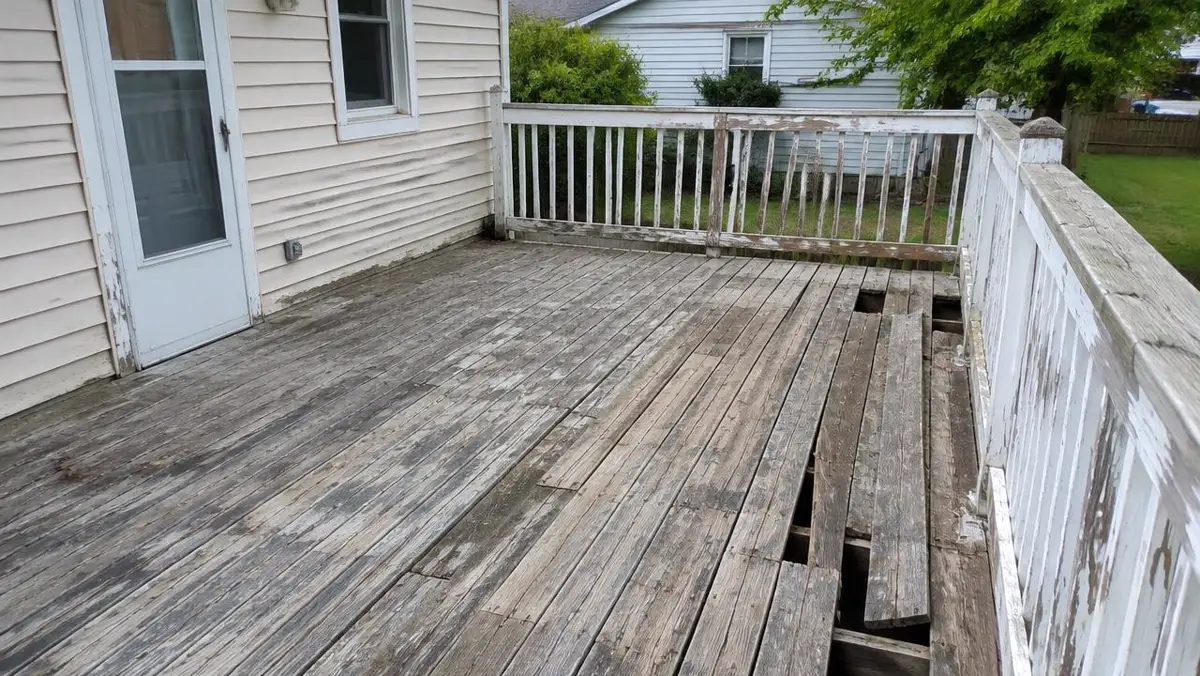
Comparable sales only help if they match condition. If your home needs a new roof and kitchen, compare it to other homes that sold in similar condition, not to renovated ones nearby. Many sellers overprice fixers by assuming buyers will see the potential. Most financed buyers can't, because their lender's appraisal and inspection will flag the same problems. If you'd rather not guess, a cash buyer's written offer shows what the house is worth as it stands today.
What a price cut signals
A reduction after a few weeks tells buyers the seller is motivated, which can bring offers, but also invites lower ones. A single, meaningful cut usually works better than several small ones.
What to do this week
Pull the last six months of sold homes within a mile that match yours in size and condition. Look at their days on market, not just price. Check active listings that will compete with yours. Then pick a price slightly below the nearest search threshold. Decide now how long you'll wait before adjusting, and stick to it. If speed matters more than price, request a cash offer at the same time so you have a guaranteed fallback.
Key points to remember
- The first two weeks on market matter most.
- Use recent sold homes in similar condition as your guide.
- Price just below common search thresholds.
- Decide in advance when you'll adjust the price.
- A cash offer can serve as a guaranteed fallback.
The Bottom Line
Price from real comps, not emotion or an online estimate; use the first two weeks by pricing at or just below market; mind the search-filter bands; and respond quickly to the market's signals. Do that and your home sells faster and for more. If you'd rather skip pricing games entirely, SilverCrest Estates gives you a firm, no-obligation number and a guaranteed close — request a free offer and compare.
Frequently asked questions
How do cash buyers decide what to offer?
We start from after-repair value based on recent comparable sales, subtract the cost to bring the property to market condition, subtract holding and transaction costs, and leave a margin. That's why offers on well-maintained homes come in closer to retail than offers on properties needing major work — the repair number is doing most of the work.
Why is an online estimate different from a real offer?
Automated estimates use public records and past sales, so they can't see a new kitchen, a failing foundation, or a shared driveway. They also carry a published margin of error that widens in neighborhoods with few recent sales. Treat them as a starting range and get a real underwritten number before making a decision.
Should I get an appraisal before selling?
Usually not necessary for a direct sale, since our own underwriting produces the number. A pre-listing appraisal can help when a property is unusual, when heirs or a court need an independent figure, or when you're documenting value for tax purposes. The FHFA House Price Index is a useful free check on how your market has moved.
How fast can a home sale actually close?
A cash purchase can close in as little as 21 days once title is clear, because there's no loan underwriting, appraisal contingency, or lender timeline. A financed sale usually runs 30 to 45 days from accepted offer, on top of however long the home sits on the market first — NAR tracks that days-on-market figure nationally.
Sources & further reading
Primary sources we consulted for this article. Rules vary by state and change over time — always confirm against the original source.
- 1House Price Index
Federal Housing Finance Agency
Quarterly, government-published home-price movement by state and metro area.
- 2Appraisals and home valuations
Consumer Financial Protection Bureau
How lenders value a property and what happens when an appraisal comes in low.
- 3Housing statistics and existing-home sales
National Association of Realtors
Industry benchmarks for days on market, sale-to-list ratios, and buyer behavior.

About the author
Sarah Williams
Senior Real Estate Analyst
Sarah Williams works with the SilverCrest Estates acquisitions team, helping homeowners across 50+ US markets understand their options and close on their own timeline.
Disclaimer: This article is for general information only and is not legal, tax, or financial advice. Real estate rules vary by state and change over time. Consult a licensed attorney, tax professional, or financial advisor about your specific situation before acting.