Start here: this article is part of our distressed sales collection. For the full picture, read our complete guide, Can You Sell a House With Foundation Problems? Your Complete Guide.
Quick answer: Yes, you can sell a house with a lien on it. Liens are paid from the sale proceeds at closing, the creditor signs a release, and the buyer gets clean title. If the liens add up to more than the sale price, many creditors will negotiate a lower payoff. SilverCrest Estates buys houses with liens for cash and works the payoffs with the title company for you.
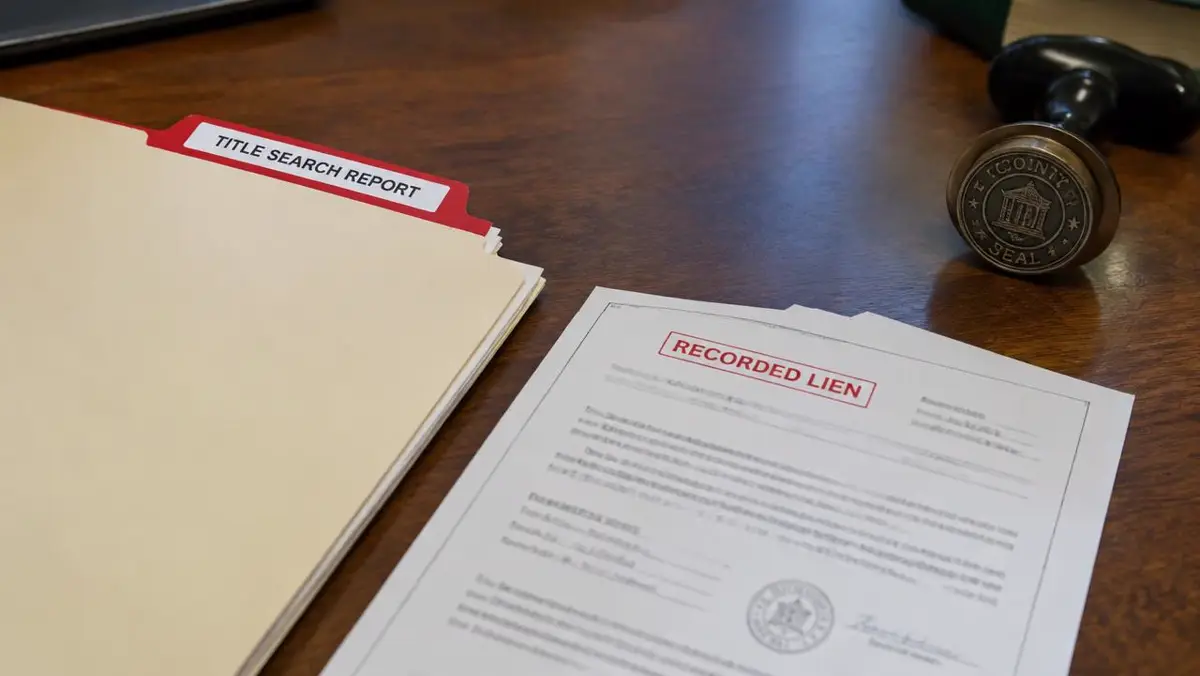
A lien is a legal claim against your property for a debt. It doesn't mean you lose the house, and it doesn't stop you from selling. It means the creditor gets paid before you do when the house sells.
The common types of liens
Liens you might find on a title report
| Lien type | Who files it | How it's usually resolved at sale |
|---|---|---|
| Mortgage / HELOC | Your lender | Paid in full from proceeds |
| Property tax lien | County | Paid first — it has top priority |
| Judgment lien | A creditor who sued and won | Paid or negotiated from proceeds |
| Federal tax lien | IRS | Paid, or IRS issues a discharge certificate |
| Mechanic's / contractor lien | Unpaid contractor or supplier | Paid, negotiated, or challenged if invalid |
| HOA lien | Homeowners association | Paid with fees from proceeds |
| Child support lien | State agency | Paid from proceeds |
Liens are generally paid in order of priority. Property tax liens usually come first regardless of when they were filed; most others follow the order they were recorded.
How a lien gets paid at closing
You don't have to come up with cash before the sale. The title company:
- Runs a title search and finds every recorded lien.
- Requests payoff letters from each creditor showing the exact amount owed through the closing date.
- Pays each lienholder from the proceeds at closing.
- Records a release so the lien comes off the title.
- Sends you whatever remains.
Where the money goes: illustrative $240k sale
When the liens are bigger than the equity
This is where many sellers get stuck. If the house sells for less than everything owed, you have options:
- Negotiate a reduced payoff. Judgment creditors and contractors often accept less than the full amount because getting paid now beats waiting years. Get any agreement in writing.
- Ask the IRS for a certificate of discharge. The IRS can release its lien from a specific property, especially if it would receive nothing anyway or gets paid what the property's equity covers (Form 14135).
- Challenge invalid liens. Mechanic's liens have strict filing deadlines and notice rules. A lien filed late or for work never done may be removable.
- Check homestead protections. Many states shield some or all of a primary residence's equity from certain judgment liens.
- Consider a short sale if the mortgage itself is underwater. See how to avoid foreclosure for that path.
Why liens make a traditional listing harder
A financed buyer's lender won't fund until the title is clear, so every payoff and release has to arrive on time. Negotiations with several creditors can push closing past the buyer's rate lock, and the deal falls apart. A cash buyer can wait on a negotiation without a lender deadline, and buys the house in its current condition, which matters because lien problems often come with deferred repairs.
Steps to take this week
- Order or request a title report to see every lien and its amount. Don't rely on memory.
- Call each creditor and ask for a current payoff letter.
- Check for errors: paid-off debts still recorded, liens filed against the wrong person, expired judgments.
- Talk to an attorney about homestead exemptions and invalid liens; this can be worth thousands.
- Get a no-obligation offer to see whether the equity covers everything. Our liens and judgments page explains how we coordinate payoffs, and behind on property taxes covers tax liens specifically.
A lien is a math problem, not a wall. Once you know the numbers, there is almost always a path to a clean sale.
When a cash sale may not be your best option
Selling isn't the only way out of a financial squeeze. If the problem is temporary, a loan modification, repayment plan, forbearance or refinance may let you keep the home — a HUD-approved housing counselor can review those options for free. If you have plenty of equity and enough time before any deadline, listing may also net more. A cash sale is the right fit when the deadline is close, the house needs work, or you simply want a clean, certain exit. Compare your options on our cash vs. listing page.
It doesn't mean you lose the house, and it doesn't stop you from selling.
Example: how the proceeds get split
Here's a simplified look at a sale with several liens, the kind of settlement statement a title company prepares.
| Item | Amount |
|---|---|
| Sale price | $240,000 |
| First mortgage payoff | −$142,000 |
| Unpaid property taxes (county) | −$6,300 |
| Contractor's mechanic's lien | −$9,800 |
| Credit card judgment lien | −$7,400 |
| Title, recording, and closing costs | −$1,500 |
| Paid to seller | $73,000 |
Order matters. Property tax liens generally come first, then recorded liens in the order they were filed, with some exceptions set by state law. The title company sends each lienholder its payoff directly, and lienholders sign releases so the buyer receives clean title.
Negotiating lien payoffs
You don't always have to pay a lien in full. Some lienholders will accept less, especially when they'd otherwise get nothing:
- Judgment creditors sometimes accept a reduced lump-sum payoff, particularly on older debts.
- Contractors may settle a disputed mechanic's lien rather than go to court.
- Medical liens are often negotiable.
- IRS federal tax liens can't simply be negotiated down, but the IRS has procedures to discharge a lien from a specific property (Form 14135) when it gets the value it's entitled to.
Get any reduced payoff agreement in writing, and send it to your title company. Talk to an attorney before negotiating large or disputed liens.
Liens that may not be valid
Sometimes a lien shouldn't be there at all. Check for:
- Paid-off debts where the creditor never filed a release.
- Expired judgment liens; many states limit how long a judgment lien lasts unless renewed.
- Mechanic's liens filed too late under your state's deadlines.
- Mistaken identity, where a lien belongs to someone with a similar name.
A title company can often clear these with documentation, or an attorney can file to remove them. Order a title search early so you have time to fix problems before closing.
Start with a title search
The single best step this week is ordering a preliminary title report. It lists every recorded lien, so you can request payoffs and see whether your sale will cover them. If liens are larger than your equity, you'll know early and can plan a short sale, a negotiation, or another option. Our liens and judgments page explains how we handle these sales.
Liens and a direct sale
A direct buyer works with the title company to pay liens from your proceeds at closing, so you don't need to pay them out of pocket beforehand. Share what you know about liens early so the offer and closing date account for them.
What to do this week
Order a preliminary title report or call your county recorder to see recorded liens. Request a payoff letter for each. Add them to your mortgage payoff and compare the total to your likely sale price. If you have enough equity, liens can be paid at closing. If not, talk to a real estate attorney about negotiating payoffs or a short sale before signing a contract.
Key points to remember
- Most liens are paid from sale proceeds at closing.
- Order a title search early to find every lien.
- Some liens can be negotiated or are no longer valid.
- Liens larger than equity need a plan before listing.
- Get any reduced payoff in writing.
Frequently asked questions
Can I sell my house if there is a lien on it?
Yes. The lien is paid from the sale proceeds at closing, the creditor records a release, and the buyer receives clear title. You generally don't need to pay the lien before the sale, as long as the proceeds cover it or the creditor agrees to a reduced payoff.
What happens if the liens are more than my house is worth?
You can ask creditors to accept a reduced payoff, request an IRS certificate of discharge for a federal tax lien, challenge liens that were filed improperly, or pursue a short sale if the mortgage is underwater. Get every reduction agreement in writing before closing.
How do I find out what liens are on my property?
Order a title search from a title company or search the county recorder's office records for your property. The title report lists recorded mortgages, judgments, tax liens, mechanic's liens, and HOA liens along with who filed them.
Can a cash buyer purchase a house with an IRS lien?
Yes. The IRS lien is paid from proceeds at closing, or the IRS can issue a certificate of discharge releasing the property. A cash buyer can wait for that process without a lender deadline, which makes these sales more likely to close.
Sources & further reading
Primary sources we consulted for this article. Rules vary by state and change over time — always confirm against the original source.
- 1Publication 783: Instructions on How to Apply for a Certificate of Discharge
Internal Revenue Service
How the IRS releases a federal tax lien from a specific property being sold.
- 2Lien
Legal Information Institute, Cornell Law School
Definition of liens and how they attach to real property.
- 3Find a HUD-approved housing counselor
U.S. Department of Housing and Urban Development
Free or low-cost counseling before a major housing decision.

About the author
Jennifer Martinez
Real Estate Transaction Specialist
Jennifer Martinez works with the SilverCrest Estates acquisitions team, helping homeowners across 50+ US markets understand their options and close on their own timeline.
Disclaimer: This article is for general information only and is not legal, tax, or financial advice. Real estate rules vary by state and change over time. Consult a licensed attorney, tax professional, or financial advisor about your specific situation before acting.