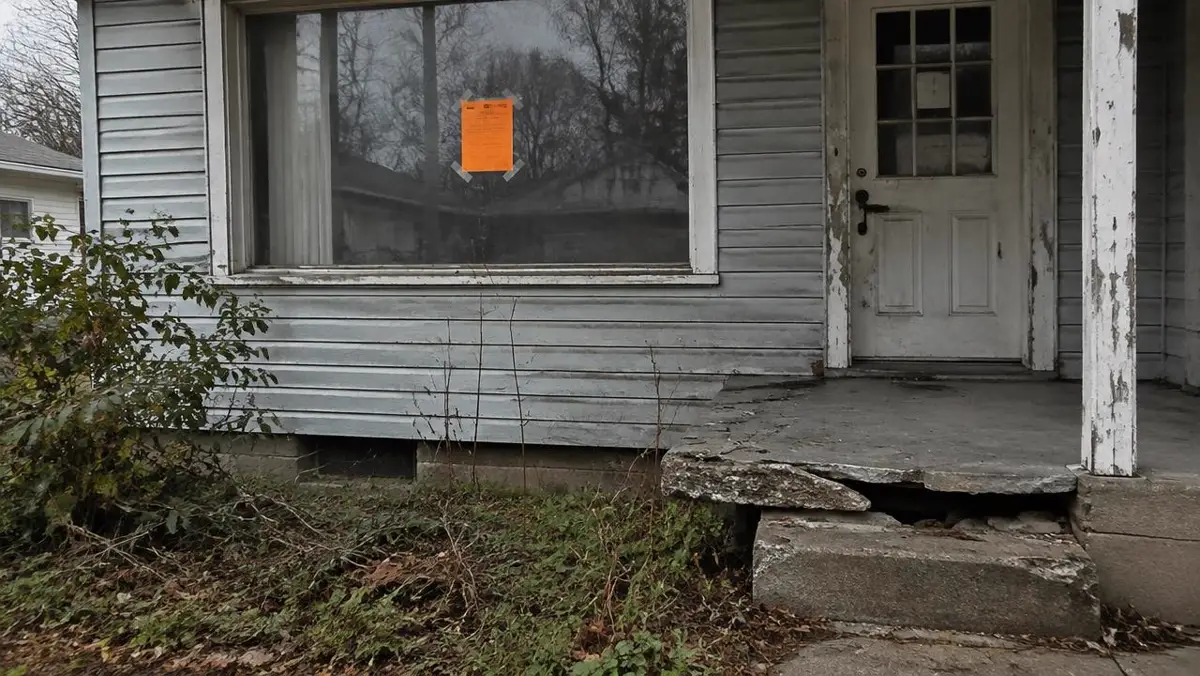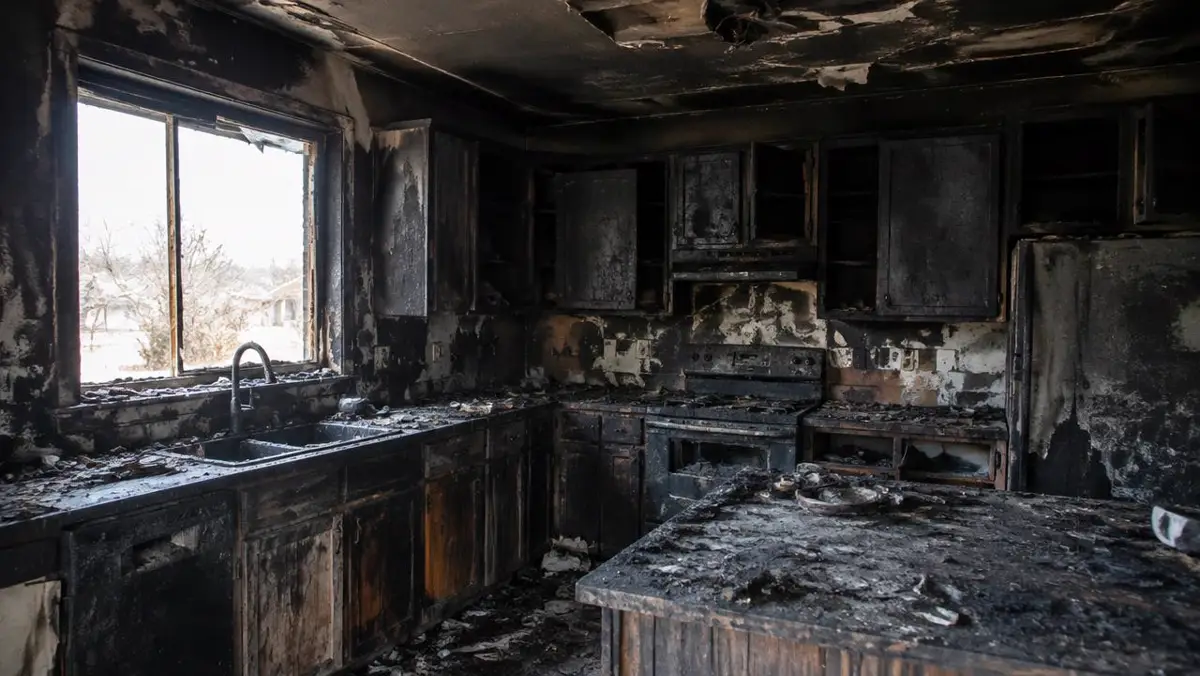
Yes, you can sell a house with foundation problems — thousands of them sell every year. But foundation issues scare buyers and lenders more than almost any other defect, so your approach matters. Here's how to sell a home with foundation damage and still get a fair outcome.
Foundation problems: what each path looks like
| Path | Cost to you | Time | Notes |
|---|---|---|---|
| Engineer report + repair, then list | Repair cost | Months | Restores financing options |
| List with disclosure | Price reduction | Often longer | Many lenders require repair |
| Direct cash sale as-is | None up front | As little as 21 days | No lender or appraisal needed |
First, Understand the Severity
"Foundation problem" covers a wide range, from minor cosmetic cracks to serious structural failure. Before deciding anything, get a professional assessment:
- A structural engineer's report ($400–$700) tells you exactly what's wrong and what it costs to fix — far more credible to buyers than a repair company's free "estimate."
- A repair estimate from a foundation contractor gives you the fix cost.
The gap between "hairline settling cracks" and "the foundation is failing" changes your entire strategy, so start with facts, not fear.
Why Foundation Issues Complicate a Sale
- Financing falls through. Many mortgage lenders won't approve a loan on a home with known structural problems until they're repaired — which removes most financed buyers from your pool.
- Appraisals suffer. An appraisal will reflect the defect and can come in low.
- Buyers fear the unknown. Even minor issues make buyers imagine worst-case costs.
This is why homes with real foundation problems often gravitate toward cash and investor buyers.
Your Options
Option 1 — Sell as-is to a cash buyer (fastest)
Investors and direct buyers purchase homes with foundation damage routinely. You sell as-is, skip the repair, and close in days. Ideal when the repair is expensive, financing is off the table, or you don't want the hassle. You'll trade some price for speed — see can I sell my house as-is without repairs.
Option 2 — Repair, then sell traditionally
If the fix is affordable and you have time, repairing first opens the home to financed buyers and can net more. Keep the engineer's report, permits, and the repair warranty — a transferable warranty is a powerful reassurance to the next buyer.
Option 3 — Offer a repair credit
Sell without fixing it, but offer the buyer a concession toward the repair. This works with cash or renovation-loan buyers but usually not standard financed buyers.
You Must Disclose Foundation Problems
Foundation issues are a material defect you're legally required to disclose in nearly every state. Hiding them invites lawsuits after closing. Disclose upfront with your documentation — it builds trust and filters for buyers who can actually close. See required seller disclosures.
Yes, you can sell a house with foundation problems — thousands of them sell every year.
Pricing a Home With Foundation Damage
Buyers price from after-repair value minus the full repair cost and a risk premium. Pull comparable sales of sound homes nearby, subtract the engineer's repair figure, and price realistically. Overpricing a structurally compromised home is the fastest way to have it sit unsold.
What Reassures Buyers About Foundation Repairs
If you do repair the foundation before selling, the documentation you keep is what turns a scary defect into a non-issue for the next buyer:
- The structural engineer's report describing the original problem and confirming the fix
- The contractor's scope of work and permits showing the repair was done properly and inspected
- A transferable warranty — many foundation repairs come with a lifetime, transferable warranty, which is one of the single most reassuring things a buyer can receive
Buyers fear the unknown more than the problem itself. A repaired foundation with a transferable warranty and an engineer's sign-off often sells nearly as well as a comparable home that never had an issue, because the uncertainty is gone.
Selling As-Is Without Losing Your Shirt
If you sell as-is instead, the same principle applies in reverse — transparency wins. Provide the engineer's report and repair estimate to serious buyers so they can price the risk accurately rather than assuming the worst. Investors and cash buyers underwrite foundation repairs every week; giving them real numbers usually produces a better offer than leaving them to guess conservatively. And because a direct cash offer removes the lender that would otherwise block financing on a structurally compromised home, it's frequently the only path that actually closes without you fixing the foundation first. Weigh the certainty of that against the time and cost of repairing and re-listing — for many owners with major structural damage, the as-is route nets more once carrying costs and repair risk are counted.
When a cash sale may not be your best option
If the repairs are small (paint, fixtures, a minor roof patch) and you have the cash and time to finish them, fixing up and listing can return more than the repair cost. That's also true when the house is in a neighborhood where updated homes sell quickly at a premium. A cash, as-is sale makes the most sense when repairs are large, uncertain, or you'd have to borrow for them. Compare an as-is cash offer with listing using real contractor bids — not guesses — before you decide.
Signs of foundation trouble
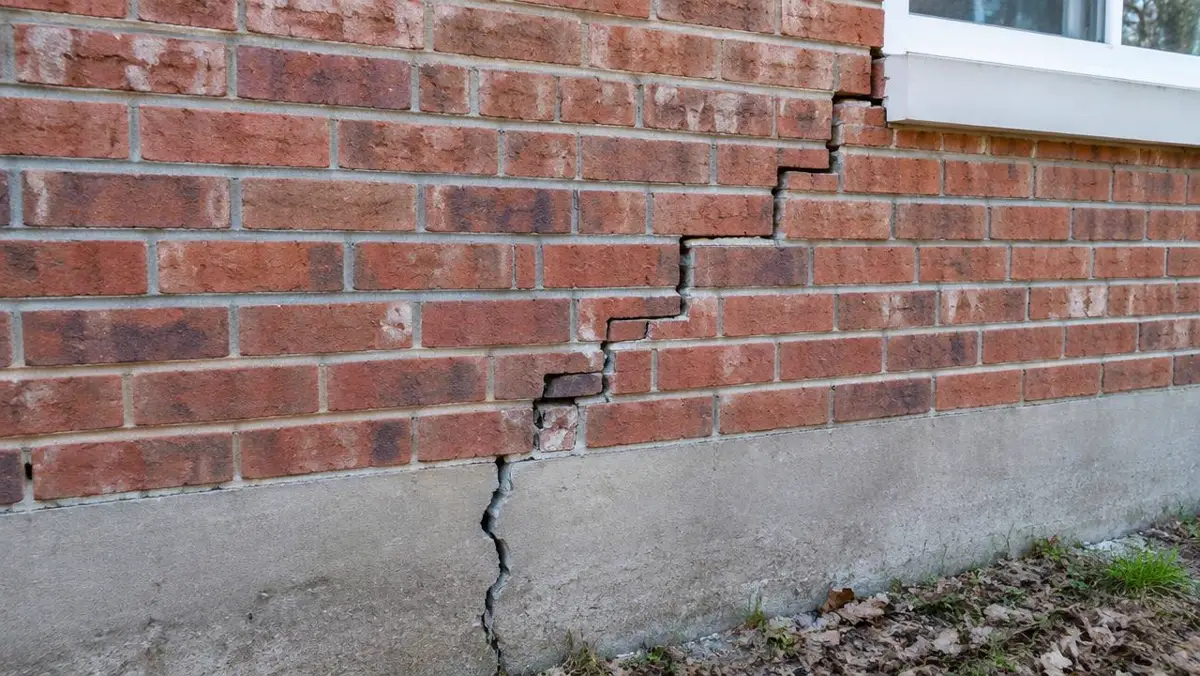
- Cracks in walls, especially diagonal cracks from door and window corners.
- Doors and windows that stick or won't latch.
- Sloping or uneven floors.
- Gaps between walls and ceilings or around trim.
- Exterior cracks in brick or stair-step cracks in block.
- Water in the basement or crawlspace.
Some cracks are normal settling. A structural engineer's report, not a contractor's sales pitch, tells you which you have. Engineers don't sell repairs, so buyers trust their reports more.
Repair methods buyers ask about
Common fixes include piers to stabilize settling foundations, wall anchors or bracing for bowing basement walls, crack injection, and drainage improvements. If you repair, ask for a transferable warranty; it's one of the strongest reassurances you can offer a buyer.
How foundation problems affect financing
Lenders and appraisers look for signs of structural trouble. If an appraiser notes significant cracking or movement, the loan may be conditioned on an engineer's report or completed repairs. FHA and VA loans in particular have property standards about structural soundness. That's why foundation problems narrow your buyer pool: many financed buyers simply can't close until repairs are made.
Questions to ask a repair contractor
- What's causing the movement: soil, drainage, plumbing leaks, or original construction?
- What exactly will you install, and how many piers or anchors?
- Is the work permitted and inspected?
- Is the warranty transferable to a future owner, and is there a fee to transfer it?
- What happens if movement continues after repair?
Get at least two bids and compare them against the engineer's recommendations.
Selling with an engineer's report in hand
Even if you don't repair, an engineer's report helps you sell. It defines the problem, gives buyers a professional opinion instead of a scary guess, and lets cash buyers price the repair precisely. Share it upfront. SilverCrest Estates buys homes with foundation issues as-is; you can request an offer and attach any reports you have.
What to do this week
Hire a licensed structural engineer for an independent evaluation. Get two repair bids based on the engineer's report. Check whether the problem is tied to drainage or plumbing you can fix cheaply. Then compare repair-and-list against selling as-is with the report in hand.
Key points to remember
- Get an independent structural engineer's report.
- Foundation issues can block financed buyers' loans.
- Transferable repair warranties reassure buyers.
- Disclose known problems honestly.
- Cash buyers can purchase as-is with the report in hand.
Rule out termite damage in the framing
Sagging floors near the foundation are not always a foundation problem; damaged sill plates and joists can look similar. Our guide to selling a house with termite damage explains the inspection report and repair quotes to get first.
The Bottom Line
You can absolutely sell a house with foundation problems — the question is whether to fix it first or sell as-is. If the repair is minor and affordable, fixing it opens up more buyers. If it's major, expensive, or you need speed, an as-is cash offer from a buyer who handles structural repairs is often the cleanest path. SilverCrest Estates buys homes with foundation and structural issues in any condition — request a free, no-obligation offer.
Frequently asked questions
Do I need to make repairs before selling?
Not for a direct sale — we buy as-is and price the condition into the offer. For a traditional listing it's a judgment call: cosmetic work like paint and landscaping usually returns more than it costs, while major systems (roof, foundation, sewer) rarely return their full cost and can take months to schedule. Run the numbers before you spend.
What do I have to disclose about the property's condition?
Nearly every state requires sellers to disclose known material defects, and federal law requires a lead-based paint disclosure for homes built before 1978. Selling as-is limits your obligation to repair — it does not remove the duty to disclose what you know. When in doubt, disclose it in writing and keep a copy.
Will a low appraisal or inspection kill my sale?
It can in a financed sale: if the appraisal comes in under contract price the lender will only fund to the appraised value, and inspection findings often reopen negotiations. A cash purchase removes the lender from the equation, so the condition affects the offer up front rather than derailing the deal three weeks in.
Can I still sell my house if foreclosure has already started?
Usually yes. Until the foreclosure sale is actually completed, most homeowners retain the right to sell and pay off the loan from the proceeds. The practical constraint is time: your servicer will quote a reinstatement or payoff amount with an expiration date, so the sale has to close before the scheduled auction. HUD-approved counselors can help you confirm the deadline at no cost.
Sources & further reading
Primary sources we consulted for this article. Rules vary by state and change over time — always confirm against the original source.
- 1Home improvement and energy-savings guidance
U.S. Department of Energy
Which upgrades actually reduce operating costs, useful when weighing pre-sale repairs.
- 2Lead-based paint disclosure requirements
U.S. Environmental Protection Agency
Federal disclosure obligations for homes built before 1978.
- 3Avoiding Foreclosure
U.S. Department of Housing and Urban Development
HUD's official options for homeowners behind on payments, including free housing counseling.
- 4Lead-Based Paint Disclosure Rule for Real Estate
U.S. Environmental Protection Agency
Federal disclosure required for most homes built before 1978.

About the author
Michael Thompson
Home Selling Expert
Michael Thompson works with the SilverCrest Estates acquisitions team, helping homeowners across 50+ US markets understand their options and close on their own timeline.
Disclaimer: This article is for general information only and is not legal, tax, or financial advice. Real estate rules vary by state and change over time. Consult a licensed attorney, tax professional, or financial advisor about your specific situation before acting.