Start here: this article is part of our distressed sales collection. For the full picture, read our complete guide, Can You Sell a House With Foundation Problems? Your Complete Guide.
Quick answer: Yes, you can sell a house when you are behind on property taxes. The unpaid taxes, penalties, and interest are paid out of the sale proceeds at closing, and you keep what is left. SilverCrest Estates buys houses with tax delinquencies directly for cash and can close in as little as 21 days, which is often fast enough to beat a county tax sale date.
Falling behind on property taxes usually happens quietly. A mortgage gets paid off and the escrow account that used to cover taxes disappears. A parent passes away and nobody realizes the bill is still going to their old address. A job loss pushes the tax bill to the bottom of the pile. Then a letter arrives with the words "delinquent" or "notice of tax sale" and the clock suddenly feels very real.
The good news: a tax debt is attached to the house, not just to you. That means the house itself is usually the cleanest way to pay it off.
How property tax delinquency actually works
Every state runs its own system, but nearly all of them follow the same basic path:
- The bill goes unpaid. Penalties and interest start the day after the due date. In many counties interest runs 12% to 18% a year, which grows a debt faster than most credit cards.
- The county records a tax lien. The lien sits on the title. No buyer's title company will close until it is paid.
- The county moves to collect. Depending on your state, it either sells a tax lien certificate to an investor (who earns the interest) or sells the property itself at a tax deed sale.
- A redemption period may apply. Many states give owners a window to pay everything owed and keep the home, either before or after the sale. Lengths range from a few months to a few years, and some states have none after a deed sale.
The typical path from missed bill to tax sale
- 1
Missed due date
Penalties and interest begin
- 2
Delinquency notice
County mails formal notice to the owner of record
- 3
Lien recorded
Debt attaches to the title
- 4
Tax sale scheduled
Lien certificate or deed auction is advertised
- 5
Redemption window
If your state has one, the last chance to pay and keep equity
The exact timeline for your county is printed on the delinquency notice. If you have lost it, call the county treasurer or tax collector and ask two questions: What is my total payoff today? and What is the date of the next tax sale? Those two numbers decide everything else.
Why selling usually beats waiting
When a house goes to a tax deed sale, the opening bid is often set at roughly the amount of taxes owed. Some states return surplus money to the former owner; others have historically kept far more than the debt. In 2023 the U.S. Supreme Court ruled in Tyler v. Hennepin County that a county taking a home worth far more than the tax debt and keeping the difference violates the Constitution. That decision helped owners, but collecting surplus funds after an auction still means paperwork, deadlines, and waiting — and an auction rarely brings full market value.
Selling before the sale flips that around. You choose the price, the closing date, and you walk away with your equity in hand.
An example with real math
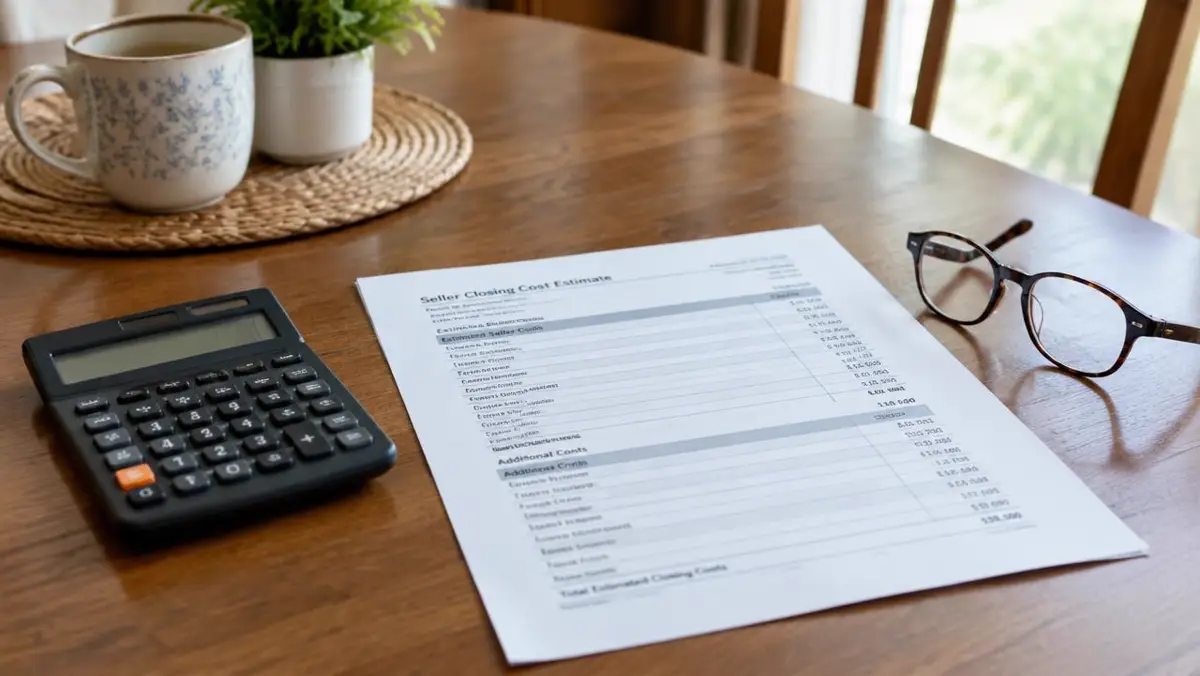
Imagine a house worth about $210,000 with no mortgage, and $14,600 in back taxes, penalties, and interest.
What the owner keeps under three outcomes (illustrative)
The listing path looks close on paper, but it requires the owner to find $14,600 up front, carry the house for months, and hope the buyer's inspection doesn't uncover repairs. For most people behind on taxes, that first requirement is exactly the problem.
How back taxes get paid at closing
This is the part most sellers don't know: you do not need to pay the taxes before you sell. The title company handles it.
- The title company orders a payoff statement from the county showing the exact amount owed through the closing date.
- At closing, that amount is wired straight to the county out of the sale proceeds — before you receive your check.
- The county releases the lien and the new owner gets a clean title.
- Any current-year taxes are also prorated, so you only pay for the days you owned the home.
If there is also a mortgage, the lender is paid the same way. Learn more in our guide on selling a house that still has a mortgage.
Imagine a house worth about $210,000 with no mortgage, and $14,600 in back taxes, penalties, and interest.
Your options, side by side
Ways to deal with delinquent property taxes
| Option | Cash needed now | How fast | Best for |
|---|---|---|---|
| Pay the full balance | All of it | Immediate | Owners with savings who want to stay |
| County payment plan | Down payment + monthly | Must stay current | Small balances, steady income |
| Refinance or HELOC | Closing costs | 30–60 days | Good credit and enough income to qualify |
| List with an agent | Repairs, prep, holding costs | 60–120 days | Move-in ready homes with time before the sale date |
| Sell directly for cash | None | As little as 21 days | Tight deadlines, repairs needed, inherited homes |
A payment plan is worth asking about first if you want to keep the house. Many counties offer installment agreements, especially for owner-occupied homes and seniors. Some states also have senior or disability tax deferral programs that let qualifying owners postpone taxes until the home is sold.
If keeping the house isn't realistic, the real question is how much time you have.
When the tax sale date is close
If the sale is weeks away, a traditional listing almost never works. An agent needs time to prep, list, show, accept an offer, and wait on a buyer's loan approval. A financed buyer's lender will also require the delinquent taxes to be resolved at closing — fine if closing happens in time, a disaster if it slips.
A direct cash sale removes those moving parts:
- No lender approval, so no appraisal or underwriting delays.
- No repairs or showings, which matters if the house has been neglected.
- A closing date you pick, scheduled to land before the county deadline.
When you request a cash offer, tell us the tax sale date on the very first call. We build the timeline backward from that date and coordinate the payoff directly with the county.
Inherited houses with back taxes
This comes up constantly. A parent's home sits empty during probate, nobody gets the tax bills, and two years of delinquency pile up. The executor or administrator generally has the authority to sell the home and pay the taxes from the proceeds once the court grants it. If the estate is still being opened, call the county anyway — some will note an estate in progress, and knowing the sale date helps the attorney prioritize. Our probate and inherited homes page walks through the court side.
Mistakes to avoid
- Ignoring certified mail. Notices are how the county proves you were warned. Read them.
- Paying a "tax relief" company upfront. Legitimate help rarely requires a fee before anything happens.
- Assuming the redemption period protects you. In some states it is short or doesn't exist after a deed sale.
- Signing a quitclaim deed to a stranger who promises to "take care of the taxes." You could give up all your equity.
- Waiting until the week of the sale. Even a fast closing needs a few days for the title search and county payoff.
What to do this week
- Find the delinquency notice or call the county for your payoff amount and sale date.
- Write down any mortgage balance and other liens.
- Decide whether keeping the house is realistic with a payment plan.
- If not, get a no-obligation offer so you know your number. You can read more about our process on the tax liens and back taxes page.
Behind on taxes is a deadline problem, not a dead end. The earlier you act, the more of your equity you keep.
When a cash sale may not be your best option
Selling isn't the only way out of a financial squeeze. If the problem is temporary, a loan modification, repayment plan, forbearance or refinance may let you keep the home — a HUD-approved housing counselor can review those options for free. If you have plenty of equity and enough time before any deadline, listing may also net more. A cash sale is the right fit when the deadline is close, the house needs work, or you simply want a clean, certain exit. Compare your options on our cash vs. listing page.
Frequently asked questions
Can I sell my house if I owe back property taxes?
Yes. Delinquent property taxes, penalties, and interest are paid from the sale proceeds at closing. The title company gets a payoff statement from the county, wires the money directly, and the lien is released so the buyer receives clean title. You do not need to pay the taxes out of pocket first.
How long do I have before the county sells my house for taxes?
It depends on your state and county. Some counties schedule a tax sale within one to two years of the first missed payment, others take longer, and redemption periods range from none to several years. Your delinquency notice lists the sale date, or the county treasurer can tell you over the phone.
Can I still sell after a tax lien certificate has been sold?
Usually yes. When a county sells a lien certificate, you still own the house during the redemption period. Selling lets you pay the certificate holder the redemption amount from the proceeds. Once a tax deed is issued, though, ownership may have passed, so act before that point.
Will I get any money back if my house goes to a tax deed auction?
Possibly, but it is not automatic. After the 2023 Supreme Court decision in Tyler v. Hennepin County, governments cannot simply keep equity beyond the debt, yet owners typically must file a claim for surplus funds within a deadline. Auctions also tend to sell below market value, so selling first usually leaves you with more.
Sources & further reading
Primary sources we consulted for this article. Rules vary by state and change over time — always confirm against the original source.
- 1Tyler v. Hennepin County, 598 U.S. 631 (2023)
Supreme Court of the United States
Ruling that a county may not keep home equity beyond the unpaid tax debt.
- 2Tax lien
Legal Information Institute, Cornell Law School
Plain-language definition of how a tax lien attaches to real property.
- 3What is an escrow or impound account?
Consumer Financial Protection Bureau
Why property taxes stop being paid automatically after a mortgage is paid off.

About the author
Sarah Williams
Seller Success Manager
Sarah Williams works with the SilverCrest Estates acquisitions team, helping homeowners across 50+ US markets understand their options and close on their own timeline.
Disclaimer: This article is for general information only and is not legal, tax, or financial advice. Real estate rules vary by state and change over time. Consult a licensed attorney, tax professional, or financial advisor about your specific situation before acting.