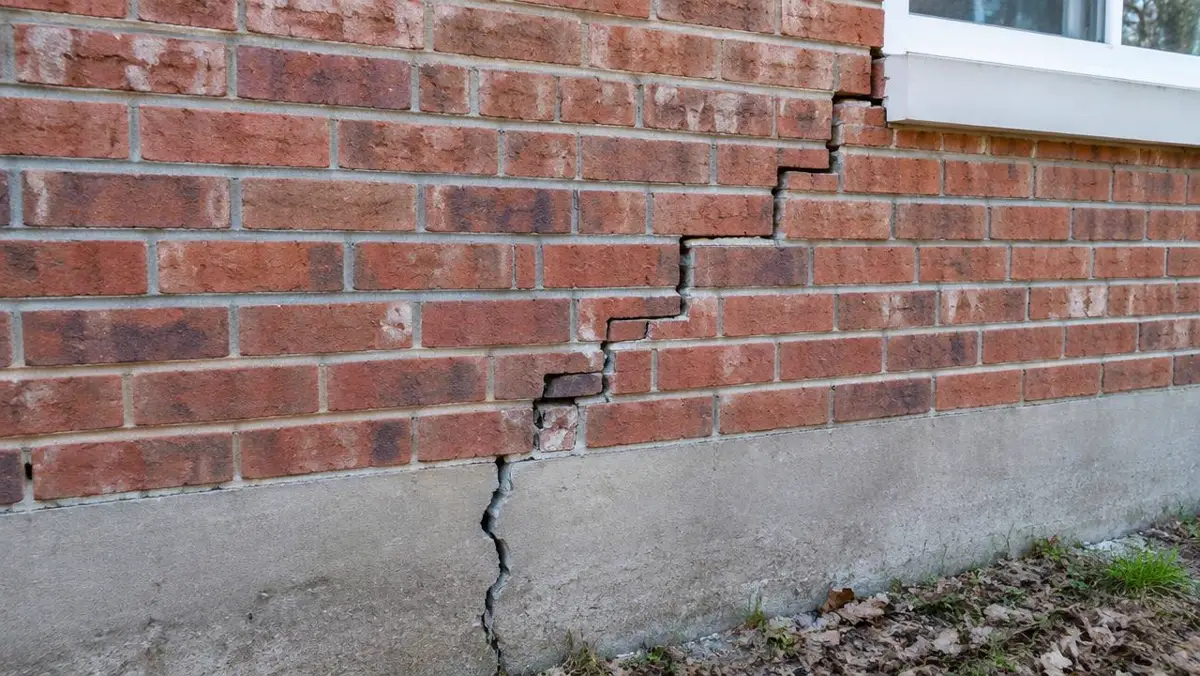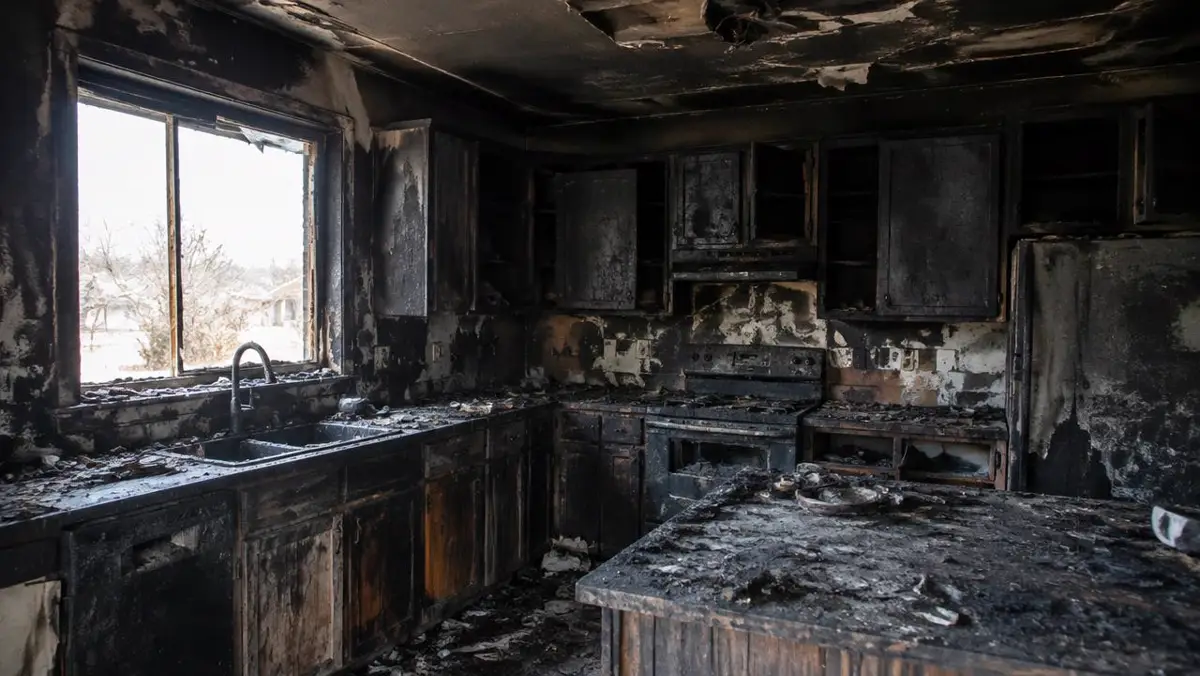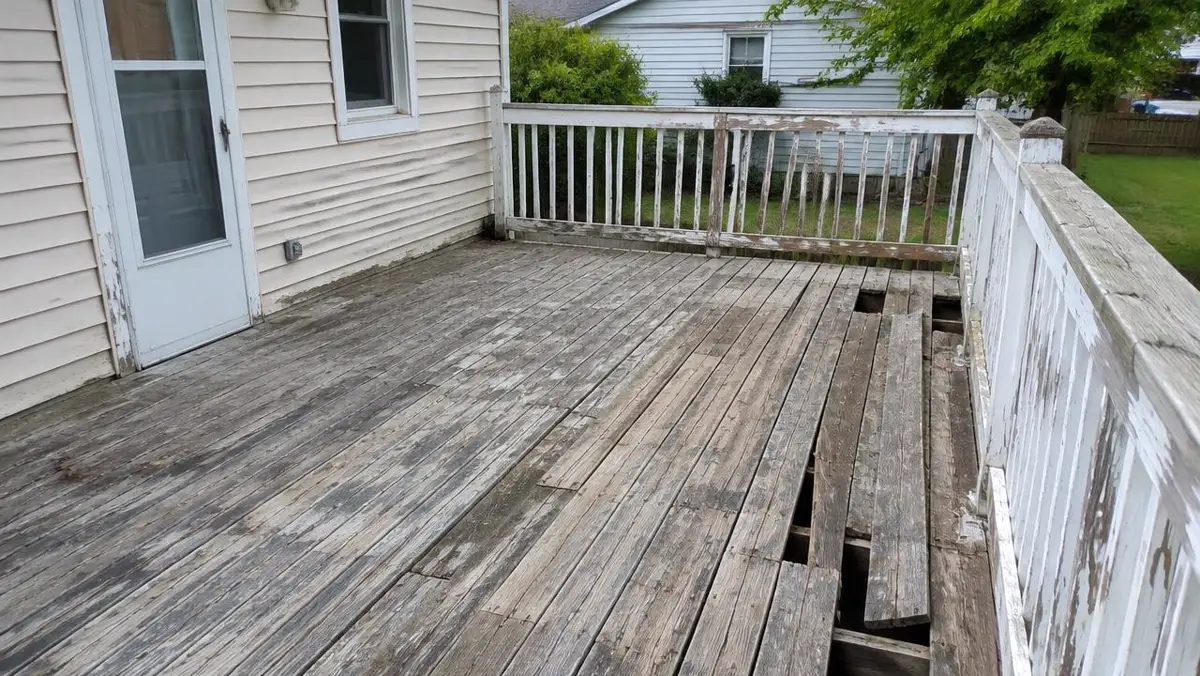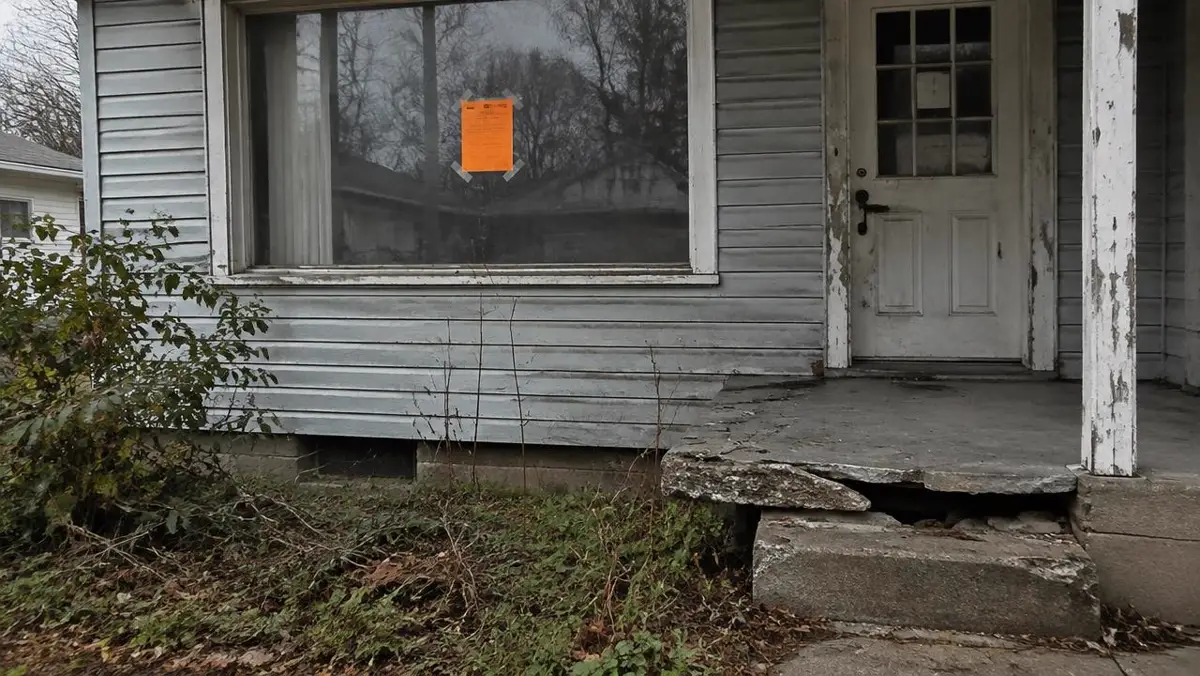
Start here: this article is part of our distressed sales collection. For the full picture, read our complete guide, Can You Sell a House With Foundation Problems? Your Complete Guide.
Discovering code violations on your property can feel overwhelming, especially when you want to sell. The good news? You have options, and selling with violations is more common than you might think.
Code violations: fix, disclose or sell as-is
| Option | Cost to you | Time | Good when |
|---|---|---|---|
| Fix and close permit | Repair + permit fees | Weeks to months | Minor, cheap fixes |
| Disclose and list | Price reduction | 60–120+ days | Buyer can still finance |
| Sell as-is for cash | None up front | As little as 21 days | Major or open violations |
Understanding Code Violations
What Are Code Violations?
Code violations occur when your property doesn't meet local building, housing, or safety codes:
Common Building Code Violations:
- Unpermitted additions or renovations
- Electrical work without permit
- Plumbing modifications
- Structural changes
- Improper egress
Housing Code Violations:
- Broken windows or doors
- Non-functioning HVAC
- Plumbing issues
- Pest infestation
- Unsafe conditions
Health and Safety Violations:
- Mold presence
- Lead paint hazards
- Asbestos concerns
- Fire safety issues
How Violations Are Discovered
- City/county inspection
- Neighbor complaints
- Failed permit inspections
- Real estate inspections
- Building permit research
Your Options for Selling
Option 1: Fix Violations Before Selling
Process:
- Get list of all violations
- Obtain permits for work
- Hire licensed contractors
- Pass re-inspection
- Obtain violation clearance
Pros:
- Property more marketable
- Higher sale price possible
- Cleaner title
Cons:
- Expensive ($5,000-50,000+)
- Time-consuming (weeks to months)
- May require vacancy during work
- Additional issues may surface
Option 2: Sell "As-Is" With Disclosure
Process:
- Disclose all known violations
- Price accordingly
- Market to investors
- Buyer assumes responsibility
Pros:
- Sell faster
- Avoid repair costs
- Transfer liability
Cons:
- Limited buyer pool
- Lower offers
- Some buyers walk away
Option 3: Sell to a Cash Buyer
Process:
- Contact buyer like SilverCrest Estates
- Receive offer (violations factored in)
- Close quickly
- Buyer handles violations
Pros:
- Fastest option
- No repairs required
- No permit hassles
- Guaranteed closing
- You're done
Cons:
- Offer reflects violation costs
Types of Buyers for Properties With Violations
Traditional Buyers
Challenges:
- Lenders may not finance
- Insurance may be problematic
- Buyers often afraid
- Most won't consider
Cash Investors
Why they buy:
- Know how to handle violations
- Have contractor relationships
- Factor repairs into offer
- Experience with permits
Specialized Cash Buyers
Companies like SilverCrest Estates:
- Regularly buy violation properties
- Understand true costs
- Quick closing process
- Handle all compliance
Discovering code violations on your property can feel overwhelming, especially when you want to sell.
How Violations Affect Financing
FHA Loans
- Property must meet minimum standards
- Most violations disqualify property
- Repairs required before closing
VA Loans
- Similar requirements to FHA
- Safety issues must be corrected
- Most violations problematic
Conventional Loans
- Varies by lender
- Major violations problematic
- May require reserves for repairs
Cash Purchases
- No lender requirements
- Buyer assumes responsibility
- Most flexible option
Calculating Your Sale Price
Traditional Sale (After Repairs)
| Factor | Amount |
|---|---|
| Home Value (no violations) | $250,000 |
| Repair Costs | -$30,000 |
| Permit/Inspection Fees | -$5,000 |
| Time Delay Costs | -$10,000 |
| Selling Costs (10%) | -$25,000 |
| Net Proceeds | $180,000 |
Cash Sale (As-Is)
| Factor | Amount |
|---|---|
| Cash Offer | $195,000 |
| Repair Costs | $0 |
| Selling Costs | $0 |
| Net Proceeds | $195,000 |
In this example, the cash sale nets more while closing faster.
Common Violation Scenarios
Unpermitted Additions
The problem: Room additions, enclosed porches, or ADUs built without permits.
Solutions:
- Apply for retroactive permits
- Remove unpermitted work
- Sell as-is (disclosed)
Reality: Retroactive permits often cost $10,000-50,000+ and may require bringing work up to current codes.
Electrical Issues
The problem: Non-code electrical, DIY work, outdated systems.
Solutions:
- Hire licensed electrician
- Update to current code
- Sell as-is
Costs: $2,000-15,000 depending on scope.
Unpermitted Bathroom/Kitchen
The problem: Added bathroom or kitchen without permits.
Solutions:
- Retroactive permitting
- Removal (rarely practical)
- Sell as-is
Consideration: Removing kitchen/bath significantly decreases value.
Working With the City
Understanding Your Situation
- Visit city/county building department
- Request violation history
- Get written list of requirements
- Understand timeline and penalties
Requesting Extensions
If you need time:
- Explain your situation
- Request extension in writing
- Show good faith progress
- Attend hearings if required
Fines and Penalties
Open violations may incur:
- Daily fines ($50-500/day)
- Accumulated penalties
- Liens against property
- These can be paid at closing
Selling to SilverCrest Estates
We regularly purchase properties with code violations:
What We Buy
- Unpermitted work
- Failed inspections
- Open violations
- Accumulated fines
- Any condition
Our Process
- You describe the situation
- We make a fair cash offer
- Violations factored into price
- Close in as little as 21 days
- We handle everything after
Why It Works
- No repairs needed from you
- No permit applications
- No inspection anxiety
- Quick, certain closing
- We have experience with cities
When a cash sale may not be your best option
If the repairs are small (paint, fixtures, a minor roof patch) and you have the cash and time to finish them, fixing up and listing can return more than the repair cost. That's also true when the house is in a neighborhood where updated homes sell quickly at a premium. A cash, as-is sale makes the most sense when repairs are large, uncertain, or you'd have to borrow for them. Compare an as-is cash offer with listing using real contractor bids — not guesses — before you decide.
Getting a clear picture from the city
Start by requesting your property's full code enforcement and permit history from the building or code department. Many cities have an online portal; others need a public records request. You're looking for:
- Open violations and the date each was issued.
- Fines and daily penalties, which can accrue until a violation is cured.
- Liens the city has recorded for unpaid fines or emergency work like board-ups or demolition.
- Open or expired permits, which buyers' title companies will find.
Bring this list to every buyer conversation. It turns a vague worry into a defined scope.
Can fines be reduced?
Often, yes. Many municipalities will reduce or waive accumulated fines once the violation is corrected, or will negotiate when a property is sold to a buyer who commits to fixing it. Some cities have formal mitigation hearings. Ask the code officer assigned to your case what the process is, and get any agreement in writing. Your title company will need a payoff or release before closing.
Who's responsible after the sale?
Responsibility for correcting violations usually transfers with ownership, but cities handle this differently. Some require the buyer to sign an acknowledgment or compliance agreement; a few require violations to be resolved before a sale can close. Make sure your contract clearly states the buyer is taking the property subject to the listed violations, so you aren't pulled back in afterward.
Disclosing code violations
Disclose open violations and fines on your state's form. Buyers will likely find them anyway through a title or municipal search.
What to do this week
Request your code enforcement history and ask the city about fine reductions.
Bottom Line
Code violations don't prevent selling – they just require the right approach. For most homeowners, selling to a cash buyer eliminates the stress, time, and expense of resolving violations.
Contact SilverCrest Estates for a free, no-obligation offer on your property with code violations.
Related Guides
- Can You Sell a House With Foundation Problems?
- How to Sell a House With Fire Damage
- Can I Sell My House As-Is Without Repairs?
- Glossary: as-is
Weighing a cash sale? See what your home is worth — free and no obligation.
Frequently asked questions
Do I need to make repairs before selling?
Not for a direct sale — we buy as-is and price the condition into the offer. For a traditional listing it's a judgment call: cosmetic work like paint and landscaping usually returns more than it costs, while major systems (roof, foundation, sewer) rarely return their full cost and can take months to schedule. Run the numbers before you spend.
What do I have to disclose about the property's condition?
Nearly every state requires sellers to disclose known material defects, and federal law requires a lead-based paint disclosure for homes built before 1978. Selling as-is limits your obligation to repair — it does not remove the duty to disclose what you know. When in doubt, disclose it in writing and keep a copy.
Will a low appraisal or inspection kill my sale?
It can in a financed sale: if the appraisal comes in under contract price the lender will only fund to the appraised value, and inspection findings often reopen negotiations. A cash purchase removes the lender from the equation, so the condition affects the offer up front rather than derailing the deal three weeks in.
Are cash offers for homes legitimate?
Legitimate buyers exist and so do predatory ones. The markers of a real offer are a written purchase agreement, verifiable proof of funds, an earnest money deposit held by a licensed title company or attorney, and no pressure to sign on the spot. The FTC publishes guidance on the tactics used by the bad actors.
Sources & further reading
Primary sources we consulted for this article. Rules vary by state and change over time — always confirm against the original source.
- 1Home improvement and energy-savings guidance
U.S. Department of Energy
Which upgrades actually reduce operating costs, useful when weighing pre-sale repairs.
- 2Lead-based paint disclosure requirements
U.S. Environmental Protection Agency
Federal disclosure obligations for homes built before 1978.
- 3Mortgage relief and home-sale scams
Federal Trade Commission
Red flags for predatory offers homeowners encounter when they need to sell quickly.
- 4Lead-Based Paint Disclosure Rule for Real Estate
U.S. Environmental Protection Agency
Federal disclosure required for most homes built before 1978.

About the author
Jennifer Martinez
Real Estate Transaction Specialist
Jennifer Martinez works with the SilverCrest Estates acquisitions team, helping homeowners across 50+ US markets understand their options and close on their own timeline.
Disclaimer: This article is for general information only and is not legal, tax, or financial advice. Real estate rules vary by state and change over time. Consult a licensed attorney, tax professional, or financial advisor about your specific situation before acting.