Start here: this article is part of our selling your home collection. For the full picture, read our complete guide, How to Sell Your House Fast: The Complete Homeowner's Guide.
Quick answer: Yes, you can sell your house without listing it on the MLS. You sell directly to a buyer, usually a cash buyer like SilverCrest Estates, with no showings, no open houses, no repairs, and no agent commission. You trade some top-of-market price for certainty, privacy, and a closing date you choose, often in as little as 21 days.
Not every seller is in trouble. Plenty of people simply don't want strangers walking through their bedroom every Saturday, don't want to spend six weeks painting and staging, or have already bought their next home and refuse to carry two payments. Wanting an easy sale is a perfectly good reason to sell.
What "selling without listing" actually means
A traditional listing puts your home on the Multiple Listing Service (MLS), where agents and portals like Zillow syndicate it to the public. Selling without listing (often called an off-market or direct sale) skips that. The common routes:
- Selling directly to a cash buyer. A company makes an offer on the house as it stands and closes on your timeline.
- Selling to someone you know. A neighbor, tenant, or relative. You still need a title company and a written contract.
- A "pocket" or private listing through an agent. The agent shops the home quietly to their own network. Note that many MLSs now require listings to be entered within a short window once they are publicly marketed.
- For sale by owner (FSBO). No agent, but usually still public marketing and showings, so it doesn't solve the privacy problem.
The real cost comparison
The listing price you see online is not what lands in your bank account. Here is an illustrative example for a $320,000 home that needs light cosmetic work.
Listing on the MLS vs. selling directly (illustrative $320k home)
| Cost or factor | Traditional listing | Direct cash sale |
|---|---|---|
| Agent commissions | About 5%–6% (~$17,000) | None |
| Pre-listing repairs & paint | $5,000–$12,000 | None — sold as-is |
| Staging & cleaning | $1,500–$4,000 | None |
| Holding costs while listed | 2–4 months of mortgage, taxes, utilities | Usually under 30 days |
| Buyer repair credits after inspection | Common, often $2,000–$8,000 | None |
| Risk the buyer's loan falls through | Real | None — no lender |
| Showings & open houses | Many | None |
Estimated cash in hand after costs (illustrative)
The honest takeaway: a listing can net more if your home is updated, your market is hot, and you can wait. The gap shrinks fast once repairs, commissions, months of carrying costs, and post-inspection credits are counted. Use our closing cost breakdown to run your own numbers.
Who selling without listing fits best
- Privacy-minded owners who don't want photos of their home online or neighbors touring it.
- People who already bought their next home and want to stop paying two mortgages. See selling while buying another.
- Busy households — kids, pets, work-from-home — where keeping a house "show ready" for weeks isn't realistic.
- Homes that need work the owner doesn't want to manage.
- Relocations and downsizing, where the move date matters more than squeezing out the last dollar. Our relocation page and downsizing page cover those moves.
How the direct sale process works
A typical direct sale
- 1
Share the address
Basic details about the home and your timeline
- 2
Quick walkthrough
Photos, a video call, or one visit — not weeks of showings
- 3
Written cash offer
No obligation; review it with anyone you trust
- 4
Pick a closing date
As little as 21 days, or later if you need time to move
- 5
Close at a title company
Mortgage and costs paid from proceeds; you receive the rest
How to make sure the offer is fair
A direct sale only makes sense if the number is honest. Protect yourself:
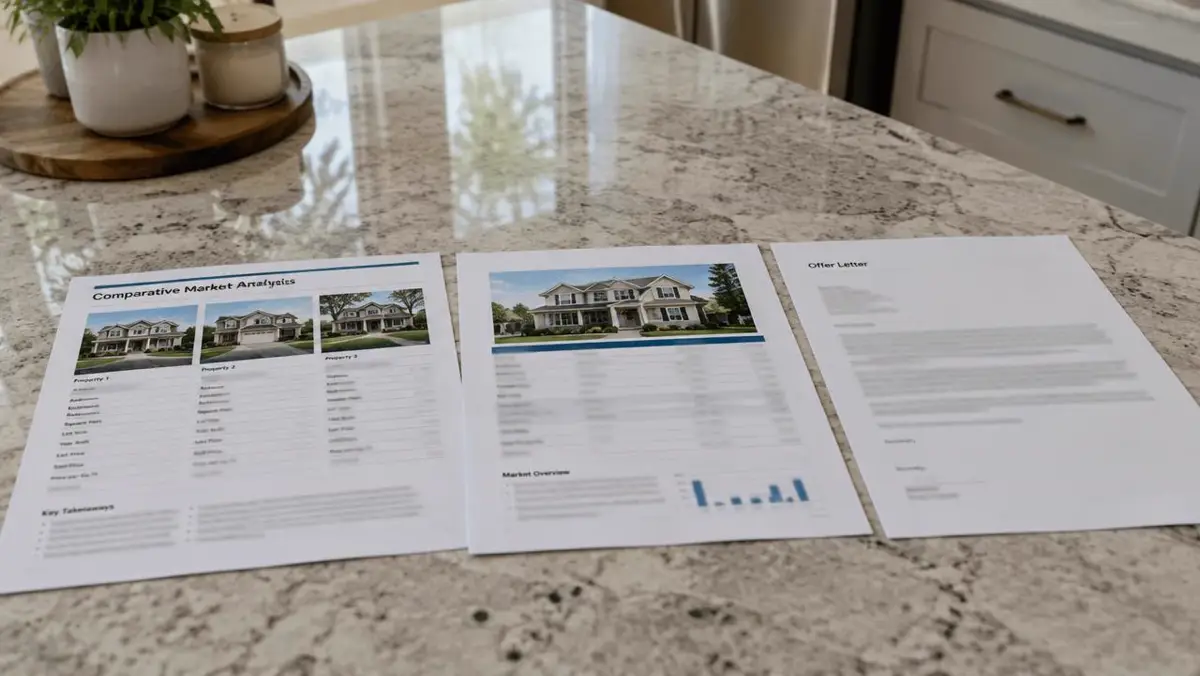
- Know your home's value first. Look at recent nearby sales, not list prices. Our guide on what a fair cash offer looks like explains how buyers reach their number.
- Ask what's deducted and why. A reputable buyer explains the repair estimate and costs behind the offer.
- Get it in writing with the closing date, who pays closing costs, and any contingencies.
- Close through a licensed title or escrow company, never by handing a deed to an individual.
- Never pay an upfront fee to receive an offer.
- Compare. It's reasonable to ask an agent for a pricing opinion alongside a cash offer.
Here is an illustrative example for a $320,000 home that needs light cosmetic work.
When a cash sale may not be your best option
If your home shows well, your timeline is flexible, and getting top dollar matters more than speed or convenience, a traditional listing is often the better choice. Sellers in strong markets with updated homes usually do best on the open market. A direct sale to SilverCrest Estates fits when you value a set closing date, no showings, and no repairs more than squeezing out the last few thousand dollars. See the trade-offs side by side on our cash vs. listing comparison.
Your off-market options compared
Not listing doesn't mean only one choice. Here's how the common off-market paths compare:
| Option | How it works | Speed | Typical costs |
|---|---|---|---|
| Direct cash buyer | Company buys your home itself | As little as 21 days | No commission; buyer often covers closing costs |
| iBuyer | Tech company makes an algorithmic offer | A few weeks | Service fee plus repair deductions |
| Pocket listing with an agent | Agent markets privately to their network | Varies | Commission still applies |
| Sell to someone you know | Neighbor, tenant, or relative buys | Depends on their financing | Title and closing costs; attorney recommended |
Each has trade-offs. A pocket listing keeps an agent's negotiation help but still involves showings and a financed buyer. Selling to a relative can be simple, but get an appraisal so the price holds up for taxes and family fairness.
Privacy and paperwork
Off-market sales still need the same legal steps as any sale:
- A written purchase contract with price, closing date, and contingencies.
- Seller disclosures required by your state. Selling without listing doesn't remove your duty to disclose known defects.
- A title company or closing attorney to search title, pay off your mortgage, and record the deed.
- A settlement statement showing every dollar.
What you skip is the public part: no online listing photos of your home's interior, no signs in the yard, no strangers walking through, and no price history posted for everyone to see. For people dealing with a divorce, an illness, a death in the family, or simply valuing privacy, that matters.
Is selling without listing right for you?
It fits best when your home needs work, you value privacy, you can't manage showings, or you need a fixed date. It fits less well when your home is move-in ready, you have time, and maximum price is your top priority. In that case, listing will likely net more. Either way, getting a free written offer first gives you a real number to compare.
What to do this week
Request a written cash offer. Ask for proof of funds and the title company's name. Compare the offer against an agent's net estimate. If the numbers are close, the convenience and privacy may decide it.
Key points to remember
- Off-market sales skip showings and public listings.
- Disclosure and title rules still apply.
- Compare the offer to your listing net.
- Verify proof of funds.
The bottom line
You don't need a foreclosure notice or a burst pipe to want a simple sale. If certainty, privacy, and your own timeline matter more than the last few percent of price, selling without listing is a legitimate choice. Get a no-obligation cash offer and compare it against what a listing would net you.
Frequently asked questions
Can I sell my house without putting it on the MLS?
Yes. You can sell directly to a cash buyer, to someone you know, or privately through an agent's network. The sale still closes through a title or escrow company with a written purchase contract, so ownership transfers legally and any mortgage is paid off from the proceeds.
Do I make less money selling my house without listing it?
Sometimes. A move-in-ready home in a strong market can net more on the MLS. But once you subtract commissions, repairs, staging, months of holding costs, and buyer repair credits, the difference is often smaller than the list price suggests, and a direct sale removes the risk of a buyer's loan falling through.
How fast can I sell my house without listing it?
A direct cash sale can close in as little as 21 days once the title search is clear, because there is no lender appraisal or underwriting. Most sellers pick a date two to four weeks out so they have time to move, and many buyers allow a later date if you need it.
Is it safe to sell my house to a cash buyer?
It is when you follow basic protections: get a written offer, close through a licensed title or escrow company, never pay an upfront fee, and read every document before signing. Verify the buyer's reviews and ask for proof of funds before you commit.
Sources & further reading
Primary sources we consulted for this article. Rules vary by state and change over time — always confirm against the original source.
- 1Clear Cooperation Policy
National Association of REALTORS®
MLS rule on how quickly publicly marketed listings must be shared with other brokers.
- 2Real estate closings: what to expect
Consumer Financial Protection Bureau
Federal consumer guide to closings, title, and settlement documents.
- 3

About the author
Lisa Anderson
Seller Success Manager
Lisa Anderson works with the SilverCrest Estates acquisitions team, helping homeowners across 50+ US markets understand their options and close on their own timeline.
Disclaimer: This article is for general information only and is not legal, tax, or financial advice. Real estate rules vary by state and change over time. Consult a licensed attorney, tax professional, or financial advisor about your specific situation before acting.