One of the most common questions we hear from homeowners is: "How do I know if I'm getting a fair cash offer?" It's an excellent question, and at SilverCrest Estates, we believe in complete transparency about how we value properties.
Example: judging a $250,000 cash offer
| Line item | List it | Cash offer |
|---|---|---|
| Sale price | $300,000 | $250,000 |
| Commission (example 5.5%) | −$16,500 | $0 |
| Repairs / credits | −$20,000 | $0 |
| Holding costs (4 months) | −$8,000 | $0 |
| Example net | $255,500 | $250,000 |
How Cash Buyers Calculate Offers
Every legitimate cash buyer uses a similar formula to determine offer prices. Understanding this formula helps you evaluate any cash offer you receive.
The Basic Formula
Cash Offer = After Repair Value × 70-85% - Repair Costs
Let's break this down:
- After Repair Value (ARV): What your home would sell for in perfect, updated condition
- Discount Percentage: Typically 70-85% of ARV, depending on the buyer's model
- Repair Costs: Estimated cost to bring the home to market-ready condition
Example Calculation
Let's say your home would be worth $300,000 if fully updated:
| Component | Amount |
|---|---|
| After Repair Value | $300,000 |
| × 80% (investor margin) | $240,000 |
| - Estimated Repairs ($30,000) | -$30,000 |
| Your Cash Offer | $210,000 |
Why the Discount?
This is where many sellers get confused or feel the offer is "lowball." Here's what that discount covers:
Cash Buyer Costs
- Acquisition costs (closing, title, legal): 2-3%
- Holding costs (taxes, insurance, utilities): 3-6%
- Repair and renovation costs: Variable
- Selling costs (commissions, closing): 8-10%
- Profit margin: 10-15%
When you add these up, a cash buyer needs to purchase at a discount to make the transaction work financially. The key is ensuring that discount is reasonable and competitive.
Signs of a Fair Cash Offer
1. They Explain Their Methodology
Legitimate cash buyers should be willing to explain exactly how they arrived at their offer. At SilverCrest Estates, we walk through our valuation process with every seller.
2. The Offer Is Based on Comparable Sales
Any reputable cash buyer uses recent sales data from your neighborhood. Ask to see the comps they used.
3. Repair Estimates Are Reasonable
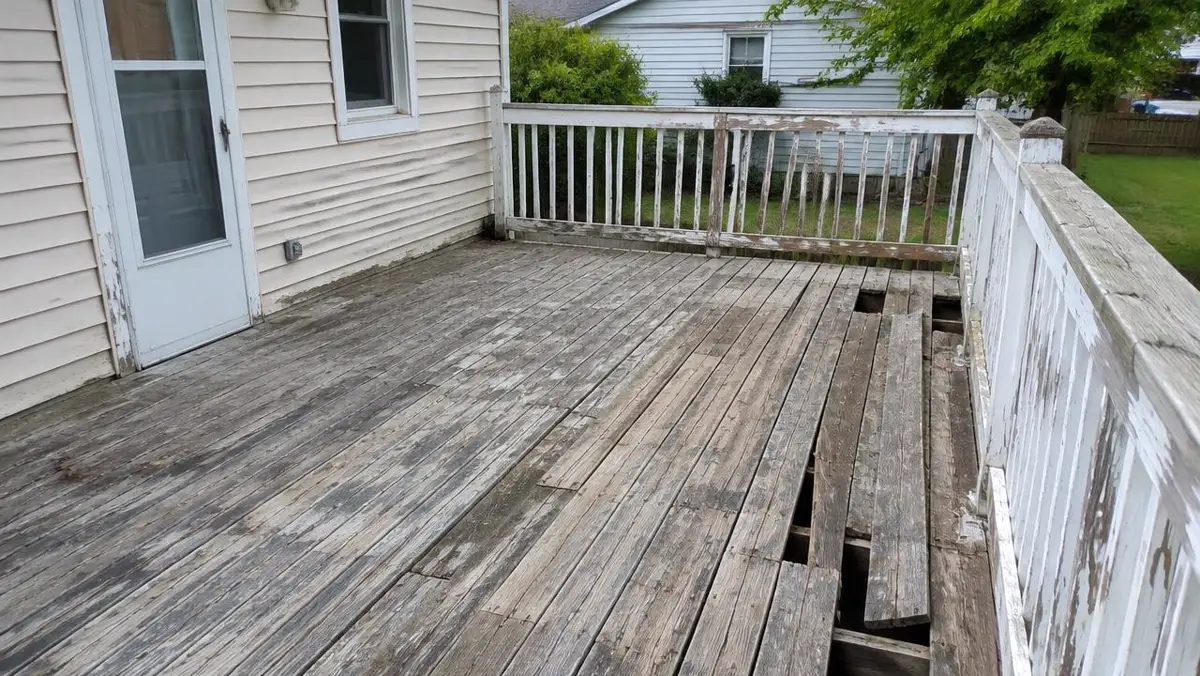
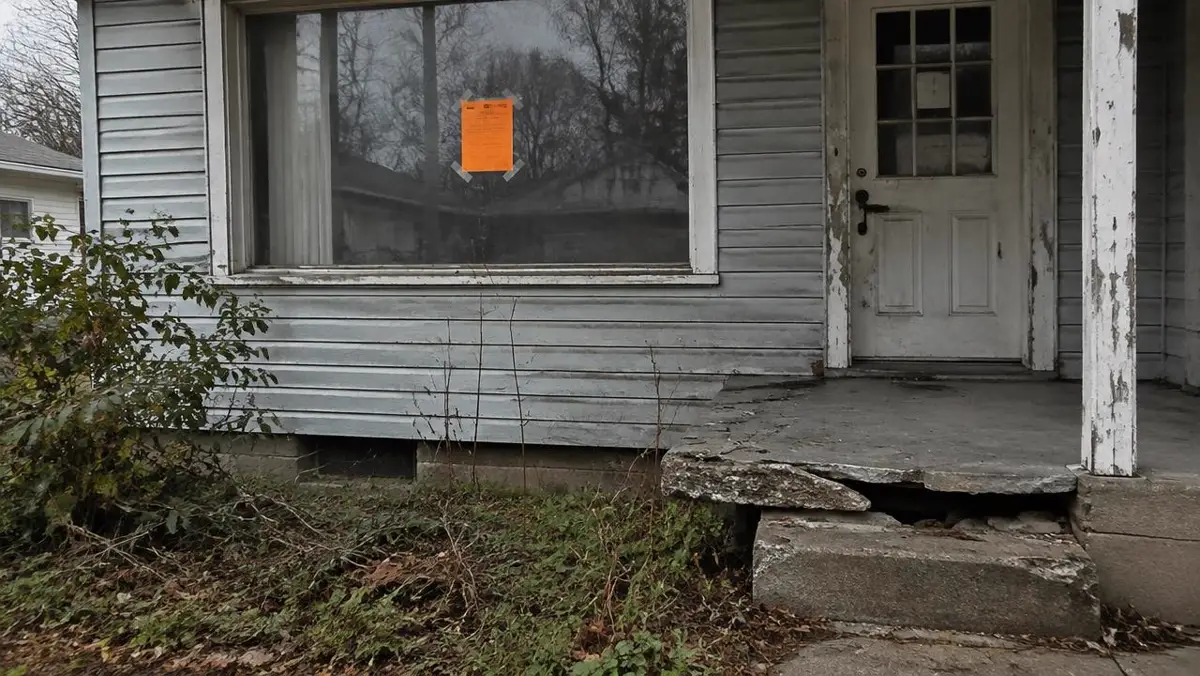
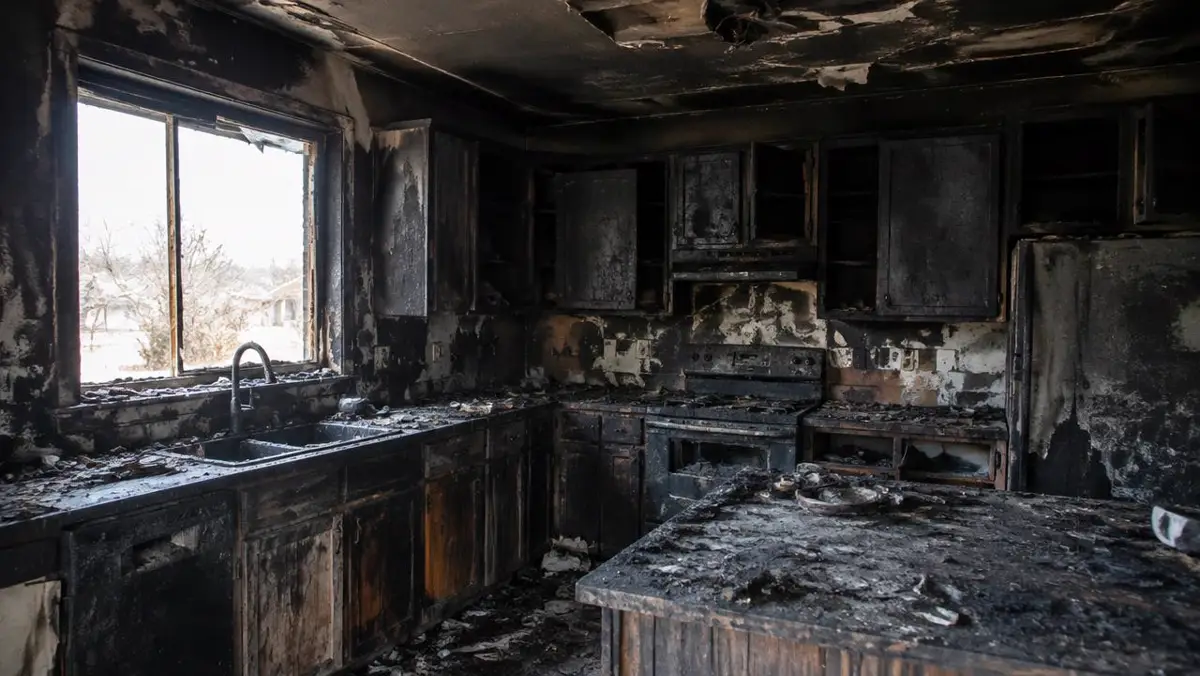
If a buyer claims your home needs $50,000 in repairs when it really needs $15,000, that's a red flag. Get independent estimates if needed.
4. No Hidden Fees
The offer you receive should be the amount you get at closing. Beware of buyers who tack on fees later.
5. They're Not Pressuring You
A fair offer stands on its own merits. High-pressure tactics often indicate an unfair deal.
If a buyer claims your home needs $50,000 in repairs when it really needs $15,000, that's a red flag.
How to Evaluate Your Cash Offer
Step 1: Know Your Home's Value
Research your home's current market value using:
- Online valuation tools (Zillow, Redfin)
- Recent sales in your neighborhood
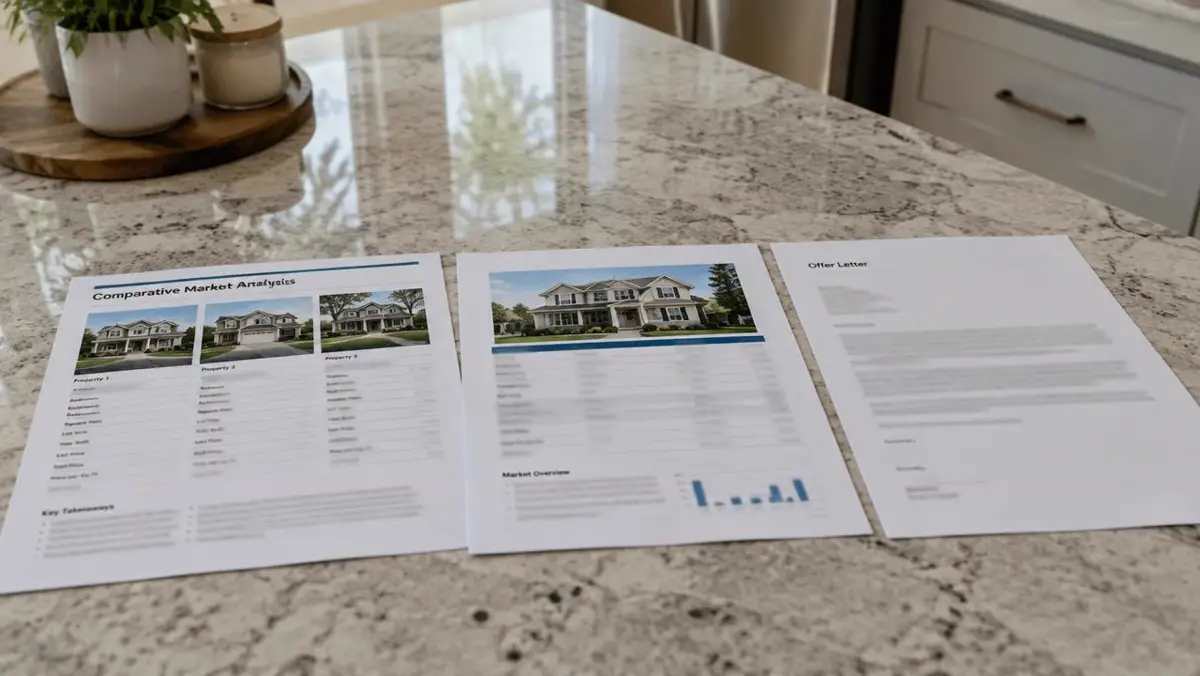
- A comparative market analysis from an agent
Step 2: Estimate Your Repair Costs
Be honest about your home's condition:
- Major systems (roof, HVAC, plumbing, electrical)
- Cosmetic updates needed
- Code compliance issues
- Deferred maintenance
Step 3: Calculate True Traditional Sale Proceeds
If you sold traditionally, what would you actually net?
| Factor | Cost |
|---|---|
| Sale Price | $300,000 |
| - Commission (6%) | -$18,000 |
| - Closing Costs (3%) | -$9,000 |
| - Repairs/Staging | -$15,000 |
| - Buyer Concessions (2%) | -$6,000 |
| - Carrying Costs (3 months) | -$6,000 |
| Net Proceeds | $246,000 |
Now compare this to a cash offer of $210,000. The gap is often smaller than it first appears.
Step 4: Factor in Non-Monetary Value
Cash offers provide value beyond the dollar amount:
- Certainty: 100% closing rate vs. ~80% for traditional sales
- Speed: 21 days vs. 60-120 days
- Convenience: No repairs, no showings, no cleaning
- Privacy: No listing, no open houses
- Stress reduction: Priceless for many sellers
Red Flags: Unfair Cash Offers
Watch out for these warning signs:
1. Significantly Below Market Offers
If someone offers 50% of your home's value without justification, walk away.
2. Verbal Offers Only
Legitimate buyers provide written offers with clear terms.
3. Contract Fees or Upfront Costs
You should never pay to receive an offer or sign a contract.
4. Pressure to Sign Immediately
Fair offers don't expire in 24 hours. Take time to consider.
5. No Proof of Funds
Real cash buyers can show bank statements or proof of funds.
6. Vague or Changing Terms
The offer should be clear and consistent throughout the process.
The SilverCrest Estates Approach
At SilverCrest Estates, we've built our reputation on fair, transparent offers:
- Detailed Offer Explanation: We show you exactly how we calculated your offer
- No Obligation: Get your offer and take time to decide
- No Fees: The price we quote is the price you receive
- Honest Assessment: We tell you if traditional might be better for your situation
- Competitive Offers: Our offers reflect true market value minus realistic costs
Getting Multiple Offers
We always encourage sellers to get multiple cash offers. This helps you:
- Understand the range of offers available
- Identify unreasonably low offers
- Feel confident in your decision
- Negotiate from a position of strength
A legitimate cash buyer welcomes comparison shopping. If someone discourages you from getting other offers, that's a major red flag.
When a cash sale may not be your best option
A cash sale trades some price for speed and certainty, and that trade isn't right for everyone. If your home is move-in ready, you have three or more months before you need to move, and your goal is the highest possible price, listing with a good agent will often net more. The same is true in a low-inventory market where updated homes draw multiple offers. Run both numbers side by side — our cash vs. listing comparison and closing cost calculator show the math — and choose the path with the better net for your timeline. SilverCrest Estates will tell you plainly when listing looks like the better fit.
Fairness checklist you can use today
Put any cash offer through these quick tests:
- The buyer named the comparable sales they used, or will if asked.
- Their after-repair value is within reason of recent renovated sales near you.
- Their repair estimate is itemized, not one round number.
- The offer states who pays closing costs, title, and transfer taxes.
- The inspection or due-diligence period is short and defined.
- They can show proof of funds.
- The contract doesn't allow them to assign or resell the contract to someone else without your consent.
- You had time to read it, with no same-day deadline.
An offer that passes every item is likely a fair reflection of the buyer's real costs, even if the number is lower than you hoped.
Comparing two cash offers
When two cash offers differ, compare their closing dates, inspection periods, who pays closing costs, and whether the price can change after the walkthrough. The higher number isn't always the better offer.
Bottom Line: What's "Fair"?
A fair cash offer typically ranges from 70-85% of your home's after-repair value, minus any needed repairs. The exact percentage depends on:
- Your local market conditions
- Property condition
- Current investor demand
- The buyer's business model
The most important thing is that you feel comfortable with the offer and understand exactly what you're getting. At SilverCrest Estates, we're committed to giving you all the information you need to make the best decision for your family.
Request your free, no-obligation cash offer today and see what your home is worth.
Related Guides
- Who Buys Houses for Cash Fast?
- Cash Offer vs. Listing: A Visual Guide
- How Much Is My House Worth?
- Glossary: cash offer
Weighing a cash sale? See what your home is worth — free and no obligation.
Frequently asked questions
How do cash buyers decide what to offer?
We start from after-repair value based on recent comparable sales, subtract the cost to bring the property to market condition, subtract holding and transaction costs, and leave a margin. That's why offers on well-maintained homes come in closer to retail than offers on properties needing major work — the repair number is doing most of the work.
Why is an online estimate different from a real offer?
Automated estimates use public records and past sales, so they can't see a new kitchen, a failing foundation, or a shared driveway. They also carry a published margin of error that widens in neighborhoods with few recent sales. Treat them as a starting range and get a real underwritten number before making a decision.
Should I get an appraisal before selling?
Usually not necessary for a direct sale, since our own underwriting produces the number. A pre-listing appraisal can help when a property is unusual, when heirs or a court need an independent figure, or when you're documenting value for tax purposes. The FHFA House Price Index is a useful free check on how your market has moved.
Are cash offers for homes legitimate?
Legitimate buyers exist and so do predatory ones. The markers of a real offer are a written purchase agreement, verifiable proof of funds, an earnest money deposit held by a licensed title company or attorney, and no pressure to sign on the spot. The FTC publishes guidance on the tactics used by the bad actors.
Sources & further reading
Primary sources we consulted for this article. Rules vary by state and change over time — always confirm against the original source.
- 1House Price Index
Federal Housing Finance Agency
Quarterly, government-published home-price movement by state and metro area.
- 2Appraisals and home valuations
Consumer Financial Protection Bureau
How lenders value a property and what happens when an appraisal comes in low.
- 3Housing statistics and existing-home sales
National Association of Realtors
Industry benchmarks for days on market, sale-to-list ratios, and buyer behavior.

About the author
Marcus Johnson
Seller Solutions Director
Marcus Johnson works with the SilverCrest Estates acquisitions team, helping homeowners across 50+ US markets understand their options and close on their own timeline.
Disclaimer: This article is for general information only and is not legal, tax, or financial advice. Real estate rules vary by state and change over time. Consult a licensed attorney, tax professional, or financial advisor about your specific situation before acting.