Start here: this article is part of our selling your home collection. For the full picture, read our complete guide, How to Sell Your House Fast: The Complete Homeowner's Guide.
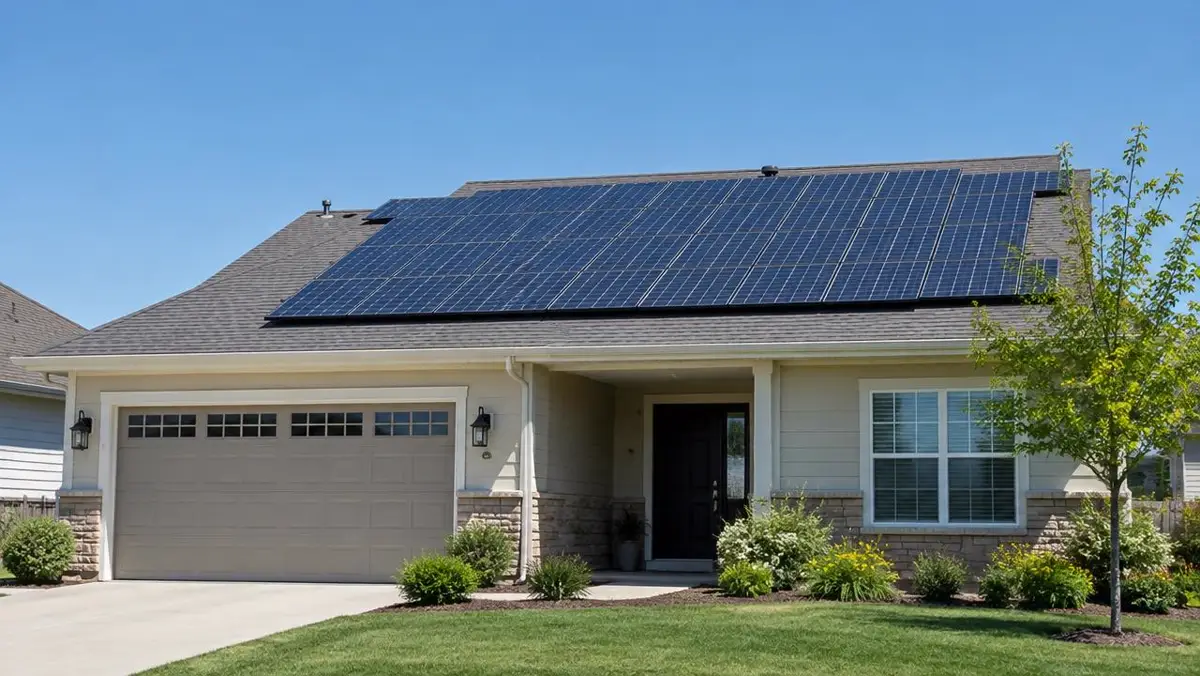
Solar panels can be a selling point or a sticking point — and which one depends almost entirely on how they're financed. Before you list, the single most important thing to determine is whether you own your panels, lease them, or have a power purchase agreement (PPA). That one fact shapes your price, your buyer pool, and your closing.
Solar panels and your sale
| Ownership type | What happens at sale |
|---|---|
| Owned outright | Transfers with the house |
| Solar loan | Paid off at closing (or assumed if allowed) |
| Lease / PPA | Buyer must qualify to take it over, or you buy it out |
| UCC fixture filing | Must be cleared or handled by title |
Owned vs. Leased vs. PPA
Owned panels (bought cash or financed and paid off)
These typically add value and transfer cleanly with the home. Buyers inherit lower electric bills and an asset, and appraisers can factor owned systems into value. This is the easiest scenario.
Leased panels
You don't own the equipment — a solar company does. At sale, the buyer must either assume the lease (and qualify for it) or you must buy out the remaining lease before closing. Leases narrow your buyer pool because some buyers won't take on the monthly payment or the contract terms.
Power Purchase Agreement (PPA)
Similar to a lease: the buyer agrees to purchase the power the panels produce at a set rate. Again, it must be assumed or bought out.
How Solar Affects Your Home's Value
Owned systems can increase equity and appeal, especially in high-electricity-cost markets. But the effect on your appraisal isn't automatic — appraisers need documentation (system age, ownership, warranties, production history) to give credit. Gather these before listing. Leased/PPA systems generally do not add appraised value because you don't own them.
What Buyers (and Their Lenders) Will Ask
Buyers increasingly expect solar, but they — and mortgage underwriters — will want:
- Proof of ownership or the lease/PPA contract
- The system's age, warranty status, and recent production data
- Any UCC-1 filing (a lien the solar company places on leased systems), which must be resolved so it doesn't cloud title
Clearing a solar UCC-1 filing is a common last-minute closing snag — surface it early. For more on maximizing appeal, see what buyers look for in a home.
Selling a House With Leased Solar: Your Options
- Transfer the lease to a qualified buyer (most common).
- Buy out the lease before closing and sell with owned panels.
- Sell to a direct/cash buyer who will handle the lease assumption or buyout as part of the deal — useful when a lease is scaring off retail buyers.
Comparison at a Glance
| Financing | Adds value? | Effect on sale | What's required |
|---|---|---|---|
| Owned | Usually yes | Smooth | Transfer with deed |
| Leased | Rarely | Narrows buyers | Assume or buy out |
| PPA | Rarely | Narrows buyers | Assume or buy out |
Buyers increasingly expect solar, but they — and mortgage underwriters — will want: Clearing a solar UCC-1 filing is a common last-minute closing snag — surface it early.
Your Pre-Listing Solar Checklist
Gather these before you list or request an offer — having them ready prevents delays and helps you get full credit for an owned system:
- Ownership proof or the lease/PPA contract, including the company's contact info
- System age, panel and inverter warranties, and installer details
- 12 months of production and utility bills showing the actual savings
- Any UCC-1 filing on the property, and the payoff or transfer process to clear it
- Roof condition and warranty — buyers worry about re-roofing around panels
- Monitoring app login or reports, which reassure buyers the system works
How Solar Interacts With Your Closing
On a financed sale, the buyer's lender treats owned and leased systems very differently. Owned panels are part of the real property and move with the deed. Leased systems require the lease to be assumed or paid off, and the UCC-1 must be released so it doesn't appear as an encumbrance during the title search. Start these conversations with your solar company the moment you decide to sell — buyout quotes and lease-transfer approvals can take weeks, and a pending UCC-1 is one of the most common reasons a solar-equipped closing slips. If timing is tight or the contract is complex, factor that into whether a traditional sale or a direct sale is the smoother route.
When a cash sale may not be your best option
If your home shows well, your timeline is flexible, and getting top dollar matters more than speed or convenience, a traditional listing is often the better choice. Sellers in strong markets with updated homes usually do best on the open market. A direct sale to SilverCrest Estates fits when you value a set closing date, no showings, and no repairs more than squeezing out the last few thousand dollars. See the trade-offs side by side on our cash vs. listing comparison.
Documents buyers and lenders will ask for
- The purchase contract or lease/PPA agreement, including transfer terms.
- Proof of ownership or the lender's payoff letter if panels were financed.
- Any UCC-1 fixture filing recorded against the property (common with solar loans and leases).
- The interconnection agreement with your utility.
- Recent production data and electric bills.
- Warranty documents for panels, inverters, and roof penetrations.
A UCC filing doesn't always block a sale, but title companies will want it addressed. If panels are leased, start the transfer process with the solar company early; approvals can take weeks and the new owner usually must qualify.
Roof condition matters more with solar
If your roof needs replacing in the next few years, buyers will factor in the cost of removing and reinstalling panels, which can be significant. Get a roofer's opinion before listing and, if possible, a quote for removal and reinstallation, so buyers aren't left guessing.
Selling as-is with solar
A direct buyer can purchase a home with owned, financed, or leased panels. With owned panels, the value is part of the offer. With financed panels, the loan is paid at closing. With a lease, the buyer either assumes it or arranges a buyout. Share your paperwork up front and we'll explain the options.
Questions to ask your solar company before listing
- Can the lease or PPA be transferred, and what does the new owner need to qualify?
- What's the buyout price if the buyer won't assume it?
- Is there a UCC filing, and will you release it at closing?
- How long does the transfer process take?
What to do this week
Find your solar agreement and check whether panels are owned, financed, or leased. Call the solar company about transfer requirements and timelines. Gather production data and utility bills. Then share everything with your agent or buyer upfront.
Key points to remember
- Know whether your panels are owned, financed, or leased.
- Leases and PPAs usually require the buyer to qualify for a transfer.
- Start the transfer process early; it can take weeks.
- Address any UCC filings with the title company.
- Check roof condition, since panel removal adds cost to roof work.
The Bottom Line
If you own your panels, document everything and market the savings — it's an asset. If you lease or have a PPA, decide early whether to transfer or buy out, and resolve any UCC-1 filing before it stalls closing. If the solar contract is complicating a traditional sale, a cash offer from a buyer who handles the assumption can be the cleanest exit. SilverCrest Estates buys homes with owned or leased solar — request a free, no-obligation offer.
Key Takeaways
- Financing type is everything. Owned panels are an asset that transfers with the deed; leased or PPA systems must be assumed by the buyer or bought out before closing.
- Document early. Ownership proof, warranties, production history, and any UCC-1 filing should be gathered before you list — an unreleased UCC-1 is a top cause of last-minute delays.
- Leased solar narrows your buyer pool, so decide up front whether to transfer or pay it off.
- If the contract is complicating a sale, a direct cash offer from a buyer who handles the assumption is often the cleanest exit.
Frequently asked questions
Can I sell a house with tenants still living in it?
Yes. In most states an existing lease survives the sale — the buyer becomes the new landlord and inherits the terms. Month-to-month tenancies can usually be ended with statutory notice, while fixed-term leases generally can't be cut short just because ownership changed. Investors often prefer occupied properties because income starts immediately.
Do I have to notify my tenants that I'm selling?
State law dictates the specifics, but nearly every state requires advance notice before showings and prompt notice of a change in ownership and where rent should be sent. Security deposits also have to be transferred or accounted for at closing. Handling this cleanly avoids the deposit disputes that surface months later.
How does a tenant affect the sale price?
It depends on the buyer. Retail buyers who want to move in will discount for an occupied property or walk away entirely; investors will price it on the rent roll and may pay more if the lease is at market. Below-market rent, missing leases, or a history of late payments are what actually depress the number.
What does the selling process look like start to finish?
With SilverCrest Estates: you share the property details, we underwrite it and send a written offer (usually within 24 hours), we confirm condition with a brief walkthrough, then title work runs while you pick a closing date. You sign at the title company or remotely, and funds are wired the same day the deed records.
Do leased solar panels make a house harder to sell?
They can narrow your buyer pool. A financed buyer has to qualify to assume the lease or PPA, and some simply won't take on the monthly payment or the contract terms — which can slow a sale or shrink your offers. The two clean fixes are to transfer the lease to a qualified buyer or buy out the remaining balance before closing so you sell with owned panels. A direct cash buyer who handles the assumption is a third option when a lease is scaring off retail buyers.
Sources & further reading
Primary sources we consulted for this article. Rules vary by state and change over time — always confirm against the original source.
- 1Tenant rights and landlord obligations
U.S. Department of Housing and Urban Development
State-by-state tenant protections that survive a change of ownership.
- 2Publication 527: Residential Rental Property
Internal Revenue Service
How rental income, depreciation, and deductible expenses are treated for tax purposes.
- 3Profile of Home Buyers and Sellers
National Association of Realtors
Annual research on why sellers move, how they choose a sale method, and what it costs them.
- 4

About the author
Sarah Williams
Senior Real Estate Analyst
Sarah Williams works with the SilverCrest Estates acquisitions team, helping homeowners across 50+ US markets understand their options and close on their own timeline.
Disclaimer: This article is for general information only and is not legal, tax, or financial advice. Real estate rules vary by state and change over time. Consult a licensed attorney, tax professional, or financial advisor about your specific situation before acting.