Start here: this article is part of our selling your home collection. For the full picture, read our complete guide, How to Sell Your House Fast: The Complete Homeowner's Guide.
Receiving an offer for your home that feels surprisingly low can be a frustrating experience. It’s natural to feel a pang of disappointment, or even a bit insulted, especially if you've poured time, money, and emotion into your property. However, a low offer doesn't always mean the end of the road. Sometimes, it’s just the start of a negotiation.
Responding to a lowball offer
- 1
Stay calm
It's an opening, not an insult
- 2
Check the net
Terms can matter more than price
- 3
Counter with comps
Show recent sales
- 4
Decide
Accept, counter or decline
At SilverCrest Estates, we understand that homeowners often need to sell their properties quickly and without the usual hassles of the open market. Whether you're dealing with an inherited property, navigating a divorce, facing foreclosure, or simply own a home that needs significant repairs, a low offer can feel like another hurdle. Our goal is to help you understand how to approach these situations, evaluate your options, and make an informed decision that's best for your circumstances.
Understanding Why Lowball Offers Happen
Before you dismiss a low offer outright, it's helpful to consider why a buyer might make one. Understanding their perspective can give you an advantage in negotiations or help you decide if another selling path is better for you.
Buyer's Market Conditions
In a buyer's market, where there are more homes for sale than eager buyers, buyers often feel they have the upper hand. They might submit lower offers, knowing they have many other options and that sellers may be more desperate to make a deal. If homes in your area are sitting on the market for extended periods, this could be a factor.
Property Condition and Needed Repairs
If your home needs significant repairs or updates, a buyer might factor these costs heavily into their offer. They're not just thinking about the purchase price; they're estimating the money, time, and effort it will take to bring the home up to their standards. For homes that truly need a lot of work, like those needing major repairs, buyers will often present offers that reflect these anticipated expenses. This is especially common when buying an as-is home, where the buyer expects to take on all existing issues.
Desirability of the Location
While you might love your neighborhood, certain aspects might be less desirable to a potential buyer. Factors like proximity to busy roads, lack of specific amenities, or school district ratings can influence a buyer's perceived value and, consequently, their offer.
Buyer's Strategy or Misinformation
Some buyers simply try their luck, hoping a seller is desperate or doesn't know the true value of their home. Others might be working with limited information, perhaps unfamiliar with recent comparable sales in your area, or they might have an overly optimistic view of their renovation budget. Sometimes, an offer is low because the buyer is testing the waters to see how flexible you are.
Your Specific Situation
If it's publicly known (or easily guessed) that you're in a hurry to sell – for example, due to a job relocation, an inherited property, or a divorce settlement – some buyers might use this urgency to their advantage. They might calculate that you're more likely to accept a lower offer to close a deal quickly.
Receiving an offer for your home that feels surprisingly low can be a frustrating experience.
Evaluating a Low Offer: Is There Potential?
It's tempting to throw a low offer straight into the trash, but it's worth taking a moment to assess whether it has any hidden potential. Not all low offers are created equal.
Reviewing the Offer Details
Look beyond just the price. Pay attention to other terms that could add value or reduce your hassle:
- Financing: Is the buyer pre-approved for a loan, or are they a cash buyer? Cash offers are generally stronger because they eliminate financing contingencies, often lead to faster closings, and carry less risk of falling through. This is a significant advantage, especially if you need to sell quickly.
- Contingencies: What conditions are attached to the offer? Fewer contingencies (like appraisal, inspection, or sale of their current home) make an offer more attractive. A buyer with many contingencies might be riskier, even if their price is higher.
- Closing Date: Does the proposed closing date align with your needs? If you need a fast sale, an offer with a quick close can be very appealing, even if the price is a bit lower. Conversely, if you need more time, a flexible closing might be valuable.
- Earnest Money Deposit: A substantial earnest money deposit shows the buyer's commitment. A very low deposit might suggest they aren't serious.
Comparing to Market Value and Your Needs
Consider the offer in the context of recent sales in your area. Has your property been on the market for a while? Are you under a time constraint?
If you're selling an inherited property, for instance, you might prioritize a quick, uncomplicated sale over getting the absolute top dollar, especially if managing the property from afar is a burden. Similarly, if you're navigating a divorce, a clean and swift transaction can often be more valuable than drawn-out negotiations.
The "Net to You" Calculation
This is where a low cash offer can sometimes compete favorably with a higher financed offer that comes with many fees and complications. Consider all the costs involved in a traditional sale:
- Agent commissions: Often 5-6% of the sale price.
- Closing costs: Can be 1-3% for sellers.
- Repair costs: If you prepare your home for the market, these can add up significantly.
- Holding costs: Mortgage payments, utilities, taxes, insurance while your home is on the market.
- Concessions: Buyers often ask for these during negotiations.
Let's illustrate with an example:
When a cash sale may not be your best option
A cash sale trades some price for speed and certainty, and that trade isn't right for everyone. If your home is move-in ready, you have three or more months before you need to move, and your goal is the highest possible price, listing with a good agent will often net more. The same is true in a low-inventory market where updated homes draw multiple offers. Run both numbers side by side — our cash vs. listing comparison and closing cost calculator show the math — and choose the path with the better net for your timeline. SilverCrest Estates will tell you plainly when listing looks like the better fit.
How to respond to a lowball offer
A low offer is still an offer, and it opens a conversation. Here's how to respond without losing a potential buyer.
- Don't take it personally. Some buyers start low to test you. Others don't know the market.
- Look at the whole offer. A low price with no contingencies, a large deposit, and a fast close may be worth more than a higher, shakier one.
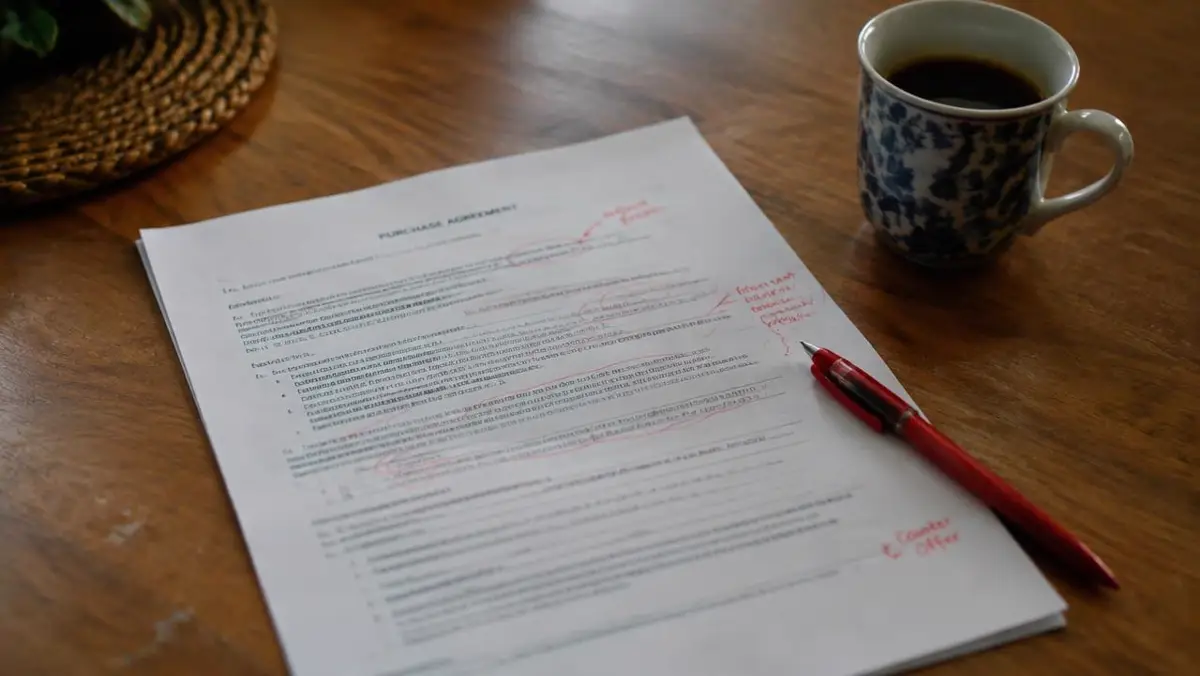
- Counter with evidence. Send a counter near your target price with two or three recent comparable sales.
- Ask questions. Why did the buyer come in at that number? Their answer may reveal concerns you can address, like a repair they're worried about.
- Set a deadline for responses so negotiations don't drag on.
When a low offer is actually fair
Sometimes an offer that feels low reflects reality: the home needs repairs, comparable sales have dropped, or the house has sat for weeks. If you get several offers in the same range, the market may be telling you something. Compare that number to your net after selling costs and holding costs; you may find the difference is smaller than it looks.
Cash offers and the "lowball" label
Cash offers often come in below list price because the buyer takes on repairs, holding costs, and resale risk. That doesn't make them unfair. Ask the buyer to explain their after-repair value and repair estimate, and compare their offer against what you would actually net by listing. Our guide to how cash buyers calculate offers walks through the math.
When to walk away
If a buyer won't move from a very low number, won't explain it, or pressures you to decide on the spot, it's fine to decline. A reasonable buyer will negotiate in good faith.
Related Guides
- Negotiating Home Sale Offers
- What Buyers Look For in a Home
- What Is a Fair Cash Offer for My House?
- Glossary: earnest money
Weighing a cash sale? See what your home is worth — free and no obligation.
Frequently asked questions
What exactly is considered a 'lowball' offer?
Generally, a lowball offer is an offer significantly below your asking price, often 10-20% less, and sometimes even below comparable sales in your area. While it can be frustrating, it's often a tactic to test your motivation or the market, not necessarily a personal insult.
Should I always counter a lowball offer?
Not always, but often. If the offer is extremely low with no redeeming qualities (like a cash offer with no contingencies), you might ignore it. However, a counter-offer, even a firm one, can open a dialogue and potentially lead to a better deal, especially if you understand their motivation.
What's the best way to respond to a low offer?
Respond professionally and calmly. You can accept (rarely), ignore (if it's truly egregious), or counter-offer. When countering, be clear about your price and terms, and highlight your home's value. Avoid emotional reactions and focus on the business aspect.
Can a lowball offer ever be a good thing?
Sometimes. A lowball offer, especially a cash offer with a quick close and no contingencies, might indicate a highly motivated buyer who values speed and convenience. If your primary goal is a fast, hassle-free sale, such an offer, even if low, might be worth considering or countering strategically.
When should I consider rejecting an offer outright?
You might reject an offer outright if it's insultingly low, comes with excessive contingencies (like a very long inspection period or demanding repairs), or if the buyer seems difficult to work with. If you have other interested parties or are not in a rush, maintaining your position can be a strong negotiation tactic.
Sources & further reading
Primary sources we consulted for this article. Rules vary by state and change over time — always confirm against the original source.
- 1Federal Trade Commission: Home Selling Tips
Federal Trade Commission
General advice on selling a home, including negotiation.
- 2National Association of REALTORS: Home Buyer and Seller Generational Trends
National Association of REALTORS
Provides context on buyer motivations and market conditions.
- 3

About the author
Marcus Johnson
Seller Solutions Director
Marcus Johnson works with the SilverCrest Estates acquisitions team, helping homeowners across 50+ US markets understand their options and close on their own timeline.
Disclaimer: This article is for general information only and is not legal, tax, or financial advice. Real estate rules vary by state and change over time. Consult a licensed attorney, tax professional, or financial advisor about your specific situation before acting.