Start here: this article is part of our selling your home collection. For the full picture, read our complete guide, How to Sell Your House Fast: The Complete Homeowner's Guide.
If you're selling your home, understanding what buyers want can help you position your property for a faster sale. At SilverCrest Estates, we've analyzed thousands of transactions to identify what truly matters to buyers.
Where prep dollars matter most (example)
| Area | Buyer impact | Low-cost fix |
|---|---|---|
| Kitchen | High | Paint cabinets, new hardware |
| Curb appeal | High | Mulch, trim, fresh door paint |
| Bathrooms | Medium–high | Re-caulk, new fixtures |
| Lighting | Medium | Brighter bulbs, open blinds |
Top Priorities for Today's Buyers
1. Location, Location, Location
What buyers evaluate:
- School district quality
- Commute time to work
- Neighborhood safety
- Proximity to amenities
- Future development plans
Reality: You can't change your location. Price accordingly.
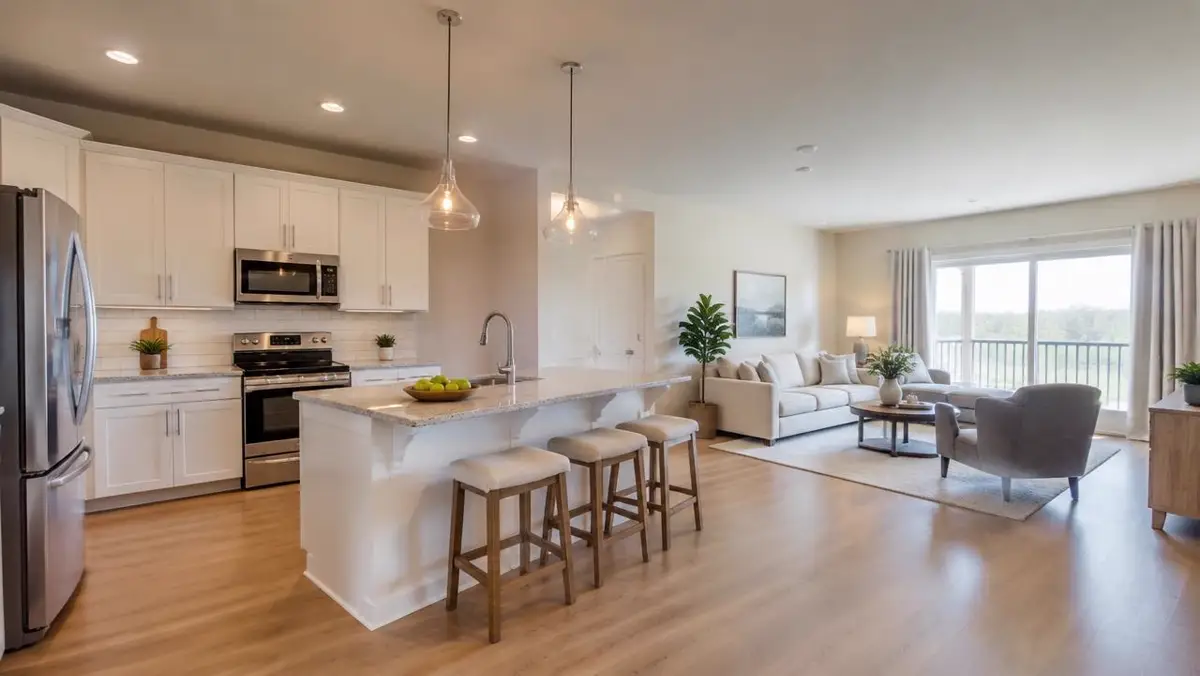
2. Kitchen Condition
The kitchen sells homes:
- Updated appliances
- Modern countertops
- Functional layout
- Adequate storage
- Good lighting
Budget-friendly updates:
- New cabinet hardware
- Fresh paint
- Updated light fixtures
- Deep cleaning
3. Bathroom Updates
Second only to kitchens:
- Modern fixtures
- Clean grout and caulk
- Adequate storage
- Ventilation
- Updated vanity
4. Move-In Ready Condition
Buyers want:
- No major repairs needed
- Neutral, clean appearance
- Working systems (HVAC, plumbing, electrical)
- Well-maintained exterior
5. Storage Space
Always high priority:
- Closet size and organization
- Garage space
- Attic/basement storage
- Kitchen storage
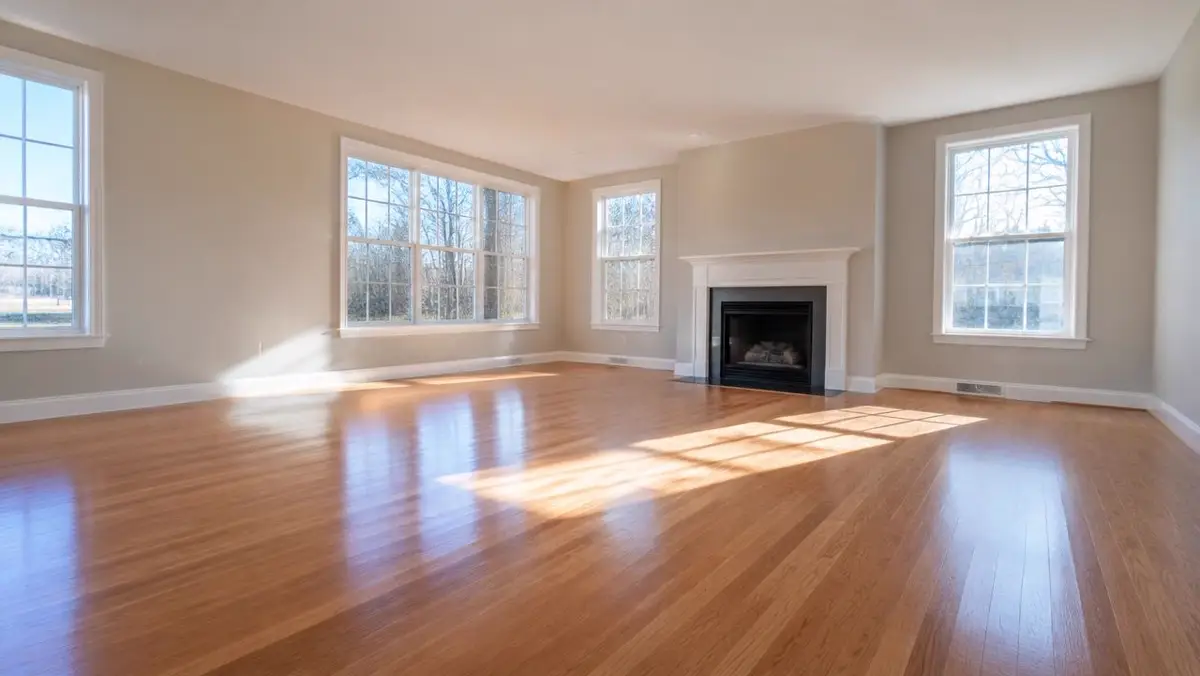
6. Natural Light
Bright homes sell:
- Clean windows
- Updated window treatments
- Light paint colors
- Minimal obstructions
7. Energy Efficiency
Increasingly important:
- Updated windows
- Efficient HVAC
- Insulation
- Energy-efficient appliances
- Smart home features
What Buyers Notice First
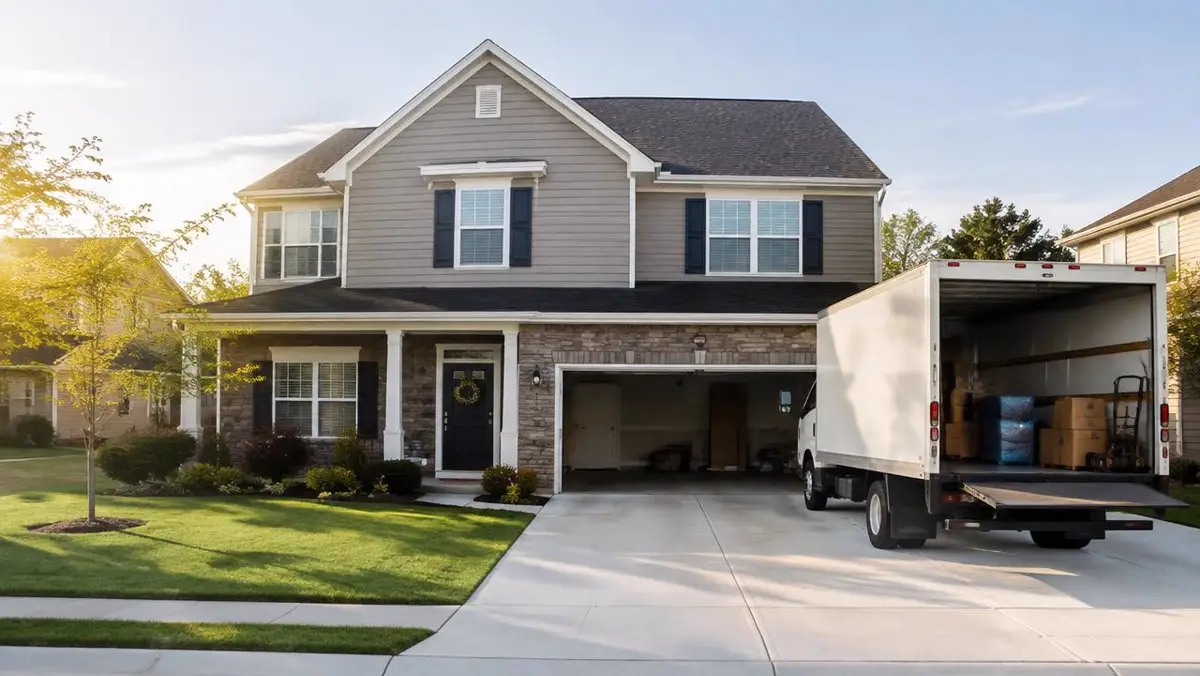
Curb Appeal
First impressions are made before entering:
- Lawn condition
- Landscaping
- Front door
- Driveway/walkway
- Exterior paint/siding
Entry and Foyer
Sets the tone:
- Cleanliness
- Brightness
- Organization
- Welcoming feel
Smells
Often overlooked:
- Pet odors
- Cooking smells
- Mustiness
- Smoke
Solution: Deep clean, fresh air, subtle pleasant scents.
If you're selling your home, understanding what buyers want can help you position your property for a faster sale.
Deal Breakers for Buyers
Major Concerns
These send buyers running:
- Foundation issues
- Roof problems
- Water damage/mold
- Electrical hazards
- Pest infestation
- Neighborhood problems
Secondary Concerns
May reduce offers:
- Outdated kitchens/baths
- Old carpet/flooring
- Popcorn ceilings
- Dated paint colors
- Deferred maintenance
What You Can't Change
Accept These Realities
- Location and neighborhood
- Lot size and shape
- Basic floor plan
- Age of home
- HOA rules
Strategy: Price to reflect these factors.
Work With What You Have
- Highlight positives
- Minimize negatives
- Be realistic about improvements
Quick Wins Before Listing
Low-Cost, High-Impact
| Improvement | Cost | Impact |
|---|---|---|
| Deep cleaning | $200-500 | High |
| Decluttering | Free | High |
| Fresh paint | $2,000-5,000 | High |
| Landscaping | $200-1,000 | Medium-High |
| New light fixtures | $200-500 | Medium |
| Updated hardware | $100-300 | Medium |
| Steam clean carpets | $150-300 | Medium |
Not Worth the Investment
| Improvement | Why to Skip |
|---|---|
| Major renovations | Won't recover cost |
| Pool addition | Limited buyer pool |
| High-end upgrades | Over-improvement risk |
| Personalized features | May not appeal to buyers |
The Alternative: Sell As-Is
If your home needs work, consider:
Cash Buyer Benefits
- No repairs needed
- No staging or prep
- Sell in current condition
- Quick closing
- Certain outcome
When As-Is Makes Sense
- Major repairs needed
- Limited budget for improvements
- Time constraints
- Don't want hassle
- Moving away
When a cash sale may not be your best option
If your home shows well, your timeline is flexible, and getting top dollar matters more than speed or convenience, a traditional listing is often the better choice. Sellers in strong markets with updated homes usually do best on the open market. A direct sale to SilverCrest Estates fits when you value a set closing date, no showings, and no repairs more than squeezing out the last few thousand dollars. See the trade-offs side by side on our cash vs. listing comparison.
How buyers' priorities change by price point
Not every buyer wants the same things. First-time buyers stretching for a monthly payment care most about move-in condition, because they have little left for repairs after the down payment. Move-up buyers care about space, layout, and school districts. Downsizers often want single-level living, low maintenance, and walkability. Investors care about price, rent potential, and repair cost, and very little about finishes.
Knowing who's most likely to buy your home tells you where to spend money and where not to. If your house is in a neighborhood that attracts first-time buyers, small repairs that pass an FHA appraisal may matter more than any cosmetic upgrade. If it's a fixer, most buyers will be investors, and pre-listing repairs may never pay back.
What inspectors flag that buyers then fixate on
A buyer may love the kitchen and still walk away after the inspection report. The items that most often cause renegotiation:
- Roof at or near the end of its life, or active leaks.
- Electrical: outdated panels, double-tapped breakers, ungrounded outlets.
- Plumbing: older supply lines, slow drains, water heater past its service life.
- HVAC that's old, noisy, or not cooling evenly.
- Moisture: stains, musty basements, poor grading around the foundation.
- Safety: missing smoke and carbon monoxide detectors, loose railings.
Getting a pre-listing inspection lets you decide which of these to fix, disclose, or price in before buyers find them.
When buyers' wish lists don't fit your house
If your home needs work in several of these areas, you have three paths: fix the biggest items, price the home to reflect them, or sell to a buyer who expects to renovate. There's no wrong answer, but there is a costly one: listing at a move-in price when the house isn't move-in ready, then cutting the price after weeks on market. Our as-is guide covers the third path.
Listing photos matter
Most buyers first see your home online. Bright, professional photos of clean, decluttered rooms are one of the cheapest ways to bring more buyers through the door.
What to do this week
Ask a friend to tour your home like a buyer, list what stands out, and fix the cheapest high-impact items first.
Bottom Line
Knowing what buyers want helps you:
- Prioritize improvements wisely
- Set realistic expectations
- Price appropriately
- Market effectively
For many homeowners, the smartest strategy is selling as-is to a cash buyer rather than investing in improvements.
Get a free cash offer from SilverCrest Estates and skip the buyer-pleasing upgrades.
The Highest-ROI Improvements Before You List
Not every upgrade pays for itself. If you're preparing to list, spend where buyers actually look:
- Fresh neutral paint — the single best dollar-for-dollar return; it makes a home feel clean, bright, and move-in ready.
- Deep cleaning and decluttering — near-free, and it makes rooms photograph larger.
- Curb appeal — mulch, a trimmed lawn, a clean or freshly painted front door; it sets the buyer's expectation before they walk in.
- Minor kitchen and bath refreshes — new hardware, caulk, and lighting beat a full remodel on ROI.
- Fixing the small stuff — leaky faucets, sticking doors, and burnt-out bulbs signal a well-kept home.
Skip the expensive, taste-specific renovations right before selling; buyers rarely pay back a big kitchen remodel, and you lose time. If the home needs more work than you want to fund, that's exactly when a no-repairs cash offer is worth comparing against a full listing prep.
Related Guides
- How to Price Your Home to Sell Fast
- Preparing Your Home for Sale: The Checklist
- Selling a House With Solar Panels
- Selling a House With Pets
Weighing a cash sale? See what your home is worth — free and no obligation.
Frequently asked questions
Do I need to make repairs before selling?
Not for a direct sale — we buy as-is and price the condition into the offer. For a traditional listing it's a judgment call: cosmetic work like paint and landscaping usually returns more than it costs, while major systems (roof, foundation, sewer) rarely return their full cost and can take months to schedule. Run the numbers before you spend.
What do I have to disclose about the property's condition?
Nearly every state requires sellers to disclose known material defects, and federal law requires a lead-based paint disclosure for homes built before 1978. Selling as-is limits your obligation to repair — it does not remove the duty to disclose what you know. When in doubt, disclose it in writing and keep a copy.
Will a low appraisal or inspection kill my sale?
It can in a financed sale: if the appraisal comes in under contract price the lender will only fund to the appraised value, and inspection findings often reopen negotiations. A cash purchase removes the lender from the equation, so the condition affects the offer up front rather than derailing the deal three weeks in.
Do I have to pay capital gains tax when I sell my house?
Often you don't. If the home was your primary residence for at least two of the last five years, IRS Publication 523 lets most single filers exclude up to $250,000 of gain and most married couples filing jointly up to $500,000. Gain above the exclusion, or on a property that wasn't your primary residence, is generally taxable. Confirm your specific situation with a tax professional.
Sources & further reading
Primary sources we consulted for this article. Rules vary by state and change over time — always confirm against the original source.
- 1Home improvement and energy-savings guidance
U.S. Department of Energy
Which upgrades actually reduce operating costs, useful when weighing pre-sale repairs.
- 2Lead-based paint disclosure requirements
U.S. Environmental Protection Agency
Federal disclosure obligations for homes built before 1978.
- 3Publication 523: Selling Your Home
Internal Revenue Service
The IRS rules on the home-sale capital gains exclusion, cost basis, and what proceeds are taxable.

About the author
Lisa Anderson
Homeowner Advocate
Lisa Anderson works with the SilverCrest Estates acquisitions team, helping homeowners across 50+ US markets understand their options and close on their own timeline.
Disclaimer: This article is for general information only and is not legal, tax, or financial advice. Real estate rules vary by state and change over time. Consult a licensed attorney, tax professional, or financial advisor about your specific situation before acting.