Start here: this article is part of our seller questions collection. For the full picture, read our complete guide, Can You Sell a House With a Mortgage? Everything You Need to Know.
Disclosure requirements are a critical part of selling your home. Failing to disclose known issues can lead to lawsuits, deal cancellations, and significant financial liability. Here's what every seller needs to know.
Common seller disclosures
| Disclosure | Who requires it | Applies to |
|---|---|---|
| Lead-based paint | Federal (EPA/HUD) | Most homes built before 1978 |
| Property condition form | State law (varies) | Most states |
| HOA documents | State law / HOA | Homes in an HOA |
| Known material defects | State law & case law | Almost every sale |
What Is Seller Disclosure?
Seller disclosure is your legal obligation to inform potential buyers about known defects, issues, or material facts about your property that could affect their purchase decision.
What Must Be Disclosed
Required in Most States
Structural Issues:
- Foundation problems
- Roof condition and age
- Water damage history
- Structural modifications
System Defects:
- HVAC problems
- Plumbing issues
- Electrical deficiencies
- Septic/sewer issues
Environmental Hazards:
- Lead-based paint (federal law for pre-1978 homes)
- Asbestos presence
- Mold issues
- Radon levels
- Underground storage tanks
Water and Flooding:
- Flood history
- Drainage problems
- Water intrusion
- Flood zone location
Legal Issues:
- Property line disputes
- Easements
- Zoning violations
- Pending litigation
- HOA conflicts
Other Material Facts:
- Deaths on property (varies by state)
- Neighborhood nuisances
- Planned developments nearby
- Pest infestations
Federal Disclosure Requirements
Lead-Based Paint (Required for Homes Built Before 1978)
You must:
- Disclose known lead-based paint
- Provide EPA pamphlet
- Allow 10 days for inspection (if requested)
- Include specific language in contract
Penalties: Up to $16,000 per violation
State-Specific Requirements
Disclosure laws vary significantly by state:
Full Disclosure States
Require comprehensive disclosure forms:
- California (most extensive)
- Texas
- New York
- Illinois
- Florida
Limited Disclosure States
Require minimal or no disclosure:
- Alabama (caveat emptor)
- Wyoming
- Georgia (limited)
Consult Local Requirements
Always verify your specific state and locality requirements with a real estate attorney or experienced agent.
What "Known" Means
You Must Disclose What You Know
If you're aware of an issue, you must disclose it:
- Current problems
- Past problems (even if "fixed")
- Things others have told you
No Duty to Investigate
Generally, you're not required to:
- Conduct inspections
- Test for hazards
- Investigate issues
But if you learn something during sale process, you must disclose.
"As-Is" Doesn't Eliminate Disclosure
Selling "as-is" means:
- You won't make repairs
- You won't provide credits
It does NOT mean:
- You don't have to disclose
- Known issues can be hidden
Selling "as-is" means: It does NOT mean: Most states have official forms: If your basement flooded 5 years ago, disclose it – even if you waterproofed.
How to Complete Disclosures
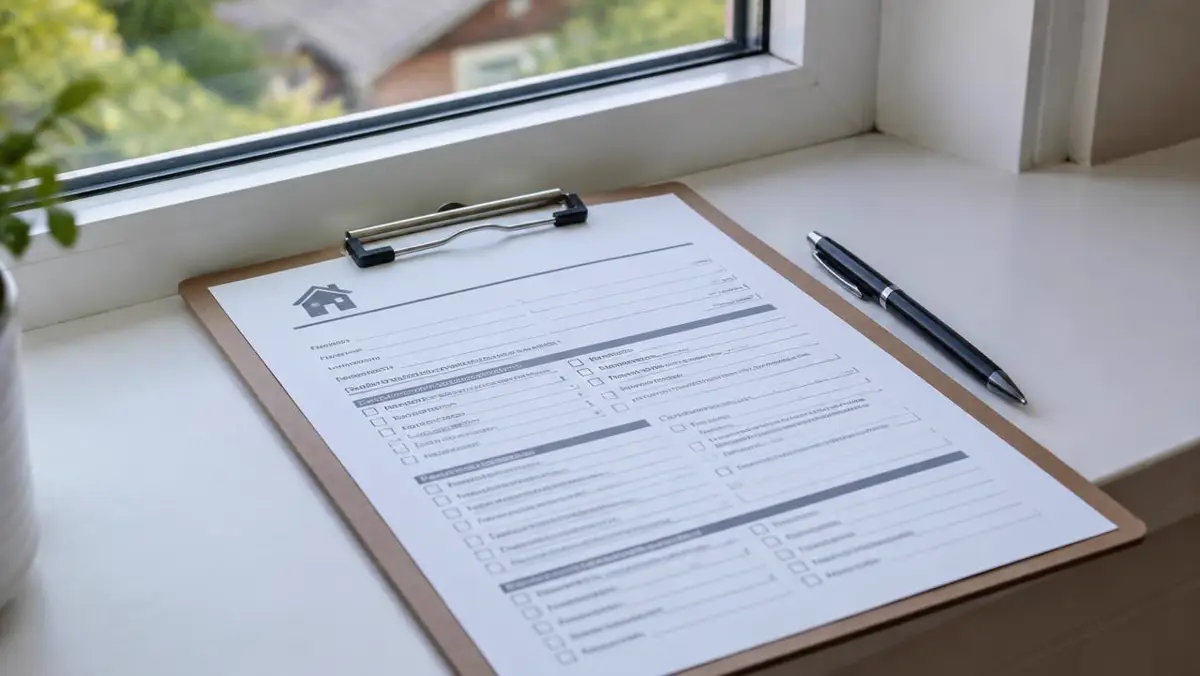
Standard Disclosure Form
Most states have official forms:
- Complete every section
- Mark "Yes," "No," or "Unknown"
- Provide explanations where needed
- Sign and date
Tips for Accuracy
Do:
- Be thorough and honest
- Disclose everything you know
- Keep copies of all documents
- Update if you learn new information
Don't:
- Guess or assume
- Leave sections blank
- Minimize known issues
- Fail to disclose "fixed" problems
Common Disclosure Mistakes
Mistake 1: Not Disclosing "Fixed" Problems
If your basement flooded 5 years ago, disclose it – even if you waterproofed.
Mistake 2: Vague Responses
"Some issues with plumbing" is not adequate. Be specific.
Mistake 3: Forgetting Verbal Information
If the neighbor told you about flooding, disclose it.
Mistake 4: Assuming Buyer Won't Find Out
Inspections often reveal hidden issues. Better to disclose upfront.
Consequences of Non-Disclosure
During the Sale
- Buyer discovers issue
- Deal collapses
- Buyer demands repairs/credits
- Extended timeline
After the Sale
- Buyer lawsuit
- Damages for repair costs
- Potential fraud charges
- Attorney fees
- Stress and hassle
Legal Liability
Buyers can sue for:
- Actual repair costs
- Diminished value
- Attorney fees
- Punitive damages (fraud cases)
Protecting Yourself
Best Practices
- Complete disclosures thoroughly
- Keep copies of everything
- Get pre-inspections (optional but smart)
- Consult professionals when unsure
- Update disclosures if new issues arise
Documentation
Save records of:
- All disclosures provided
- Buyer acknowledgments
- Communication about issues
- Professional inspections
- Repair records
Cash Buyers and Disclosure
Disclosure Still Required
Even with cash buyers, you must disclose known issues.
How It's Different
Cash buyers like SilverCrest Estates:
- Expect some issues
- Factor problems into offer
- Buy properties as-is
- Experienced with disclosures
- Don't create drama over issues
Why This Helps
- Honest disclosure welcomed
- No repair negotiations
- Issues don't derail sale
- Straightforward process
When a cash sale may not be your best option
If your home shows well, your timeline is flexible, and getting top dollar matters more than speed or convenience, a traditional listing is often the better choice. Sellers in strong markets with updated homes usually do best on the open market. A direct sale to SilverCrest Estates fits when you value a set closing date, no showings, and no repairs more than squeezing out the last few thousand dollars. See the trade-offs side by side on our cash vs. listing comparison.
Lead-based paint: the federal rule
If your home was built before 1978, federal law requires you to give buyers an EPA-approved lead hazard pamphlet, disclose any known lead-based paint and hazards, provide any reports you have, and give buyers a 10-day opportunity to test (unless they waive it). The buyer signs a disclosure form that's kept with the contract. This applies even when selling as-is.
Material facts: when in doubt, disclose
States differ on what must be disclosed, but most require disclosure of known material defects, issues that would affect a reasonable buyer's decision or the home's value. Commonly disclosed items include:
- Roof leaks, foundation problems, and water intrusion.
- Mold, pest damage, or prior treatments.
- Unpermitted additions or work.
- HOA disputes, special assessments, or pending litigation.
- Flood history and insurance claims.
- Easements, boundary disputes, or encroachments.
Some states also require disclosure of deaths on the property, nearby military zones, or environmental hazards. If you're unsure whether something counts, disclosing it is almost always safer than staying silent. A real estate attorney can review your form.
Updating disclosures
If you learn something new after giving disclosures, such as a new leak, you may need to update them. Tell your title company or agent right away.
Disclosure in a cash sale
Selling to a cash buyer doesn't remove your disclosure duties in most states. Fill out your state's form honestly. The good news: an as-is buyer expects issues and prices them in, so disclosure rarely changes the deal.
What to do this week
Download your state's seller disclosure form and fill it out with documents in front of you: repair invoices, insurance claims, permits, HOA letters. If your home was built before 1978, prepare the lead-based paint disclosure. Where an answer is uncertain, describe what you know rather than guessing. If anything is complicated, such as a past lawsuit or boundary dispute, have a real estate attorney review the form before buyers see it.
Key points to remember
- Disclose known material defects.
- Pre-1978 homes need lead paint disclosure.
- Update disclosures if something changes.
- When in doubt, disclose.
Include the septic inspection in your disclosure packet
For an onsite wastewater system, give the buyer known failure reports, permits and repair records. Our failed septic home-sale guide explains how disclosure, approving authorities and repair responsibilities fit together.
The Bottom Line
Full disclosure protects you legally and ethically. When you're honest about your property's condition, you:
- Reduce legal liability
- Build buyer trust
- Avoid deal collapse surprises
- Protect yourself after closing
If you're concerned about how issues will affect your sale, a cash buyer can provide a solution that accepts your property's current condition without the drama.
Contact SilverCrest Estates for a cash offer that accounts for your property's actual condition.
Related Guides
- Can You Sell a House With a Mortgage?
- What Are Closing Costs When Selling a House?
- How Much Does It Cost to Sell a House?
- Glossary: title insurance
Weighing a cash sale? See what your home is worth — free and no obligation.
Frequently asked questions
Do I need to make repairs before selling?
Not for a direct sale — we buy as-is and price the condition into the offer. For a traditional listing it's a judgment call: cosmetic work like paint and landscaping usually returns more than it costs, while major systems (roof, foundation, sewer) rarely return their full cost and can take months to schedule. Run the numbers before you spend.
What do I have to disclose about the property's condition?
Nearly every state requires sellers to disclose known material defects, and federal law requires a lead-based paint disclosure for homes built before 1978. Selling as-is limits your obligation to repair — it does not remove the duty to disclose what you know. When in doubt, disclose it in writing and keep a copy.
Will a low appraisal or inspection kill my sale?
It can in a financed sale: if the appraisal comes in under contract price the lender will only fund to the appraised value, and inspection findings often reopen negotiations. A cash purchase removes the lender from the equation, so the condition affects the offer up front rather than derailing the deal three weeks in.
Are cash offers for homes legitimate?
Legitimate buyers exist and so do predatory ones. The markers of a real offer are a written purchase agreement, verifiable proof of funds, an earnest money deposit held by a licensed title company or attorney, and no pressure to sign on the spot. The FTC publishes guidance on the tactics used by the bad actors.
Sources & further reading
Primary sources we consulted for this article. Rules vary by state and change over time — always confirm against the original source.
- 1Home improvement and energy-savings guidance
U.S. Department of Energy
Which upgrades actually reduce operating costs, useful when weighing pre-sale repairs.
- 2Lead-based paint disclosure requirements
U.S. Environmental Protection Agency
Federal disclosure obligations for homes built before 1978.
- 3Mortgage relief and home-sale scams
Federal Trade Commission
Red flags for predatory offers homeowners encounter when they need to sell quickly.
- 4Lead-Based Paint Disclosure Rule for Real Estate
U.S. Environmental Protection Agency
Federal disclosure required for most homes built before 1978.

About the author
Jennifer Martinez
Real Estate Transaction Specialist
Jennifer Martinez works with the SilverCrest Estates acquisitions team, helping homeowners across 50+ US markets understand their options and close on their own timeline.
Disclaimer: This article is for general information only and is not legal, tax, or financial advice. Real estate rules vary by state and change over time. Consult a licensed attorney, tax professional, or financial advisor about your specific situation before acting.