Start here: this article is part of our seller questions collection. For the full picture, read our complete guide, Can You Sell a House With a Mortgage? Everything You Need to Know.
Closing day is the finish line — the moment ownership transfers and you get paid. For sellers, it's usually far simpler than for buyers, but knowing exactly what happens (and what can go wrong) helps everything go smoothly. Here's your step-by-step guide to a seller's closing day.
Closing day for sellers
- 1
Final walkthrough
Buyer confirms condition
- 2
Sign documents
Deed, settlement statement, affidavits
- 3
Funds released
Mortgage paid off first
- 4
Hand over keys
Per your agreed possession date
- 5
Proceeds paid
Wire or check, often same or next day
What "Closing" Actually Is
Closing (also called settlement) is when the legal transfer of the property is finalized: you sign documents, the buyer's funds are disbursed, your remaining mortgage is paid off, the deed is transferred to the buyer, and you receive your net proceeds. Depending on your state, closing is handled by a title company, an escrow company, or a real estate attorney.
Before Closing Day: What's Already Happened
By the time you reach the table, several things are usually complete:
- The buyer's final walk-through — a last look to confirm the home's condition; see walk-through
- The buyer's financing is cleared (for financed sales)
- Title search and title insurance are complete, confirming clear ownership
- The settlement statement (your closing figures) has been prepared for review
What Sellers Sign at Closing
Your paperwork is lighter than the buyer's, but important:
- The deed transferring ownership to the buyer
- The settlement statement detailing all credits and charges
- Mortgage payoff authorization for your existing loan
- Various affidavits (e.g., confirming no undisclosed liens)
- Tax and disclosure forms as required by your state
Bring a government-issued photo ID and any documents your closing agent requested.
What Comes Out of Your Proceeds
Your net proceeds are the sale price minus everything owed at closing:
- Remaining mortgage balance
- Agent commissions (in a traditional sale)
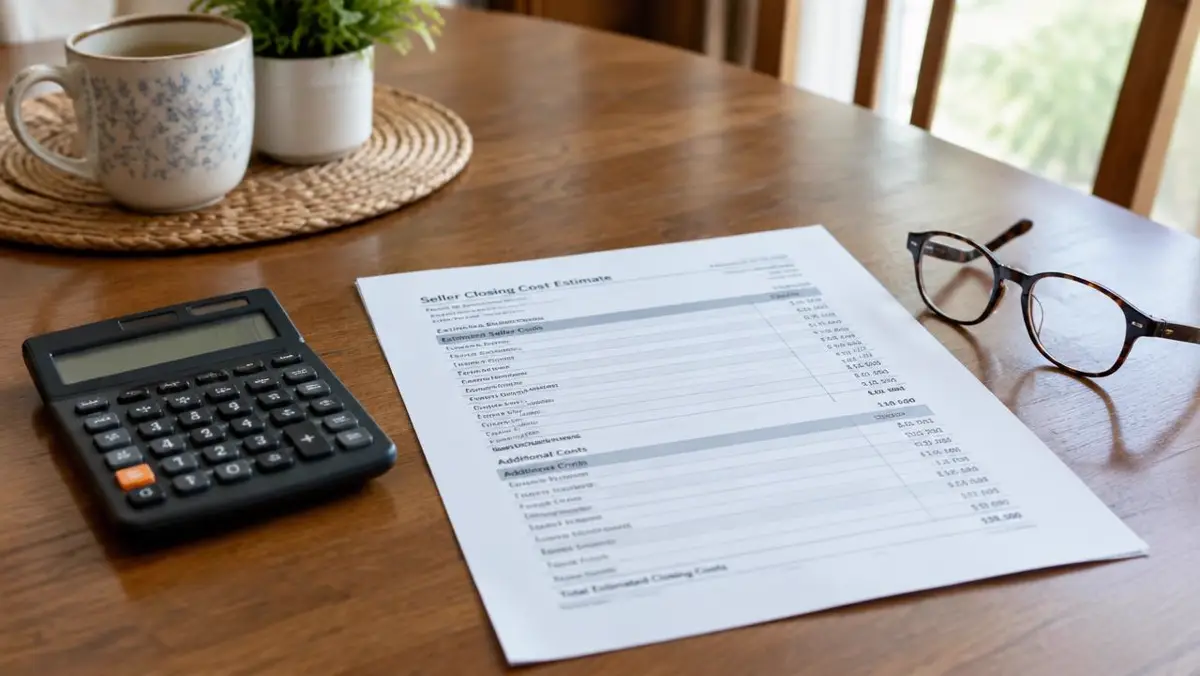
- Seller closing costs — title, transfer taxes, prorated property taxes
- Any agreed repair credits or concessions
See the full breakdown in how much it costs to sell a house. Review your settlement statement in advance so the final number is no surprise.
How You Get Paid
Once everything is signed and the buyer's funds are received, you'll get your proceeds by wire transfer (fastest, usually same day) or a check. Confirm wire instructions directly with your closing agent by phone — wire fraud is a real risk, and scammers impersonate title companies. Never trust wire details sent only by email.
Once title is clean, you sign and get paid — often in as little as 21 days, on a date you chose.
What Can Go Wrong (and How to Avoid It)
- Funding delays on the buyer's loan pushing closing back
- Last-minute title issues — an old lien surfacing
- Walk-through problems if the home's condition changed
- Wire fraud from spoofed instructions
Most of these trace back to financing and title. Ordering the title work early and staying responsive to your closing agent prevents the majority of delays.
The Cash-Sale Difference
With a cash offer, closing day is dramatically simpler: no lender, no financing contingency, no appraisal to clear. Once title is clean, you sign and get paid — often in as little as 21 days, on a date you chose. That's why sellers who need certainty on when they'll close often prefer it.
How to Prepare for Closing Day
A little preparation keeps closing day boring — which is exactly what you want:
- Review the settlement statement in advance. Ask your closing agent to send figures a day or two early so the final proceeds number is no surprise.
- Bring a government-issued photo ID and any documents your agent requested.
- Confirm wire instructions by phone, using a number you look up independently — never trust wire details that arrive only by email.
- Gather keys, garage remotes, gate fobs, and appliance manuals to hand over.
- Complete any agreed repairs before the buyer's final walk-through, and keep receipts.
After Closing: Your Final Steps
Signing isn't quite the end. Once the deal funds:
- Confirm your mortgage payoff posted and the loan shows a zero balance within a few weeks.
- Cancel homeowner's insurance on the sold property (don't cancel before funding).
- Transfer or stop utilities as of the closing date.
- Keep your closing documents — the settlement statement matters at tax time, especially for capital gains calculations.
- File a change of address so nothing important gets lost.
The mechanics above are identical whether you sell traditionally or to a direct buyer — the difference is timing and certainty. With a financed sale, closing day depends on the buyer's lender clearing everything first, which is where most delays originate. With a cash offer, there's no lender in the chain, so once title is clear you sign and get paid on a date you picked — often in as little as 21 days. If a predictable, on-time closing matters to your plans, that certainty is the whole point.
When a cash sale may not be your best option
If your home shows well, your timeline is flexible, and getting top dollar matters more than speed or convenience, a traditional listing is often the better choice. Sellers in strong markets with updated homes usually do best on the open market. A direct sale to SilverCrest Estates fits when you value a set closing date, no showings, and no repairs more than squeezing out the last few thousand dollars. See the trade-offs side by side on our cash vs. listing comparison.
A closing-day timeline
A few days before: Review the settlement statement. Confirm payoff amounts and your wire or check instructions by phone with the title company.
The morning of: Bring a government-issued photo ID, house keys, garage remotes, and any codes. If you're signing remotely, confirm your notary appointment.
At signing (about an hour): Sign the deed, settlement statement, affidavits about liens and possession, tax forms such as the 1099-S, and any payoff authorizations.
After signing: The title company records the deed with the county and disburses funds. In a cash sale this can be same day; in a financed sale it waits for the lender to fund.
After funding: You receive your proceeds and hand over possession according to your contract.
What can delay funding
- Missing signatures from a co-owner or spouse.
- A lien found late that needs a payoff letter.
- The buyer's lender adding last-minute conditions.
- Incorrect wire information.
- HOA payoff or estoppel letters not received.
Most can be avoided by starting title early, answering the title company's requests quickly, and making sure every owner can sign on the scheduled day.
Handing over the house
Leave keys, remotes, and codes as agreed. Take photos of the home's condition when you leave, read the utility meters, and arrange final bills. Keep a copy of your settlement statement for your tax records; you'll need it when you file.
What to do this week before closing
Call the title company to confirm your closing time, what ID to bring, and how you'll receive funds. Verify the wire instructions by phone. Schedule final utility readings, cancel or transfer services, and forward your mail. Gather keys, remotes, and manuals. Review the draft settlement statement and ask about anything you don't recognize. These small steps prevent most closing-day surprises and get your money to you on time.
Key points to remember
- Closing is when the deed is signed, recorded, and your proceeds are released.
- Review the settlement statement a day or two early and question any line you don't recognize.
- Confirm wire instructions by phone; never rely on emailed instructions alone.
- Bring ID, keys, and remotes, and make sure every owner on title can sign.
- Cash sales usually fund the same day; financed sales wait for the lender.
The Bottom Line
For sellers, closing day means signing the deed and settlement documents, paying off your mortgage and costs, and receiving your proceeds — usually by wire. Review your figures ahead of time, verify wire instructions by phone, and stay responsive to your closing agent. If you want the simplest possible closing on a guaranteed date, SilverCrest Estates closes on your timeline with no lender involved — request a free offer.
Frequently asked questions
What closing costs does a seller normally pay?
In a traditional sale, sellers typically cover agent commissions, title and escrow fees, transfer taxes, prorated property taxes, and any repair credits negotiated after inspection — commonly 7% to 10% of the price all in. Your Closing Disclosure itemizes every line, and the CFPB publishes a walkthrough of what each entry means.
How do I find out exactly what I'll walk away with?
Ask for a net sheet or estimated settlement statement and pair it with a current payoff quote from your lender. The payoff includes interest through the closing date and any escrow shortfall, which is why the number moves if closing slips. Once you have both documents the net figure is arithmetic, not a guess.
Are closing costs negotiable?
Some are. Commissions, who pays transfer tax, and repair credits are negotiated between the parties, while recording fees and state transfer taxes are fixed by statute. In a direct sale to SilverCrest Estates there are no agent commissions and we cover standard closing costs, which is where most of the savings comes from.
What does the selling process look like start to finish?
With SilverCrest Estates: you share the property details, we underwrite it and send a written offer (usually within 24 hours), we confirm condition with a brief walkthrough, then title work runs while you pick a closing date. You sign at the title company or remotely, and funds are wired the same day the deed records.
Sources & further reading
Primary sources we consulted for this article. Rules vary by state and change over time — always confirm against the original source.
- 1Understanding the Closing Disclosure
Consumer Financial Protection Bureau
A line-by-line breakdown of the fees that appear on a real closing statement.
- 2What to expect at closing
Consumer Financial Protection Bureau
The federal consumer-protection walkthrough of the closing appointment and documents.
- 3Title insurance explained
Consumer Financial Protection Bureau
What owner's and lender's title policies cover and who typically pays for them.
- 4

About the author
Lisa Anderson
Homeowner Advocate
Lisa Anderson works with the SilverCrest Estates acquisitions team, helping homeowners across 50+ US markets understand their options and close on their own timeline.
Disclaimer: This article is for general information only and is not legal, tax, or financial advice. Real estate rules vary by state and change over time. Consult a licensed attorney, tax professional, or financial advisor about your specific situation before acting.