Start here: this article is part of our selling your home collection. For the full picture, read our complete guide, How to Sell Your House Fast: The Complete Homeowner's Guide.
Quick answer: Skip big-ticket renovations before selling — kitchens, bathrooms, roofs, and additions routinely return only 50%–80% of their cost at sale, and they add months of carrying costs. The fixes worth doing are cheap and visible: deep cleaning, decluttering, paint touch-ups, and yard work. If the repair list is long, selling as-is to a direct buyer like SilverCrest Estates usually nets more than renovating first.
Sellers lose real money assuming every dollar of renovation comes back at closing. It almost never does.
The renovation trap, in numbers
Remodeling Magazine's annual Cost vs. Value Report has shown the same pattern for years: most major projects recoup only a fraction of their cost at resale. A midrange kitchen remodel historically recovers roughly half to two-thirds of its cost; bathroom additions and upscale primary suites often recover less. And that's before you count the months of mortgage, tax, and insurance payments while the work drags on.
Illustrative cost recovery on common pre-sale projects
What NOT to fix (the money pits)
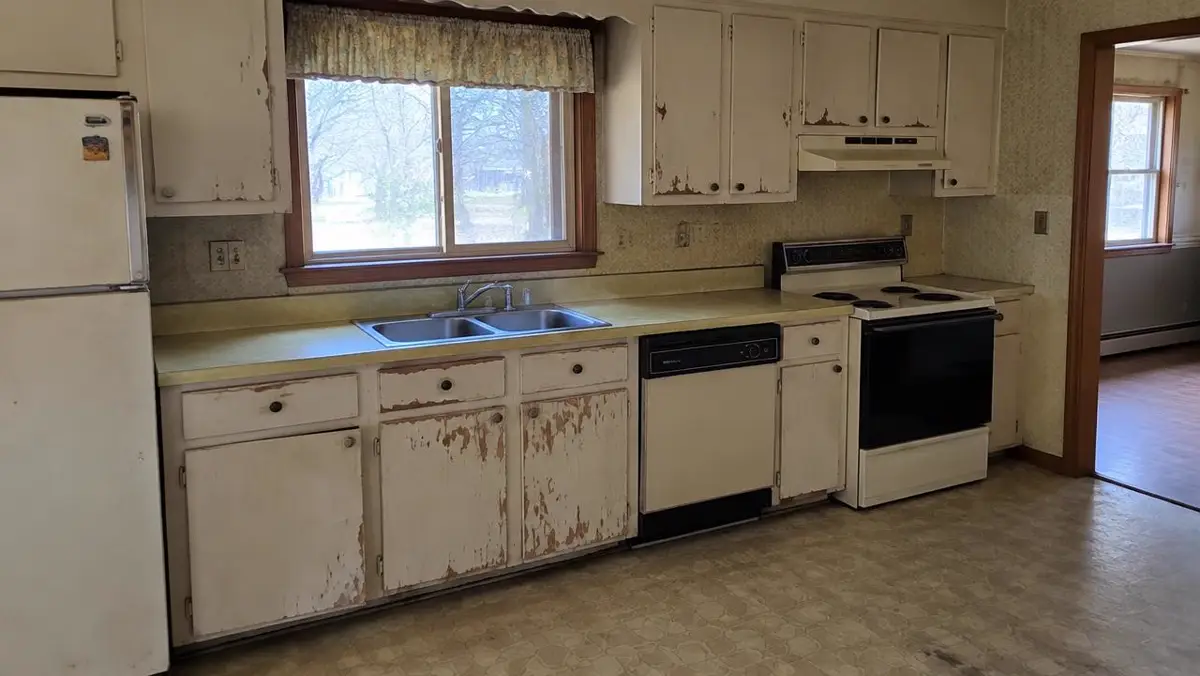
- Full kitchen remodels. Buyers want to pick their own finishes. A $40,000 kitchen might add $20,000 to the price.
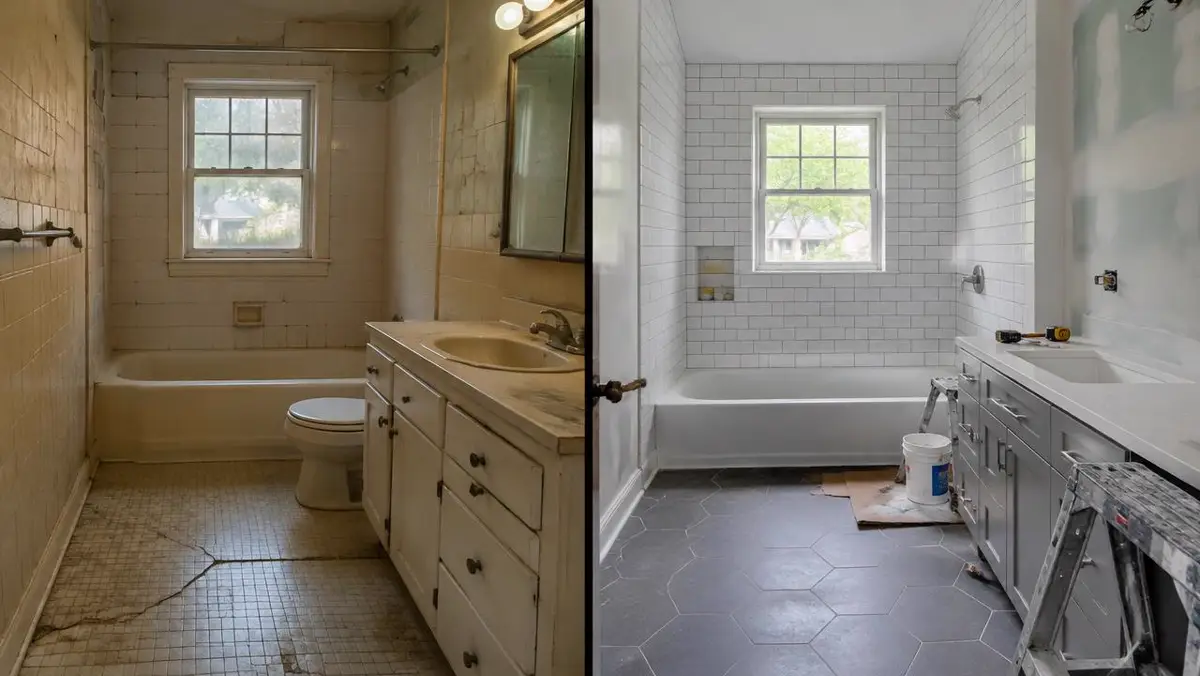
- Bathroom gut jobs. Same story — fresh caulk, a new toilet seat, and clean grout get you 90% of the benefit for 2% of the cost.
- Room additions and conversions. Almost never pay back before a sale.
- High-end landscaping. Mow, edge, and mulch. Don't install a $15,000 patio for the next owner.
- Swimming pools. In many markets a pool adds less than it costs and shrinks your buyer pool.
- Over-personalized anything. Bold paint, trendy tile, built-ins for your hobby — buyers discount for taste they have to undo.
- Partial system replacements. Replacing one of two aging AC units, or half a roof, often reads as "deferred maintenance" rather than "updated."
What IS worth fixing (cheap and visible)
- Deep clean everything — the single highest-return "project" there is.
- Declutter and depersonalize — free, and it makes rooms photograph bigger.
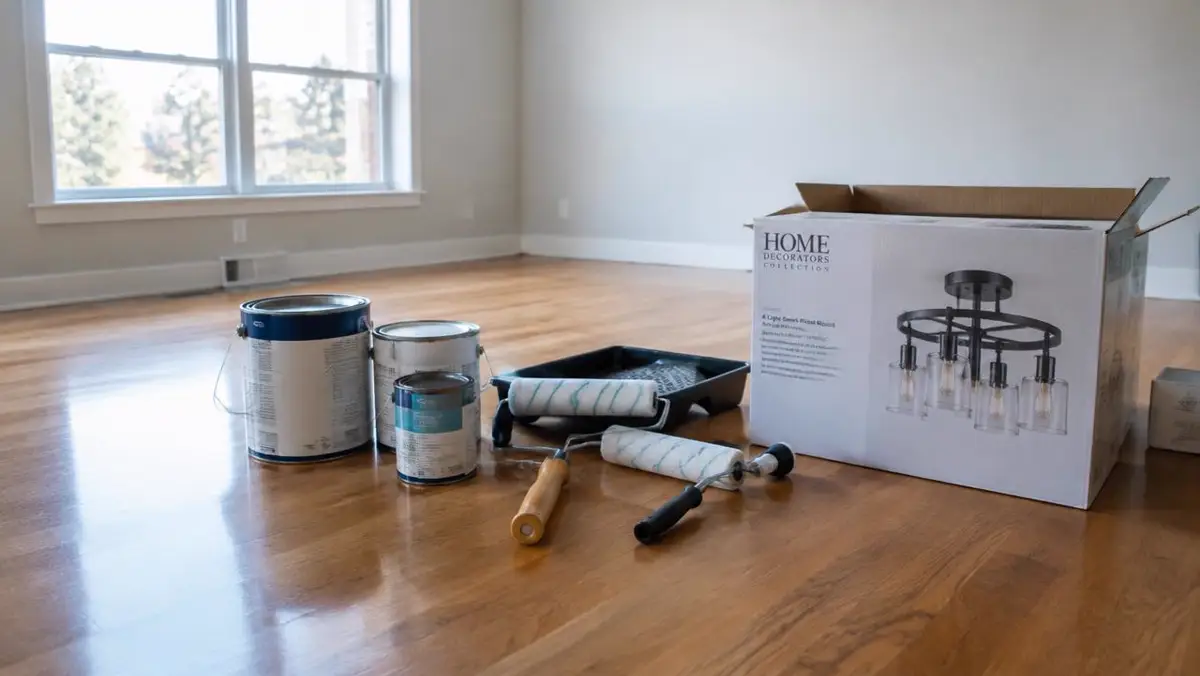
- Paint touch-ups in neutral tones — a few hundred dollars, immediate payoff.
- Fix small broken things — dripping faucets, dead outlets, cracked switch plates. A long list of tiny defects reads as "this house wasn't maintained."
- Curb appeal basics — mowed lawn, trimmed shrubs, a swept walkway.
- Light bulbs and smoke detectors — appraisers and inspectors notice.
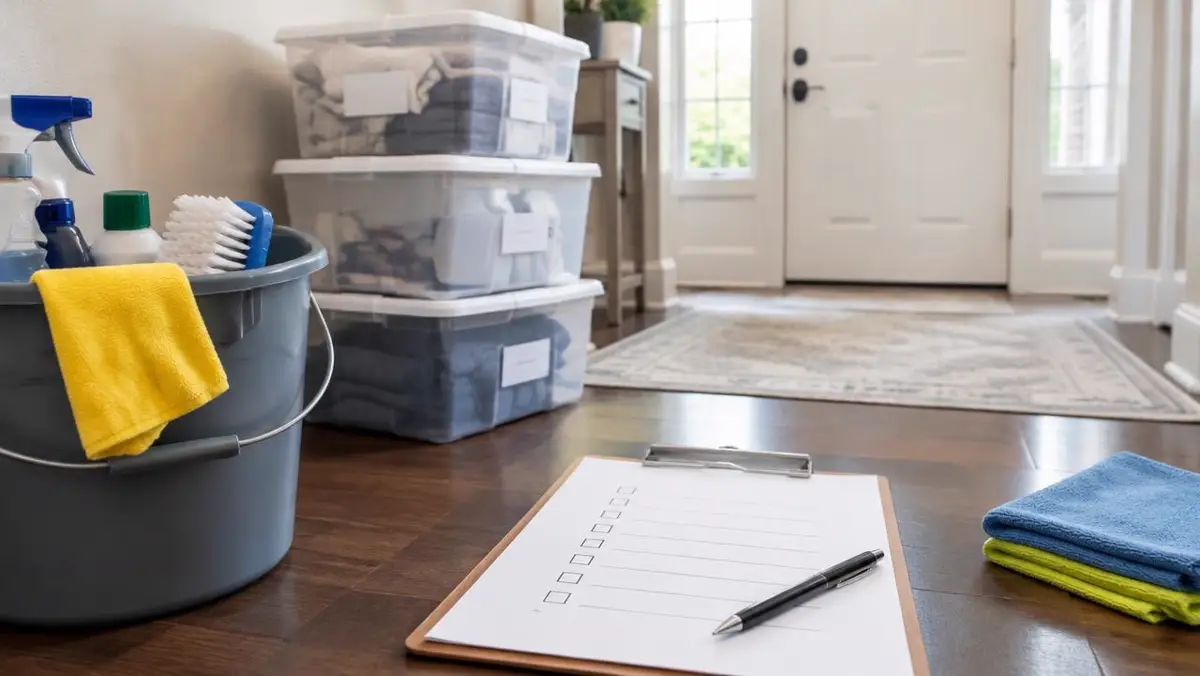
Our preparing your home for sale checklist has the full room-by-room version.
The decision framework
Ask three questions about every potential repair:
- Will a lender require it? Safety and habitability items (active leaks, exposed wiring, no heat) can block financed buyers. These you either fix, disclose and discount, or avoid entirely by selling to a cash buyer with no lender.
- Will it return more than it costs, including time? Add the carrying cost of the months the work takes.
- Is it cheap and visible? If yes, do it. If it's expensive and invisible (sewer line, insulation), skip it or price for it.
That's exactly the situation where selling as-is to SilverCrest Estates makes sense: we price the condition once, you skip the entire renovation, and you can close in as little as 21 days.
When fixing nothing is the smart move
Honest fit check: if the repair list runs past roughly $10,000–$15,000, or the home needs systems work (roof, HVAC, foundation, plumbing), renovating before sale is usually a losing bet — you take contractor risk, months of delay, and still recover only part of the spend. That's exactly the situation where selling as-is to SilverCrest Estates makes sense: we price the condition once, you skip the entire renovation, and you can close in as little as 21 days. Get a no-obligation offer and compare it against your fix-and-list net before spending a dollar on contractors.
Conversely, if your home needs only the cheap-and-visible list above and you have a few weekends, do those and list — you'll likely come out ahead.
Key takeaways
- Major renovations typically recover only 50%–80% of cost at sale — before carrying costs.
- Kitchens, bathrooms, additions, and pools are the worst pre-sale investments.
- Deep cleaning, decluttering, paint touch-ups, and curb appeal are the high-return fixes.
- Lender-required safety items are the exception: fix, discount, or sell to a cash buyer.
- Past ~$10,000–$15,000 in needed work, selling as-is usually beats renovating first.
When a cash sale may not be your best option
If the repairs are small (paint, fixtures, a minor roof patch) and you have the cash and time to finish them, fixing up and listing can return more than the repair cost. That's also true when the house is in a neighborhood where updated homes sell quickly at a premium. A cash, as-is sale makes the most sense when repairs are large, uncertain, or you'd have to borrow for them. Compare an as-is cash offer with listing using real contractor bids — not guesses — before you decide.
The pre-listing inspection dilemma
If you're planning a retail listing and suspect hidden problems, a $300–$500 pre-listing inspection can be smart money: it lets you fix or price issues on your schedule instead of discovering them mid-escrow when the buyer has leverage. But know the trade-off — in most states, a written report in your hands expands what you must disclose. Sellers who order one should do so intending to act on it, not hoping it comes back clean.
A middle path many sellers use: walk the house with a contractor or experienced friend first, fix the cheap items, and only order the formal inspection if something looks serious. Either way, remember that in a direct cash sale none of this is necessary — the buyer prices condition from one walkthrough.
The psychology of the "maintained" house
Buyers don't calculate repair costs rationally; they read signals. A house with forty small defects — dripping faucet, dead outlet, sticking door, stained caulk — reads as "nobody maintained this place," and buyers assume the invisible systems are equally neglected. That assumption costs you far more than the $500 and two weekends it takes to fix the small stuff.
Conversely, a house with one big disclosed problem ("roof is 20 years old, priced accordingly") reads as honest and often sells better than a house with a dozen unexplained small ones. The strategy follows: eliminate the small signals, disclose the big ones, and never spend big money chasing a retail look. If the big items are too big, that's the moment to compare a no-obligation cash offer against the fix-and-list math rather than writing a contractor a check you'll only partly recover.
The two-weekend, under-$1,000 prep plan
If you do list retail, here's the highest-return prep sequence most sellers can finish in two weekends: Weekend one — declutter every room (rent a small storage unit if needed), deep clean kitchens and baths, and fix every dripping faucet, dead outlet, and sticking door. Weekend two — touch up paint in neutral tones, replace burned-out bulbs with bright consistent ones, mow and edge the lawn, mulch the beds, and sweep the walkway. Total spend is typically $300–$800, and it reliably moves both showing impressions and offer strength more than a $20,000 project would.
How to decide on the one big item
If your home has exactly one major issue — say, an aging roof — get one real bid, then ask two questions: will it block financing for my likely buyers, and will I recover the cost? If the answer to the first is yes and the second is no, the honest options are a price adjustment, a credit, or an as-is sale to a buyer with no lender. Spending $15,000 to add $10,000 of value is the most common pre-sale mistake there is.
A note on permits and past work
If you do make repairs, keep every receipt and permit — they become disclosure documents and basis records at sale time. And if you discover past work was done without permits, don't panic and don't hide it: disclose it, price for it, or sell as-is to a buyer who handles unpermitted-work situations routinely. Attempting to conceal unpermitted work is one of the few prep decisions that can genuinely create legal liability after closing.
Frequently asked questions
What repairs are not worth doing before selling a house?
Full kitchen and bathroom remodels, room additions, high-end landscaping, and swimming pools consistently return only a fraction of their cost at resale. Over-personalized upgrades also backfire because buyers discount for taste they'll undo. The fixes that pay back are cheap and visible: cleaning, decluttering, neutral paint, and basic curb appeal.
Should I replace the roof before selling?
Usually not, unless it's actively leaking or will block buyer financing. A new roof rarely adds its full cost to the sale price, but a failing roof shrinks your buyer pool because lenders won't finance it. The alternatives: offer a price reduction, or sell as-is to a cash buyer like SilverCrest Estates where no lender is involved and the roof is simply priced into the offer.
How much should I spend getting my house ready to sell?
For a retail listing, keep prep spending in the hundreds to low thousands: deep cleaning, paint touch-ups, minor repairs, and yard work. Once estimates climb past roughly $10,000–$15,000, the math usually favors pricing as-is instead — you'll recover only part of a big spend and add months of carrying costs while the work gets done.
Can I sell my house without fixing anything?
Yes. You can list as-is (disclosing known defects and pricing for condition) or sell directly to a cash buyer. The direct route skips repairs, showings, inspection renegotiations, and lender condition requirements entirely — SilverCrest Estates buys homes in any condition and can close in as little as 21 days, with standard seller closing costs covered.
Sources & further reading
Primary sources we consulted for this article. Rules vary by state and change over time — always confirm against the original source.
- 1American Housing Survey
U.S. Census Bureau
National data on home improvement spending and housing condition.
- 2FHA Minimum Property Standards
U.S. Department of Housing and Urban Development
Condition requirements that can block financed buyers.
- 3Selling Your Home (Publication 523)
Internal Revenue Service
How improvement costs affect your cost basis at sale.

About the author
Jennifer Martinez
Seller Success Manager
Jennifer Martinez works with the SilverCrest Estates acquisitions team, helping homeowners across 50+ US markets understand their options and close on their own timeline.
Disclaimer: This article is for general information only and is not legal, tax, or financial advice. Real estate rules vary by state and change over time. Consult a licensed attorney, tax professional, or financial advisor about your specific situation before acting.