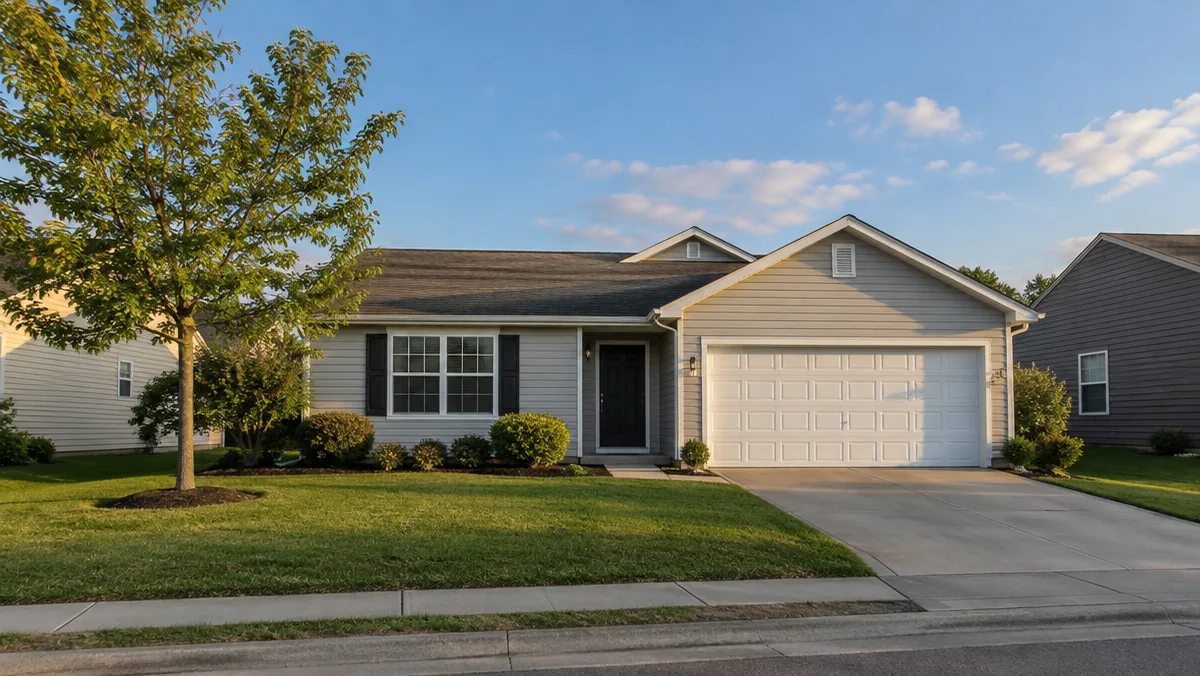

Definition
An absentee owner is someone who holds a property they don't personally live in, whether it's a rental, an inherited house, a vacation home, or a lot they never got around to developing. Being physically far from the property makes routine maintenance, tenant problems, and code compliance more expensive and harder to manage. Many absentee owners eventually decide to sell simply to stop paying property taxes, insurance, and upkeep on a house that no longer serves any purpose in their life. A direct cash sale is often appealing to absentee owners because it can typically be completed remotely, without requiring the owner to travel back to the property at all. This lets the owner cut ongoing costs and liability without the logistics of coordinating a traditional sale from a distance.
Real seller example
Living two states away, Yolanda Briggs was paying $340 a month to a property manager plus taxes and insurance on a rental house that had sat vacant for a year. Every time a pipe leaked or a window cracked, she had to coordinate repairs by phone with contractors she'd never met in person, and the constant back-and-forth was wearing her down. She estimated the vacancy alone had cost her nearly $9,000 in lost rent and upkeep over twelve months. Tired of managing a property she never saw, she requested a cash offer, and the buyer's local rep handled the walkthrough on her behalf so she didn't need to fly out or hire anyone else to inspect it for her. Within a few days she had a written offer in hand, based on photos and the rep's notes rather than a trip she couldn't easily make. She sold it for cash and closed within about ten days, ending all three ongoing expenses without ever having to fly back to see the property, and finally stopped the monthly drain on her budget. Yolanda said the biggest relief wasn't the sale price itself but simply no longer dreading the next phone call about something going wrong.
Frequently asked questions
Yes, what matters for a sale is legal ownership, not personal occupancy. Disclosure requirements are often narrower for absentee owners since they may have no firsthand knowledge of certain conditions.
Usually not, since remote notarization and mail-away closing packages are standard for owners who don't live nearby. Most of the process can be handled by phone, email, and mail.
A cash buyer can typically evaluate the property from photos or a local visit and make an as-is offer, removing the need for you to coordinate repairs or showings yourself. This is often much simpler than a traditional listing process.
That's common for absentee owners, and most cash buyers factor unknown condition into their as-is offer rather than requiring you to inspect it first. A local property manager or the buyer can also provide updated details if needed.
Beyond the mortgage, absentee owners often pay property management fees, higher vacant or landlord insurance premiums, and travel costs for occasional visits. These expenses add up quickly on a property that isn't generating enough income to offset them.
Often yes, since vacant or non-owner-occupied properties typically carry higher premiums and more restrictive coverage than owner-occupied homes. Some insurers may decline coverage altogether if the home sits vacant for an extended period.
It depends on whether the rental income still justifies the management fees and hassle after accounting for your distance. Many absentee owners eventually conclude that selling removes more stress than a manager can solve.
Yes, SilverCrest buys homes directly for cash and can typically evaluate a property from photos or a local walkthrough, so out-of-town owners don't need to travel to sell. Closing documents can also be handled remotely by mail or mobile notary.