
Definition
A deed restriction is a legally binding limitation written into a property's deed that controls how the land or home can be used, even after ownership changes hands. Common examples include restrictions on building additional structures, minimum square footage requirements, architectural style rules, or prohibitions on certain business uses. For a homeowner selling a house, deed restrictions need to be disclosed to buyers since they can limit what the new owner is allowed to do with the property, and violating them can lead to legal action from a homeowners association or a neighbor with enforcement rights. Some deed restrictions are decades old and outdated, while others are actively enforced by an HOA or community association. Buyers and their agents typically review these restrictions during due diligence, and unexpected restrictions can occasionally cause a buyer to back out or renegotiate. Knowing what restrictions apply to your property helps you set realistic expectations with potential buyers. Deed restrictions run with the land, which means they bind whoever owns the property next and do not expire when the house changes hands. They are separate from zoning: zoning is a public rule set by the municipality, while a deed restriction is a private covenant recorded against the parcel, and a property can easily comply with zoning while violating a restriction.
Real seller example
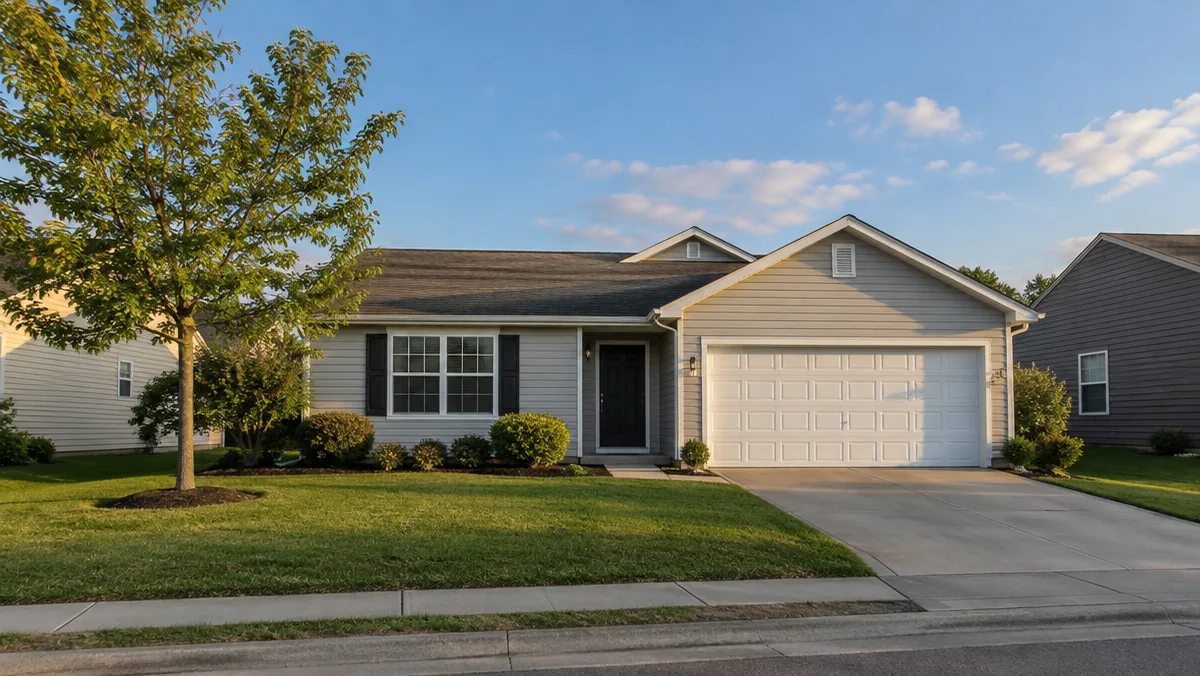
When Felicia went to sell her house, her title search revealed a deed restriction from the 1960s prohibiting any structure taller than one story, which was still technically enforceable through the neighborhood's community association. She hadn't known about the restriction herself, since she had bought the house years earlier without it ever coming up. Her buyer had hoped to eventually add a second story for a growing family, so the restriction quickly became a point of tense negotiation. Felicia's agent reached out to the community association to clarify exactly how strictly the rule was enforced and whether exceptions had ever been granted. After learning the association had occasionally approved variances in the past, the buyer decided to proceed with the purchase anyway, understanding the limitation and the possibility of requesting an exception later. Having the restriction disclosed early prevented a much bigger issue from surfacing after closing, when it would have been far harder to resolve. The practical seller issue is disclosure and timing. Restrictions surface in the title search, so an existing violation — a structure, a fence, a business use — is best identified early, when there is still time to obtain a waiver from whoever enforces it or to price it into the deal.
Frequently asked questions
Yes, deed restrictions are part of the public record and typically show up during a title search, so buyers will find out regardless, making upfront disclosure the safer and more transparent approach. Hiding known restrictions can create legal liability later.
Sometimes, if it's outdated or all affected parties agree, you can file to have it removed or amended through the appropriate legal process, though this can take time and may require court involvement. Many restrictions, however, remain in place indefinitely.
Your title company can identify recorded deed restrictions during a title search, and your HOA, if you have one, can provide any community-specific restrictions. Reviewing these early avoids surprises during buyer due diligence.
It can, especially if it limits popular renovations like additions, rentals, or accessory structures that buyers in your area often want. The impact depends heavily on how restrictive the language is and how actively it's enforced.
Not necessarily; some older restrictions, particularly discriminatory ones from decades past, are no longer enforceable and can sometimes be formally removed from the record. However, many practical restrictions around structures, uses, or aesthetics remain fully valid and enforceable today.
A deed restriction is recorded directly on the property's deed and typically runs with the land regardless of who manages the community, while HOA rules are set by the association's governing documents and can sometimes be amended by a vote. Both can limit what you or a future buyer can do with the property.
Yes, if the purchase contract includes a due diligence or inspection contingency period, a buyer can often use a newly discovered restriction as grounds to renegotiate or walk away. This is another reason to disclose known restrictions as early as possible in the process.
They are recorded and will appear in the title commitment, so the buyer will learn of them regardless. Disclosing known restrictions and any existing violation up front avoids a renegotiation late in the process.
Sometimes, through a release from the party with the right to enforce it, an agreement among the affected owners, or a court action. Many restrictions are difficult to remove, so plan around them rather than counting on removal.
Usually a homeowners association, the original developer, or neighboring owners in the same subdivision. Enforcement is a private matter, not a city function.