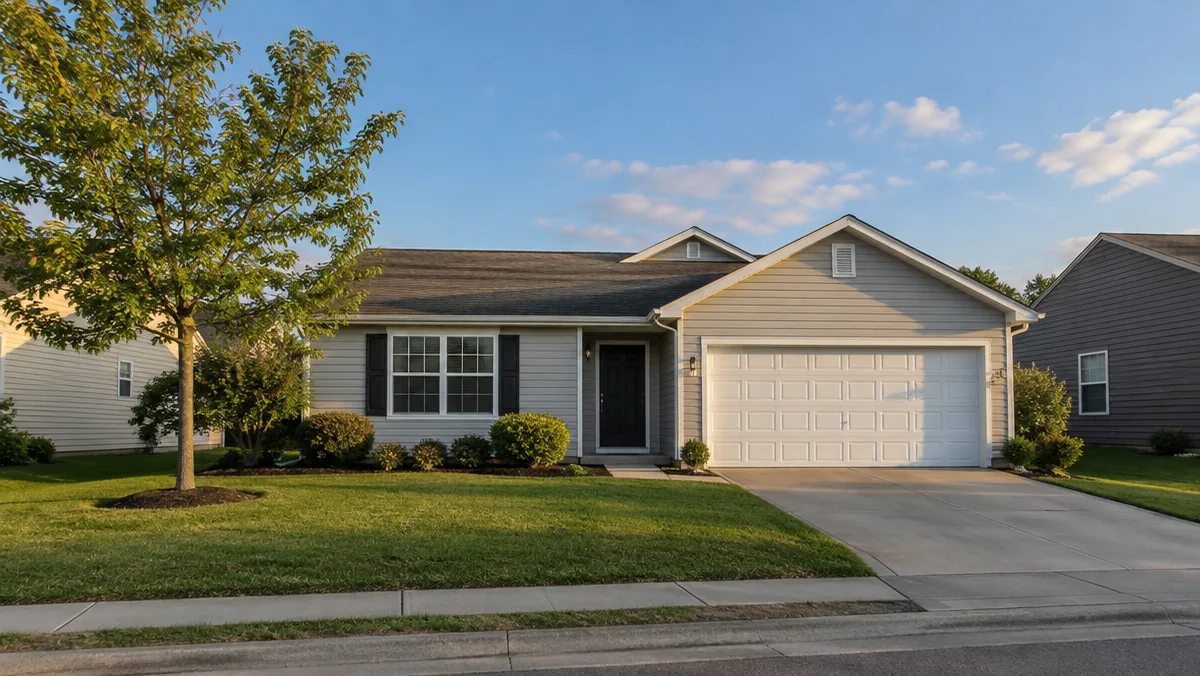

Definition
A modular home is built in large sections inside a factory, then transported to its site and assembled on a permanent foundation, much like a traditionally site-built house. Unlike manufactured or mobile homes, modular homes are constructed to meet the same state and local building codes as homes built entirely on-site, rather than a separate federal HUD code. Because of that, modular homes are typically financed, appraised, and taxed just like conventional site-built houses, without the classification questions that come up with manufactured or mobile homes. For a seller, this means a modular home usually doesn't carry the same financing hurdles or buyer hesitation that other factory-built homes sometimes face. Buyers and appraisers do occasionally need to confirm that a home is modular rather than manufactured, since the distinction isn't always obvious from the outside, so having documentation on hand can smooth the process. Selling a modular home follows essentially the same path as selling any other single-family home, including with a cash buyer if speed and certainty matter most. The distinction that determines value is the building code. A modular home is built in sections in a factory but must meet the same state and local building codes as a site-built house, so it is titled as real property and financed and appraised like any other home. A manufactured or mobile home is built to the federal HUD code and is frequently titled as personal property, which is a very different situation for financing and resale.
Real seller example
Lorraine's home was built in modular sections at a factory two states away, then assembled on a permanent foundation on her lot fifteen years ago. When she lists the home for sale, a potential buyer's lender initially confuses it with a manufactured home and asks for clarification before agreeing to move forward with underwriting. Lorraine digs through her old paperwork and finds the original builder's documentation showing the home was built to state building code as a modular home, not under the federal HUD manufactured-home standard. She sends copies of the permit records and builder's certification to the lender directly. With that confirmed, the buyer's financing proceeds without further complications, and the sale closes on the timeline they originally planned. Lorraine says keeping her original builder paperwork all these years turned out to be more useful than she ever expected. For a seller, that means the paperwork trail matters: the building permit, the certificate of occupancy and the recorded deed showing the home as part of the real estate. With those in hand, a modular home sells through the same channels and the same comps as a comparable site-built house.
Frequently asked questions
No, a modular home is built to the same state and local building codes as a site-built house, while a manufactured home is built to a separate federal HUD code. This difference affects financing and how the home is classified.
Generally not, since they're financed and appraised the same way as traditional homes. Occasional confusion with manufactured homes can come up, but documentation usually resolves it quickly.
It's helpful to have documentation from the original builder confirming it was constructed to state building code as a modular home. This can prevent confusion with manufactured or mobile homes during a buyer's financing process.
In most markets, yes, since appraisers treat modular homes similarly to site-built homes when comparable sales are available. Location and condition matter more to the appraisal than the construction method.
Your local building department typically keeps permit and inspection records on file that can confirm the home's classification. A title company or real estate attorney can also help track down the necessary documentation if it's missing.
Yes, a cash buyer can purchase a modular home the same way they would any single-family home, without needing to resolve classification questions the way a lender might. This makes it a straightforward option if you want a fast, uncomplicated sale.
Age affects a modular home's value in largely the same way it does a site-built house, based on condition, updates, and local market comparables. It doesn't carry the same additional financing penalties that older manufactured or mobile homes sometimes face.
Generally yes, when they are permanently affixed and titled as real property. Appraisers use comparable local sales, and a modular home in good condition on a permanent foundation is treated much like a comparable site-built house.
No. Modular homes are built to state and local building codes and titled as real estate. Manufactured homes are built to the federal HUD code and are often titled as personal property unless converted.
Usually not, provided it is on a permanent foundation and titled as real property. Lenders treat it as standard residential real estate, and buyers value it against local comps.