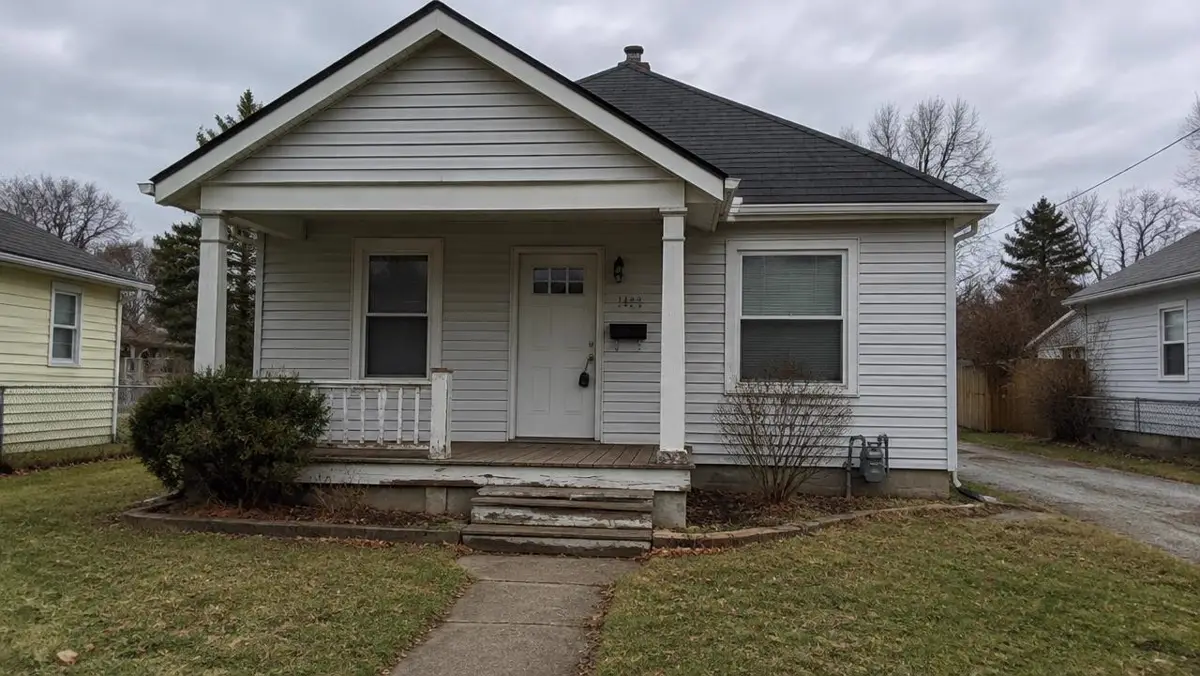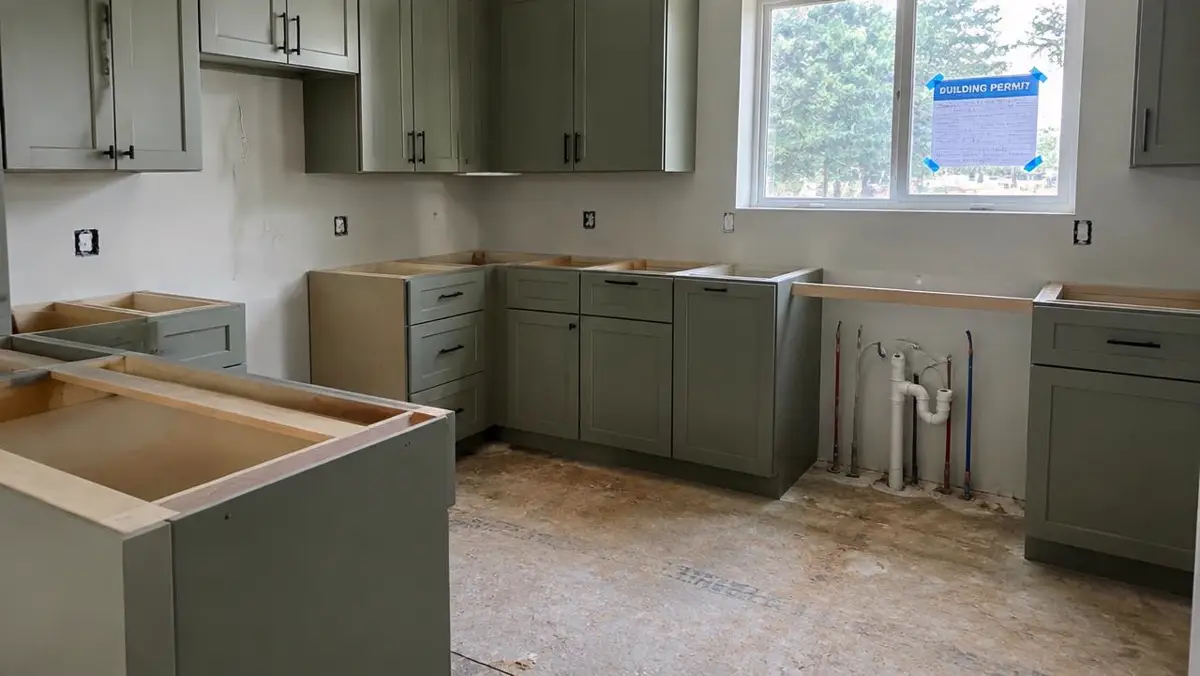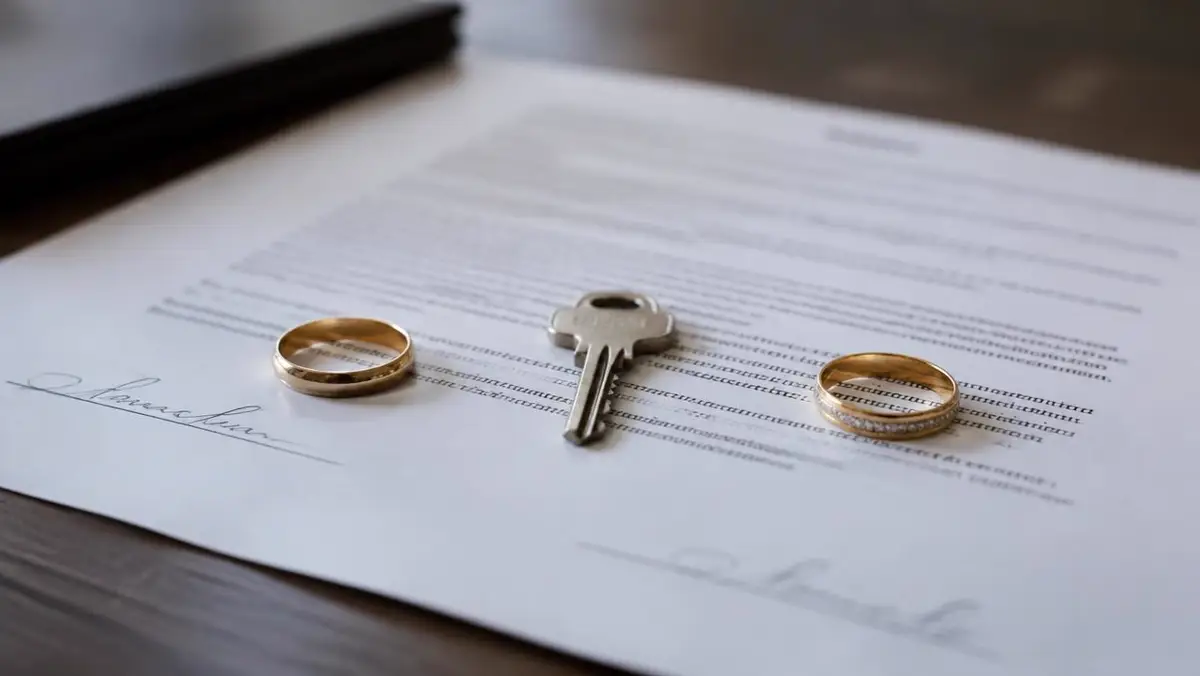
Start here: this article is part of our distressed sales collection. For the full picture, read our complete guide, Can You Sell a House With Foundation Problems? Your Complete Guide.
Quick answer: The fastest way to sell a house during a divorce is a direct cash sale: a buyer like SilverCrest Estates provides one firm, no-obligation offer both spouses can agree on and closes in about 21 days — no repairs, showings, or drawn-out listing — so both parties can divide the proceeds and move on.
Divorce home sale options
| Option | Time | Agreement needed |
|---|---|---|
| One spouse buys out the other | Refinance time | Price + refinance |
| List with an agent | 60–120 days | Price, repairs, showings |
| Direct cash sale | As little as 21 days | Just the sale and split |
Divorce is one of life's most challenging experiences, bringing a wave of complex decisions. Among them, deciding what to do with the shared family home often takes center stage. For many, selling the house quickly becomes a top priority—not just for financial stability, but for emotional closure and a clean break.
This article outlines the fastest ways to sell your home during a divorce, focusing on solutions that offer speed, simplicity, and certainty. We'll also cover essential legal and financial considerations to help you navigate this process.
Why Selling Quickly During Divorce Matters
When a marriage ends, the shared home is more than just property; it's a significant financial asset, an emotional anchor, and a source of ongoing obligations. A fast sale during a divorce can dramatically reduce stress and allow both parties to move forward independently.
Emotional and Legal Pressures
The emotional toll of divorce is immense. A lingering connection to the marital home can prolong feelings of sadness, anger, or frustration. A quick sale creates a clean break, helping both individuals start fresh without constant reminders of the past.
Legally, a jointly owned home can become a major point of conflict. Until the property is sold, both parties often remain legally and financially entwined. This means shared responsibility for mortgage payments, property taxes, insurance, and maintenance. Disputes over these costs can escalate, leading to additional legal fees and delaying the finalization of the divorce settlement.
Financial Obligations and Risk
Many couples face significant financial strain during a divorce. Maintaining two separate households while still paying for one mortgage can be incredibly challenging. If one party moves out, they might still be legally obligated to contribute to the mortgage, even while paying rent elsewhere. This can quickly drain savings and lead to financial instability.
Property values also fluctuate. A lengthy sale process carries the risk that market conditions might worsen, impacting the final sale price and the equity available for division. A swift sale locks in the current market value, providing more certainty during an uncertain time.
Needing a Clean Break
Ultimately, a quick sale provides clarity. It allows both individuals to divide assets, pay off debts, and move on to their next chapter. It removes a major source of potential conflict and provides the financial resources needed to establish separate lives. For a more comprehensive overview of navigating this process, our Complete Guide to Selling Your House During Divorce offers additional insights.
Married couples can generally exclude up to $500,000 of gain on a primary residence if both meet the use test; after divorce, each spouse may exclude up to $250,000 on their share.
Option 1: Selling Directly for Cash
When speed and simplicity are paramount during a divorce, selling your home directly for cash is often the fastest and most straightforward solution. Companies like SilverCrest Estates specialize in buying houses directly, removing many of the traditional hurdles of selling real estate.
How We Make it Easy
Our process is designed for minimal stress. Instead of listing your house on the open market, you contact us directly. We learn about your property and its condition, then provide a fair, no-obligation cash offer. There are no agent commissions to pay, and we cover typical closing costs. You can learn more about How Our Simple Process Works.
Here’s why this option is particularly appealing for divorcing couples:
- Unmatched Speed: We can close on your timeline, in as little as 21 days, or even faster if needed. This allows you to divide assets and move on quickly.
- Sell As-Is: No need for repairs, renovations, or even extensive decluttering. We buy houses in any condition, saving you time, money, and the emotional burden of fixing up a property you're leaving behind. This is especially beneficial if the house needs significant work or if both parties disagree on who should pay for repairs.
- No Showings: Your privacy and emotional space during a divorce are crucial. With a direct cash sale, you avoid open houses, repeated showings, and strangers walking through your home, which can be particularly intrusive during a difficult time.
- Certainty: Once we make an offer and agree on terms, that's the price you get. There are no last-minute renegotiations based on inspection reports or buyer financing falling through. This certainty is invaluable when trying to finalize a divorce settlement.
- Reduced Stress: Selling a home traditionally can be one of life's most stressful events. Adding that to the stress of a divorce is often unbearable. A direct cash sale streamlines the process, allowing you to focus on other important aspects of your divorce and future.
Direct Cash Sale vs. Traditional Listing: A Comparison
Let's compare the potential outcomes. While a traditional sale might aim for a higher gross price, the costs and delays can significantly eat into your net proceeds and extend the timeline.
Here’s a simplified look at the trade-offs:
When a cash sale may not be your best option
If your home shows well, your timeline is flexible, and getting top dollar matters more than speed or convenience, a traditional listing is often the better choice. Sellers in strong markets with updated homes usually do best on the open market. A direct sale to SilverCrest Estates fits when you value a set closing date, no showings, and no repairs more than squeezing out the last few thousand dollars. See the trade-offs side by side on our cash vs. listing comparison.
Choosing the method both spouses can agree on
The fastest sale is the one both spouses will sign. Some ways couples reach agreement:
- Use neutral numbers. A professional appraisal or two written offers removes arguments over value.
- Agree on decision rules up front, such as "we accept any offer above X" or "we take the higher of these two."
- Let attorneys or a mediator handle communication if direct talks are tense.
- Set a deadline in the settlement for when the house will be listed or sold.
If one spouse refuses to cooperate, the court can order a sale. That's slower and usually more expensive.
What happens to the proceeds
At closing, the title company pays off the mortgage, liens, and costs. The remaining money can be split according to your agreement or held in escrow until the divorce is final, if attorneys request it. Make sure the title company has written instructions from both sides.
Taxes to discuss with a professional
Married couples can generally exclude up to $500,000 of gain on a primary residence if both meet the use test; after divorce, each spouse may exclude up to $250,000 on their share. Timing the sale before or after the divorce can change the result. A tax professional can run both scenarios.
Cash vs. listing during a divorce
A traditional listing requires both spouses to agree on price, repairs, showings, offers, and counteroffers, often for months. A direct cash sale replaces most of those decisions with one: accept a written offer and pick a date. For many couples, fewer decisions means less conflict and a cleaner end. See our divorce situation page for how a direct sale works.
Keep the house maintained
Until the sale closes, keep paying the mortgage, taxes, and insurance. Missed payments hurt both spouses' credit.
Related Guides
- Selling Your House During Divorce
- How to Sell Your House Fast in 2025
- Should I Sell or Rent My House?
- Glossary: equity
Need a fast, private sale? See what your home is worth — free and no obligation.
Frequently asked questions
Can I sell my house if my ex-spouse doesn't agree?
Generally, all owners listed on the deed must agree to sell the property. If an agreement can't be reached, a court may order the sale as part of the divorce decree. Always consult your divorce attorney for legal guidance on your specific situation.
How fast can a cash buyer close on a house during a divorce?
With a direct cash buyer like SilverCrest Estates, you can typically close in as little as 21 days. This offers a significantly shorter timeline compared to a traditional market sale, which often takes months, providing crucial speed during a divorce.
Do I need to make repairs before selling my house in a divorce?
If you sell traditionally, repairs are often needed to attract buyers and maximize value. However, when selling to SilverCrest Estates, we buy your house in its current 'as-is' condition. This means you avoid the time, cost, and emotional burden of fixing anything.
What happens if there's a mortgage on the house we're selling during our divorce?
You can definitely sell a house with an existing mortgage. The first step in the sale process is to use the proceeds to pay off the outstanding mortgage balance. Any remaining equity is then divided between you and your ex-spouse according to your divorce settlement or agreement.
Sources & further reading
Primary sources we consulted for this article. Rules vary by state and change over time — always confirm against the original source.
- 1Publication 504, Divorced or Separated Individuals
Internal Revenue Service
Tax treatment of property transferred or sold between spouses in a divorce.
- 2Publication 523, Selling Your Home
Internal Revenue Service
How the home-sale gain exclusion and basis rules apply when you sell.
- 3Find a HUD-approved housing counseling agency
U.S. Department of Housing and Urban Development
Free, independent advice before you accept any offer on your home.

About the author
Jennifer Martinez
Real Estate Transaction Specialist
Jennifer Martinez works with the SilverCrest Estates acquisitions team, helping homeowners across 50+ US markets understand their options and close on their own timeline.
Disclaimer: This article is for general information only and is not legal, tax, or financial advice. Real estate rules vary by state and change over time. Consult a licensed attorney, tax professional, or financial advisor about your specific situation before acting.