Start here: this article is part of our seller questions collection. For the full picture, read our complete guide, Can You Sell a House With a Mortgage? Everything You Need to Know.
The home inspection is where more deals fall apart than almost any other point in the process. Even a strong offer can unravel — or turn into a second round of negotiation — once the inspector's report lands. Understanding how inspections work, and how they affect your sale, lets you prepare instead of scramble.
How an inspection plays out
- 1
Buyer inspects
Usually within the option/contingency period
- 2
Report delivered
Lists defects and safety items
- 3
Repair request
Fix, credit, or price cut
- 4
You respond
Agree, counter, or let buyer walk
What a Home Inspection Actually Is
After a buyer's offer is accepted, they typically hire a licensed inspector to examine the home's condition: roof, foundation, electrical, plumbing, HVAC, appliances, and more. The buyer usually has an inspection contingency — a window during which they can renegotiate or walk away based on what's found. It's a normal, expected step, not a sign anything is wrong.
Why Inspections Derail Deals
Three things happen after most inspections:
- The buyer requests repairs before closing.
- The buyer asks for a price reduction or credit instead of repairs.
- The buyer walks if the findings are serious enough (or uses them as an exit).
Financed buyers are especially sensitive because their lender may require certain safety or habitability issues to be fixed before the loan funds. A single major finding — foundation, roof, or an active leak — can stall or kill a deal.
The Most Common Deal-Breakers
- Foundation or structural movement
- Roof at the end of its life
- Electrical hazards (old panels, unsafe wiring)
- Plumbing leaks and water damage
- HVAC failure
- Mold, pests, or moisture intrusion
How to Prepare Before You List
You can defuse most inspection surprises in advance:
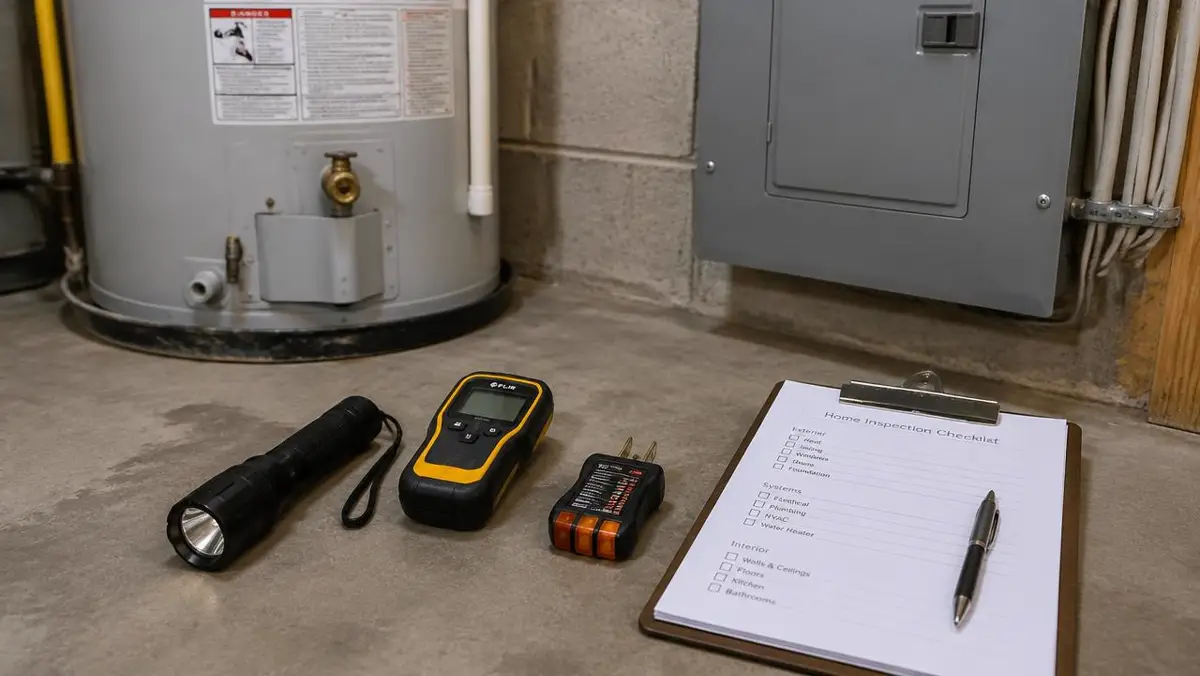
- Get a pre-listing inspection. Finding issues yourself lets you fix or disclose them on your terms rather than mid-deal.
- Do the cheap, visible fixes — see our pre-sale checklist.
- Get a repair estimate for anything major so you know your options and numbers ahead of time.
- Disclose known issues upfront. It filters for serious buyers and protects you legally — see required seller disclosures.
Responding to the Inspection Report
When repair requests come in, you have choices — and leverage depends on your market:
- Agree to the repairs (do the work before closing)
- Offer a seller concession or credit instead — often cheaper and faster than doing the work yourself
- Meet in the middle on the biggest items
- Hold firm if you have backup offers or a strong market
Approach it as a negotiation, not an ultimatum — our guide to negotiating home sale offers covers the tactics.
The home inspection is where more deals fall apart than almost any other point in the process.
The As-Is and Cash Alternative
If your home has known issues you don't want to fix, selling as-is sets expectations upfront — but financed buyers still get inspections, and their lenders can still object. The cleanest way to remove inspection risk entirely is a cash offer: a direct buyer purchases with full knowledge of condition, so there's no repair renegotiation and no lender to satisfy. That's why sellers with older or problem homes often prefer it.
Frequently Missed Items That Surface at Inspection
Sellers are often blindsided by findings they never thought about. The most common surprises:
- Aging roof or HVAC nearing end of life — expensive and highly visible to buyers
- GFCI outlets missing near water sources (a routine safety call-out)
- Grading and drainage directing water toward the foundation
- Minor active leaks under sinks or around water heaters
- Deferred maintenance — dirty filters, failing seals, worn caulk — that signals neglect
Knocking out the cheap items on this list before you list removes a chunk of the inspector's report before it's ever written.
Buyer's Inspection vs. Your Pre-Listing Inspection
A buyer's inspection happens after you're under contract, when a bad surprise has maximum leverage to blow up the deal or force a price cut. A pre-listing inspection flips that dynamic: you find the issues on your own timeline, decide what to fix versus disclose, and price accordingly — no mid-deal ambush. The modest cost of a pre-listing inspection often pays for itself many times over in preserved negotiating position.
If your home has known issues you simply don't want to fix, be upfront. Selling as-is sets expectations, and pricing to reflect condition (using recent comparable sales) attracts the right buyers. The cleanest way to remove inspection risk entirely, though, is a cash offer from a buyer who purchases with full knowledge of condition — no repair list, no lender re-approval, no renegotiation window. For homes that would struggle to pass a financed buyer's inspection, that certainty is often worth more than chasing a higher price that never closes.
When a cash sale may not be your best option
If the repairs are small (paint, fixtures, a minor roof patch) and you have the cash and time to finish them, fixing up and listing can return more than the repair cost. That's also true when the house is in a neighborhood where updated homes sell quickly at a premium. A cash, as-is sale makes the most sense when repairs are large, uncertain, or you'd have to borrow for them. Compare an as-is cash offer with listing using real contractor bids — not guesses — before you decide.
How to respond to a repair request
When the buyer sends a repair request after inspection, you generally have four choices:
- Make the repairs before closing, using licensed contractors and keeping receipts.
- Offer a credit at closing instead, which lets the buyer handle repairs and avoids delays.
- Reduce the price, which can affect the buyer's loan amount and appraisal.
- Decline, which may lead the buyer to cancel under their inspection contingency.
Credits are often the simplest. Focus on safety items and major systems; cosmetic requests are usually negotiable. Always respond in writing within the contract's deadline.
What a pre-listing inspection costs and buys you
A general home inspection typically costs a few hundred dollars, more for larger or older homes and for add-ons like sewer scopes or radon tests. In exchange, you learn about problems before a buyer does, on your schedule. You can fix the cheap items, get repair quotes for the expensive ones, and price or disclose accordingly. Keep in mind that once you know about a material defect, most states require you to disclose it, so be prepared to share findings.
Specialty inspections buyers may order
- Sewer scope for older homes with clay or cast-iron lines.
- Radon test, common in many regions.
- Wood-destroying insect (termite) inspection, often required by VA loans in certain areas.
- Structural engineer if the general inspector notes foundation concerns.
- HVAC or roof specialist for systems near end of life.
- Septic and well inspections for rural properties.
Each one adds days to the inspection period and is another chance for renegotiation. That's why some sellers prefer an as-is sale to a buyer who doesn't require a financing-driven inspection process.
The as-is inspection difference
In a direct cash sale, the buyer still looks at the house, but there's no lender requiring repairs, and the price already reflects the condition. You don't receive a repair list. You receive a closing date.
What to do this week
Consider a pre-listing inspection. Fix inexpensive safety items, get quotes for bigger issues, and decide which to repair, credit, or disclose.
Key points to remember
- Inspections are the most common point of renegotiation.
- A pre-listing inspection lets you control the timeline.
- Credits are often simpler than repairs.
- Respond to repair requests in writing before deadlines.
- As-is cash sales avoid lender-driven repair lists.
Related questions sellers ask next
For the follow-up questions inspection reports raise, see whether you can sell as-is without an inspection and what not to fix when selling.
The Bottom Line
Inspections affect your sale by opening a second negotiation and giving financed buyers a reason to renegotiate or walk. Prepare with a pre-listing inspection, fix the cheap stuff, and disclose the rest. If you'd rather skip the inspection gauntlet altogether, an as-is cash sale removes it. SilverCrest Estates buys homes regardless of what an inspection would find — request a free, no-obligation offer.
Frequently asked questions
What does the selling process look like start to finish?
With SilverCrest Estates: you share the property details, we underwrite it and send a written offer (usually within 24 hours), we confirm condition with a brief walkthrough, then title work runs while you pick a closing date. You sign at the title company or remotely, and funds are wired the same day the deed records.
What paperwork do I need to sell?
Photo ID, the deed or your parcel number, your mortgage payoff information, and any HOA details. Estates, divorces, and trusts add documents — letters testamentary, a divorce decree, or the trust certification. Gathering these before closing is the simplest way to keep a fast timeline intact.
Who handles the title work and the money?
A licensed title company or closing attorney runs the title search, clears liens, prepares the settlement statement, and disburses funds. Earnest money and sale proceeds move through their escrow account, never directly between buyer and seller — that's the structural protection in a legitimate transaction.
Sources & further reading
Primary sources we consulted for this article. Rules vary by state and change over time — always confirm against the original source.
- 1What to expect at closing
Consumer Financial Protection Bureau
The federal consumer-protection walkthrough of the closing appointment and documents.
- 2Title insurance explained
Consumer Financial Protection Bureau
What owner's and lender's title policies cover and who typically pays for them.
- 3Profile of Home Buyers and Sellers
National Association of Realtors
Annual research on why sellers move, how they choose a sale method, and what it costs them.
- 4Lead-Based Paint Disclosure Rule for Real Estate
U.S. Environmental Protection Agency
Federal disclosure required for most homes built before 1978.

About the author
Michael Thompson
Home Selling Expert
Michael Thompson works with the SilverCrest Estates acquisitions team, helping homeowners across 50+ US markets understand their options and close on their own timeline.
Disclaimer: This article is for general information only and is not legal, tax, or financial advice. Real estate rules vary by state and change over time. Consult a licensed attorney, tax professional, or financial advisor about your specific situation before acting.