Start here: this article is part of our distressed sales collection. For the full picture, read our complete guide, Can You Sell a House With Foundation Problems? Your Complete Guide.
Quick answer: You can sell a house with squatters in it, but most retail buyers and lenders won't touch it until they're removed. The usual paths are a police removal (where your state allows it), a court eviction, or selling as-is to a cash buyer who takes over the problem. SilverCrest Estates buys occupied and squatter-affected houses directly, as-is, and closes in as little as 21 days.
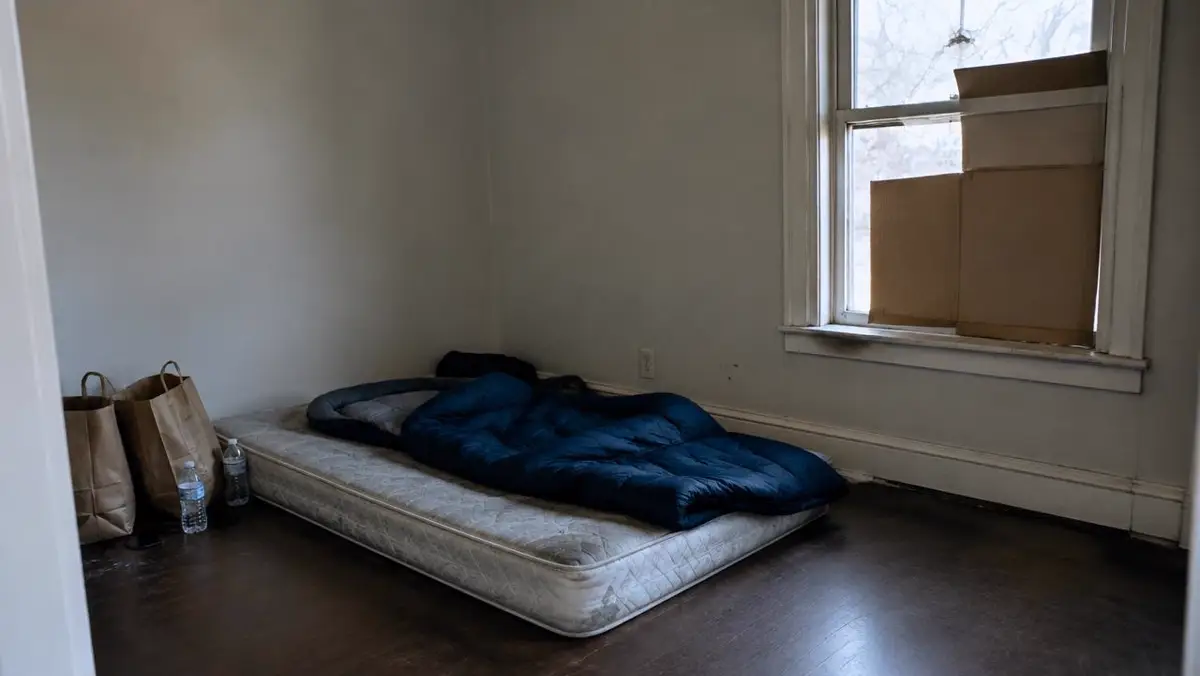
Few things feel worse than driving to a house you own and finding a stranger's car in the driveway and new locks on the door. It happens most to homes that sit empty: an inherited house during probate, a rental between tenants, a property owned by someone who lives out of state.
Here's what you are actually dealing with, what the law lets you do, and how to get the house sold without the situation dragging on for a year.
Squatter, trespasser, or tenant?
The label matters because it decides which removal process applies.
- Trespasser: Someone who just entered without permission. In many states, police can remove a trespasser if you report it quickly and can prove ownership.
- Squatter: Someone who has been living there for a while and may claim a right to stay, sometimes with a fake lease. Police often call it a "civil matter" and tell owners to go to court.
- Holdover tenant or former guest: Someone who once had permission. They are generally treated as a tenant and need a formal eviction.
If the person shows any paperwork, even a lease you have never seen, assume you will need a court process and talk to a local landlord-tenant attorney.
The removal options
How owners typically remove squatters
| Method | When it works | Typical timeline | Cost to owner |
|---|---|---|---|
| Police trespass removal | Recent entry, no claimed lease, state allows it | Same day to a few days | Low |
| Sheriff removal under new squatter laws | States like Florida (2024) with an affidavit process | Days to a few weeks | Filing fee |
| Unlawful detainer / eviction | Squatter claims tenancy or police decline | 1–4 months, longer in busy courts | Filing + attorney fees |
| Sell as-is to a cash buyer | Any of the above, or you just want out | As little as 21 days | None out of pocket |
Several states have tightened their laws recently. Florida's 2024 law (HB 621) lets an owner file a sworn affidavit with the sheriff to remove unauthorized occupants without a lengthy lawsuit, and makes some squatter fraud a felony. New York clarified in 2024 that squatters are not tenants, making police removal easier. Other states are considering similar bills, so check the current rules where your house is.
What you should never do
It's tempting to handle it yourself. Don't.
- Changing the locks, removing the doors, or shutting off utilities while someone is living there is called a "self-help eviction" and is illegal in most states. It can make you liable for damages.
- Removing their belongings can expose you to claims of theft or conversion.
- Confronting them physically is a safety risk and can turn a property problem into a criminal case.
Document everything instead: photos, dates, police report numbers, and any communication.
Can squatters take ownership of my house?
This is the question everyone asks. In theory, yes, through adverse possession. In practice, it is very hard. A squatter generally must occupy the property openly, continuously, and without permission for the full statutory period, which ranges from about 5 to 30 years depending on the state. Some states also require them to pay the property taxes during that time.
If you are reading this, you almost certainly have plenty of time to act. The real risk is not losing the title; it is damage, liability, and a stalled sale while the house sits occupied.
Adverse possession periods vary widely by state (examples)
Florida's 2024 law (HB 621) lets an owner file a sworn affidavit with the sheriff to remove unauthorized occupants without a lengthy lawsuit, and makes some squatter fraud a felony.
Why a squatter-occupied house is hard to sell the normal way
- Showings are impossible when you can't get inside.
- Lenders require access for an appraisal and won't fund an occupied, disputed property.
- Title companies may flag the occupancy and ask for it to be resolved first.
- Insurance can lapse on a vacant or occupied-without-permission home, leaving you exposed.
- Condition is a mystery. You may not know what's been damaged until they're gone.
All of that pushes a traditional sale back by months, and every month adds taxes, utilities, insurance, and risk.
Selling as-is while squatters are still there
A direct buyer prices the house knowing it is occupied and that the condition is uncertain. In exchange, you skip the removal process, the repairs, and the waiting.
How a direct sale works with an occupied house
- 1
Tell us what's happening
Address, how long they've been there, any police reports
- 2
Offer based on exterior and records
No interior access needed to make an offer
- 3
Title opens
We confirm ownership and liens
- 4
Close on your date
Often in as little as 21 days
- 5
We handle the occupants
Removal becomes our responsibility after closing
You still need clear title and authority to sell. If the house is part of an estate, the executor will sign. If you live far away, everything can be signed remotely with a mobile notary. Our guide to selling an inherited house from out of state covers the remote side.
Preventing it from happening again
If you own other vacant properties, a few low-cost steps make a big difference:
- Visit or have someone check the house at least weekly.
- Keep the yard maintained and mail collected so it doesn't look abandoned.
- Post No Trespassing signs; in some states this strengthens a police trespass claim.
- Install timers on lights and a simple camera or smart doorbell.
- File a trespass authorization with your local police department if they offer one, allowing officers to act without calling you first.
When a cash sale may not be your best option
If the property cash-flows, the tenants are reliable, and you're happy managing it (or paying a manager), keeping it may build more wealth than selling. Sellers planning to buy another rental may also look into a 1031 exchange with a tax advisor before selling. A cash sale fits best when you're tired of managing, the tenants or condition make listing hard, or you want out on a set date. Compare the numbers on our cash vs. listing page.
Documents that speed up removal and sale
Whether you go through police, an eviction case, or sell occupied, paperwork makes everything faster:
- Proof of ownership: your recorded deed and recent property tax bill.
- Proof the occupants have no lease: a statement that you never rented to them, plus utility records showing the home was vacant.
- Photos and dates: when you discovered the occupants, the condition of the property, and any damage.
- Police report numbers from every contact.
- Any communication with the occupants, kept in writing where possible.
Courts and buyers both respond better when you can show a clear timeline.
What it costs you while they stay
Squatter situations get more expensive the longer they last. You keep paying property taxes, insurance, and any mortgage. Utilities may be running up in your name. Damage can grow. Some insurance policies limit coverage for vacant or illegally occupied homes, so call your agent and ask what's covered. Weigh those costs against the time a court case will take in your county when deciding whether to wait or sell now.
The bottom line
Squatters are a legal and logistical headache, but they do not take away your right to sell. If you have the time and budget, remove them through the proper legal channel and then sell. If you would rather be done with it, a direct as-is sale lets you hand off the problem and get paid. See how we approach these homes on our squatters situation page or get your cash offer today.
Frequently asked questions
Can I sell my house if squatters are living in it?
Yes. You remain the legal owner and can sell, but most buyers who use a mortgage cannot close on an occupied, disputed property. A cash buyer who purchases as-is can close while the squatters are still there and take responsibility for removing them after closing.
Can I call the police to remove squatters?
Sometimes. If the entry is recent and the person has no claimed lease, many departments will treat it as trespassing. If the occupant shows any paperwork or has been there a while, police often call it a civil matter. Newer laws in states like Florida and New York make police or sheriff removal easier.
How long does it take to evict a squatter?
When a court eviction is required, the process typically takes one to four months, and longer in crowded court systems or if the occupant contests it. A sheriff affidavit process, where available, can take days to a few weeks. Selling as-is avoids the wait entirely for the seller.
Is it legal to change the locks on a squatter?
In most states, no. Changing locks, removing doors, or cutting utilities on someone living in the property is considered a self-help eviction and can expose the owner to lawsuits and damages. Use the police, the sheriff, or a court eviction instead, and document everything along the way.
Sources & further reading
Primary sources we consulted for this article. Rules vary by state and change over time — always confirm against the original source.
- 1CS/HB 621 (2024) — Property Rights
The Florida Senate
Florida's 2024 law allowing sheriff removal of unauthorized occupants by owner affidavit.
- 2Adverse possession
Legal Information Institute, Cornell Law School
Elements a squatter must prove to claim title through adverse possession.
- 3Local housing information by state
U.S. Department of Housing and Urban Development
State-level housing resources and offices.

About the author
Michael Thompson
Acquisitions Director
Michael Thompson works with the SilverCrest Estates acquisitions team, helping homeowners across 50+ US markets understand their options and close on their own timeline.
Disclaimer: This article is for general information only and is not legal, tax, or financial advice. Real estate rules vary by state and change over time. Consult a licensed attorney, tax professional, or financial advisor about your specific situation before acting.