Start here: this article is part of our selling your home collection. For the full picture, read our complete guide, How to Sell Your House Fast: The Complete Homeowner's Guide.
Selling a vacant house comes with a specific set of challenges most sellers don't anticipate. An empty home can actually be harder to sell than an occupied one — it shows cold, invites risk, and costs you money every month it sits. Here's how to sell a vacant property quickly while protecting it in the meantime.
Vacant house checklist
| Task | Why |
|---|---|
| Tell your insurer it's vacant | Many policies limit coverage after 30–60 days |
| Winterize or keep utilities on | Prevents burst pipes and mold |
| Schedule check-ins | Deters break-ins and squatters |
| Decide: stage & list or sell as-is | Empty rooms can sell slower |
Why Vacant Homes Sell Slower
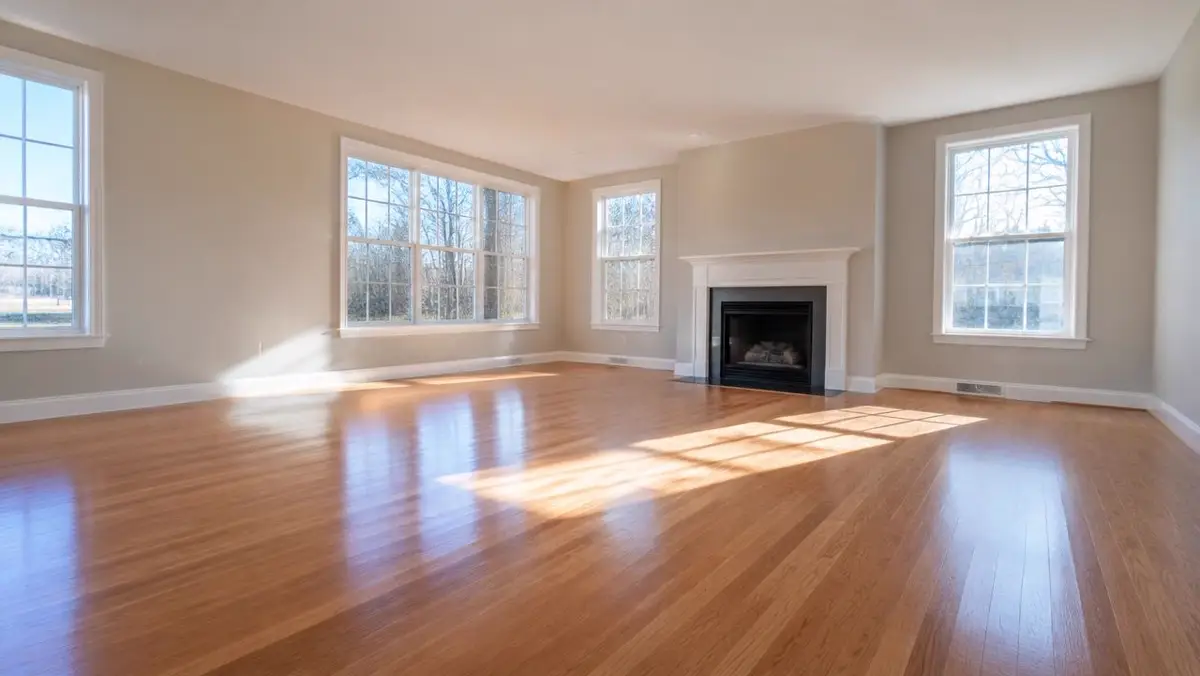
Buyers struggle to connect with empty rooms. Without furniture for scale, spaces can feel smaller and flaws — scuffs, dated fixtures, uneven floors — stand out. Vacant homes also signal motivation, which can invite lower offers. And every month the home sits vacant, you're paying the mortgage, taxes, insurance, and utilities with nothing coming in. Speed matters more here than almost any other scenario.
Protect the Property While It's Empty
A vacant home is a target. Before anything else, reduce your risk:
- Vacant-home insurance: Standard homeowner policies often limit or void coverage once a home is unoccupied for 30–60 days. Call your insurer — this gap catches many sellers off guard.
- Security: Keep some lights on timers, maintain the exterior so it looks lived-in, and consider a monitored alarm or camera.
- Maintenance: Keep utilities on for showings, prevent frozen pipes in winter, and keep the lawn and landscaping up.
- Mail and deliveries: Forward mail so a pile-up doesn't advertise the vacancy.
Make an Empty Home Show Well
If you're listing, help buyers picture living there:
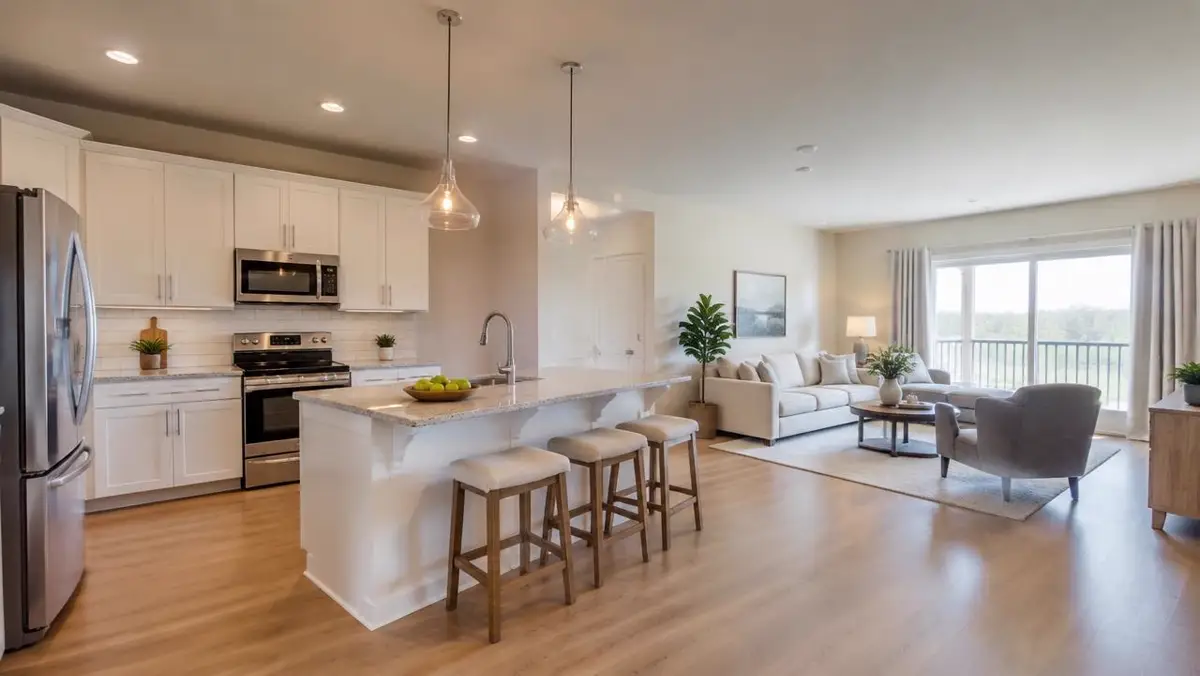
- Virtual or light staging of key rooms (living room, primary bedroom) adds warmth for far less than full staging.
- Deep clean and fresh neutral paint — flaws are more visible when rooms are empty, so spotless matters.
- Maximize light: open blinds, replace dead bulbs, clean windows.
Pair this with our pre-sale checklist and what buyers look for in a home.
Your Selling Options
Sell as-is to a cash buyer (fastest)
Ideal when the home is dated, you're managing it from out of state (common with relocation or inherited property), or you want to stop the monthly bleed of carrying costs. You sell in as-is condition and close in days — no staging, no showings, no insurance gymnastics. See how to sell your house fast.
List traditionally
Best when the home is updated and you can absorb the carrying costs during a normal listing period. Budget for staging and be prepared to keep protecting the empty home throughout.
See [how to sell your house fast](/blog/how-to-sell-your-house-fast-complete-guide-2025).
Price to Reflect Carrying Costs
Every month on the market costs you real money. Pull comparable sales, price realistically from day one, and factor your monthly carrying cost into what a longer sale actually nets you. Sometimes a slightly lower offer that closes now beats a higher one three months away.
Common Vacant-Home Mistakes
- Letting insurance lapse into a vacancy gap
- Leaving the home visibly empty and unmaintained (a magnet for vandalism)
- Overpricing and ignoring the mounting carrying costs
- Forgetting to winterize in cold climates
A Vacant-Home Sale Timeline
Because a vacant home costs you money every day, move deliberately:
- Before it's empty: Call your insurer about a vacancy endorsement, set light timers, and stop or forward mail. Take listing photos while any staging is still in place if you can.
- Week 1: Deep clean, touch up neutral paint, and add light or virtual staging to the key rooms. Confirm utilities stay on for showings.
- Weeks 2–4: List and show aggressively — the first two weeks draw the most interest. Maintain the lawn and exterior so the home never looks abandoned.
- Past 30 days: Reassess price quickly. A vacant listing that lingers signals motivation and invites lowball offers, so don't let it drift.
When Speed Beats Price on a Vacant Home
Run the simple math: every month on the market is another month of mortgage, taxes, insurance (often at higher vacant-home rates), and utilities with no offsetting income. If your carrying cost is $2,500 a month, a sale that closes now versus three months from now is worth $7,500 to you before you even compare offers. That's why an as-is cash offer — which closes in about a week on a date you choose — frequently nets more than a higher listing price that takes months to materialize. It's especially compelling for out-of-state owners managing the property remotely after a relocation or an inheritance, where each trip back adds cost and hassle. Weigh the guaranteed, immediate close against the uncertain, delayed one, and factor your true monthly carrying cost into the comparison rather than looking at sticker price alone.
When a cash sale may not be your best option
If your home shows well, your timeline is flexible, and getting top dollar matters more than speed or convenience, a traditional listing is often the better choice. Sellers in strong markets with updated homes usually do best on the open market. A direct sale to SilverCrest Estates fits when you value a set closing date, no showings, and no repairs more than squeezing out the last few thousand dollars. See the trade-offs side by side on our cash vs. listing comparison.
Insurance for a vacant home
Standard homeowners policies often limit or exclude coverage once a home has been vacant for a set period, commonly 30 or 60 days. Damage from vandalism, theft, or burst pipes may not be covered. Call your insurer, tell them the home is vacant, and ask about a vacancy endorsement or a separate vacant-dwelling policy. It costs more, but an uninsured loss on an empty house can wipe out years of equity.
A monthly carrying-cost check
Write down what the empty house costs you each month: mortgage, taxes, insurance, utilities, lawn care, and HOA dues. Multiply by the number of months it's likely to take to sell. That number belongs in your comparison when you weigh a faster sale against holding out for a higher price.
Staging an empty home on a budget
Empty rooms look smaller and highlight every flaw. You don't need to furnish everything. Focus on the living room, kitchen, and primary bedroom. Rent a few key pieces, add rugs, lamps, and simple art, and keep the lights on timers for showings. Virtual staging in listing photos can also help buyers picture the space, as long as the listing makes clear the photos are staged.
Keeping a vacant home secure
- Install timers on lights and consider a basic camera or alarm.
- Stop mail or forward it, and keep the yard maintained.
- Ask a neighbor to keep an eye out and call you about anything unusual.
- Check that doors and windows lock, and remove valuables.
- Visit or have someone visit at least weekly, especially in winter.
Vacant homes attract break-ins and squatters, which can cost far more than prevention. If you're far away and the house is sitting, a direct sale can end the carrying costs quickly; see our guide on selling a house with squatters for what to avoid.
What to do this week
Call your insurer about vacancy coverage, set up regular checks, and add up monthly carrying costs. Then decide whether to stage and list or sell as-is.
Key points to remember
- Vacancy coverage is often required.
- Check the home weekly.
- Stage key rooms lightly.
- Count monthly carrying costs.
- Speed can beat price on empty homes.
The Bottom Line
A vacant house is a clock ticking on your wallet, so speed and protection are everything. If the home is market-ready and you can carry it, list it with light staging. If it's dated, distant, or draining your finances every month, an as-is cash offer ends the carrying costs and closes in about a week. SilverCrest Estates buys vacant homes anywhere, in any condition — request a free offer and stop paying to own an empty house.
Frequently asked questions
Can I sell a house that's uninhabitable?
Yes, but not to most retail buyers — conventional, FHA, and VA financing all require the property to meet minimum condition standards. That leaves cash purchasers, who price the rehab into the offer. Disclosure obligations still apply, and open code violations usually have to be resolved or credited at closing.
What happens to code violations or municipal liens?
They attach to the property and generally must be cleared before clean title can pass. A title search surfaces them, and they're typically paid from proceeds at closing. Ordering that search early matters, because unresolved violations are one of the most common reasons a distressed-property closing slips.
Does insurance still cover a vacant property?
Frequently not on standard terms. Most homeowner policies limit or exclude coverage once a home has been vacant beyond 30 to 60 days, which can leave you exposed to vandalism, water damage, and liability. If a sale is weeks away, ask your carrier about a vacancy endorsement rather than assuming you're covered.
What does the selling process look like start to finish?
With SilverCrest Estates: you share the property details, we underwrite it and send a written offer (usually within 24 hours), we confirm condition with a brief walkthrough, then title work runs while you pick a closing date. You sign at the title company or remotely, and funds are wired the same day the deed records.
Sources & further reading
Primary sources we consulted for this article. Rules vary by state and change over time — always confirm against the original source.
- 1Flood risk and disaster resources
Federal Emergency Management Agency
Official flood-zone maps that affect insurability, disclosure, and property value.
- 2Property disaster preparedness and recovery
Ready.gov
Federal guidance on protecting and documenting a property before and after damage.
- 3Fair Housing Act protections
U.S. Department of Housing and Urban Development
The federal rules that govern how a property may be marketed, shown, and sold.

About the author
Emily Roberts
Property Acquisition Specialist
Emily Roberts works with the SilverCrest Estates acquisitions team, helping homeowners across 50+ US markets understand their options and close on their own timeline.
Disclaimer: This article is for general information only and is not legal, tax, or financial advice. Real estate rules vary by state and change over time. Consult a licensed attorney, tax professional, or financial advisor about your specific situation before acting.