Start here: this article is part of our selling your home collection. For the full picture, read our complete guide, How to Sell Your House Fast: The Complete Homeowner's Guide.
Quick answer: Selling to a cash buyer is worth it when the money you'd spend on repairs, commissions, concessions, and months of holding costs is close to the gap between a cash offer and a list price — or when certainty and speed matter more than squeezing out the last dollar. If your home is move-in ready and you have time, listing usually nets more. If it needs work or you're on a deadline, cash often comes out even or ahead.
The honest version of this question isn't "which price is higher?" A list price is almost always higher than a cash offer. The real question is which path leaves more money in your bank account, on the date you need it, with the least risk of the deal falling apart.
Compare net proceeds, not headline prices
The number on a listing is the starting point. Here is what typically comes out of it before you see a check:
- Agent commissions. Since the 2024 National Association of Realtors settlement, commissions are more openly negotiable, but sellers frequently still pay their own agent and often offer something toward the buyer's agent.
- Pre-listing repairs and prep. Paint, flooring, landscaping, cleaning, staging.
- Inspection repair credits. Most financed buyers ask for repairs or a price cut after the inspection.
- Seller concessions. Help with the buyer's closing costs is common in slower markets.
- Holding costs. Mortgage interest, taxes, insurance, utilities, and HOA dues for every month the house sits.
- Your own closing costs. Title, transfer taxes, and escrow fees apply either way, though many cash buyers cover them.
Illustrative net to seller on a $300,000 home needing moderate work
In that example the listing paths still win on paper — by a few thousand dollars, after four to five months of carrying costs and effort. Whether that's "worth it" depends on what those months cost you in money, stress, and opportunity.
When cash is usually the better deal
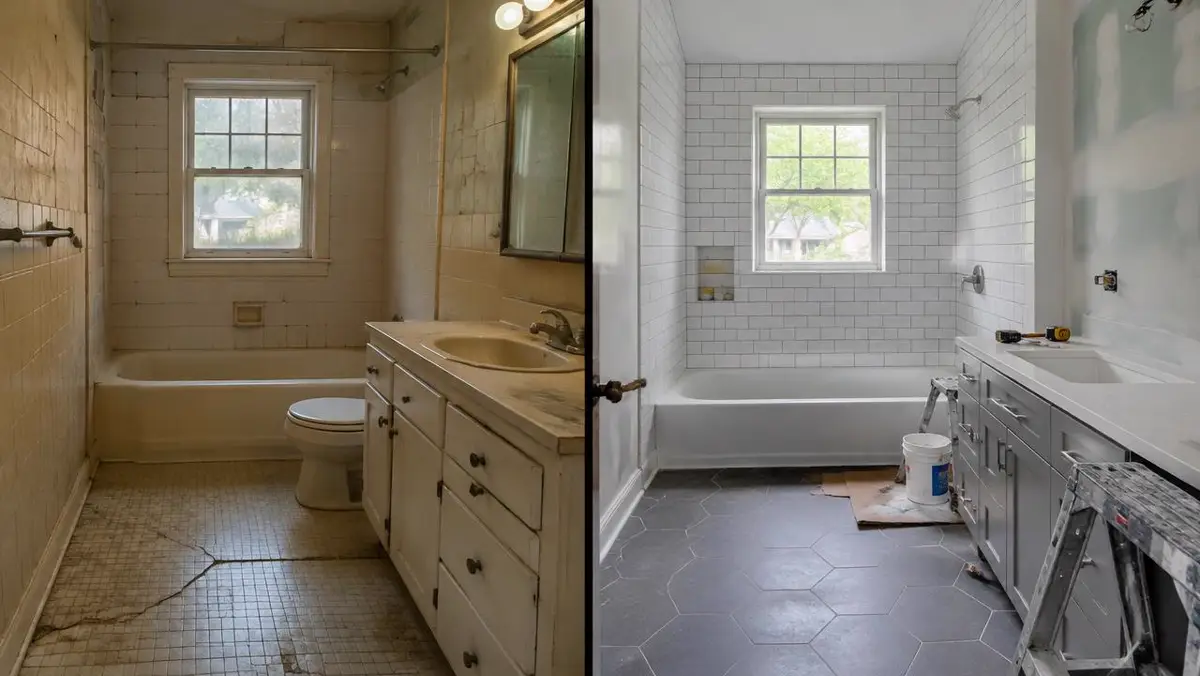
- The home needs real work. Roofs, foundations, outdated systems, or code issues can make financed buyers' lenders balk. See selling as-is or fixing up first.
- You have a deadline. Relocation, a tax sale, a foreclosure date, or a new home closing.
- You're carrying two homes. Every month of overlap is a second mortgage payment.
- It's inherited or vacant. Out-of-state heirs often value one simple closing over months of managing contractors.
- You value certainty. Financed deals can collapse over appraisals, loan denials, or inspection disputes, and you may not find out until weeks into escrow.
When listing is usually the better deal
- The house is updated and in a neighborhood where homes sell quickly.
- You don't need to move by a particular date.
- You can comfortably cover repairs and holding costs.
- You're willing to handle showings and negotiations.
If that's you, listing with a good agent is a sound choice — we'd rather tell you that than make an offer that doesn't fit.
How to test whether a cash offer is fair
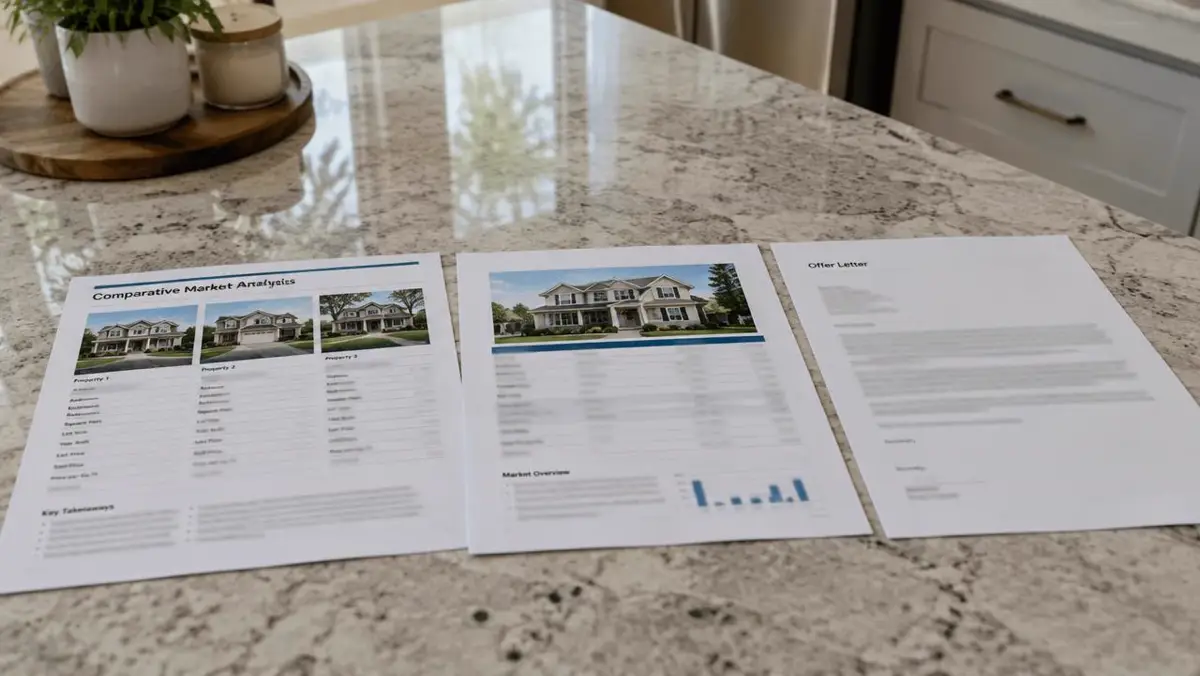
- Ask how the number was built. A reputable buyer will explain the after-repair value, the repair estimate, and its costs. Our breakdown of how cash home buyers calculate offers shows what that should look like.
- Get a listing net sheet too. Ask a local agent to estimate your net after commissions and concessions, not just a list price.
- Check proof of funds and who pays closing costs.
- Read the contract for inspection periods, earnest money, and the buyer's right to back out.
- Never feel pressured. A fair offer is still fair tomorrow.
Cash sale vs. traditional listing at a glance
| Factor | Direct cash sale | Traditional listing |
|---|---|---|
| Typical timeline | As little as 21 days | Often 60–120 days |
| Repairs | None, sold as-is | Usually expected |
| Showings | One walkthrough | Many |
| Financing risk | None | Appraisal and loan approval |
| Headline price | Lower | Higher |
| Net after costs | Often close | Depends on repairs and time |
Assumes ~5.5% commissions, $15k repairs, 2% concessions and ~$2,200/month holding costs on the listing paths.
When a cash sale may not be your best option
A cash sale trades some price for speed and certainty, and that trade isn't right for everyone. If your home is move-in ready, you have three or more months before you need to move, and your goal is the highest possible price, listing with a good agent will often net more. The same is true in a low-inventory market where updated homes draw multiple offers. Run both numbers side by side — our cash vs. listing comparison and closing cost calculator show the math — and choose the path with the better net for your timeline. SilverCrest Estates will tell you plainly when listing looks like the better fit.
A worked example with real line items
Numbers make this decision easier than opinions do. Take a hypothetical house a local agent believes would list at $320,000 once it's fixed up. It needs a new water heater, some flooring, interior paint, and has a roof the inspector will flag. Here is how the two paths compare when you write every cost down.
| Line item | Listing with an agent | Direct cash sale |
|---|---|---|
| Sale price | $320,000 | $280,000 (example offer) |
| Commission (5.5%, negotiable) | −$17,600 | $0 |
| Pre-listing repairs and paint | −$9,000 | $0 |
| Inspection credit for the roof | −$6,000 | $0 |
| Seller closing costs (~1.5%) | −$4,800 | $0 (buyer covers standard costs) |
| Four months of mortgage interest, taxes, insurance, utilities | −$8,400 | ~$700 (one to two weeks) |
| Estimated net before mortgage payoff | $274,200 | $279,300 |
These figures are illustrative, not a quote. Change any of them and the answer can flip. The point is that the gap between a $320,000 list price and a $280,000 cash offer looks like $40,000, but once the costs of getting to the closing table are counted it may be small or even reversed. Plug your own figures into our closing cost and net proceeds calculator to see where your house lands.
The costs nobody puts on the net sheet
A settlement statement shows commission and fees. It doesn't show the things that quietly cost sellers money and time:
- Price reductions. Homes that sit often get cut. A single 3% reduction on a $320,000 house is $9,600.
- Deals that fall apart. When a buyer's financing or appraisal fails, you go back on the market and start the holding-cost clock again.
- Double housing costs. If you've already bought or rented your next place, every extra month means paying for two homes.
- Your time. Coordinating contractors, keeping the house showing-ready, and leaving for every showing is real work, especially with kids, pets, or a job.
None of these are guaranteed, which is why they're easy to ignore. But if your home needs repairs, the odds that at least one of them hits you go up.
Questions that decide it for most sellers
If you're still unsure, answer these honestly:
- Could your home pass a buyer's inspection without significant repairs or credits?
- Do you have the cash to fund repairs before listing, without borrowing?
- Can you keep paying the mortgage, taxes, and utilities for three to six more months?
- Is there a date you must be out by — a new job, a lease, a court deadline?
- Would a buyer's loan falling through cause you real harm?
Mostly "yes" to the first three and "no" to the last two? Listing will probably net you more. The opposite pattern points toward cash. A mix means you should get a written cash offer and an agent's honest net estimate, then compare the two numbers side by side. That costs nothing, and it replaces guesses with figures.
What to ask any cash buyer before you sign
Not every cash buyer operates the same way. Ask for proof of funds, a written offer with the price and closing date, a clear list of who pays which closing costs, and how long the inspection period is. Ask whether the price can change after a walkthrough and why. A reputable buyer answers all of this plainly and puts it in the contract.
The bottom line
A cash sale isn't a shortcut that always costs you money, and it isn't always the best deal either. Run both net numbers side by side. When the difference is small and the cash path removes months of risk, most sellers choose cash. When the difference is large and you have time, list. Either way, get a no-obligation cash offer so you're comparing a real number, not a guess.
Frequently asked questions
Do cash buyers always pay less than market value?
A cash offer is usually below the price a fully repaired home could list for, because the buyer takes on repairs, holding costs, and resale risk. Compared to what you'd actually net after commissions, repairs, concessions, and months of carrying costs, the gap is often much smaller than it first appears.
How do I know if a cash offer is fair?
Ask the buyer to show how they reached the number, including their after-repair value and repair estimate. Then compare it to an agent's net sheet for listing the same home. A fair offer holds up to that comparison and doesn't come with pressure to sign immediately.
Who pays closing costs in a cash home sale?
It depends on the contract. Many direct cash buyers, including SilverCrest Estates, cover the typical closing costs, while sellers on a traditional sale usually pay their own title, transfer tax, and escrow costs plus commissions. Always confirm in writing who pays what before you sign.
Sources & further reading
Primary sources we consulted for this article. Rules vary by state and change over time — always confirm against the original source.
- 1NAR Settlement: What Home Buyers and Sellers Need to Know
National Association of Realtors
How agent compensation became more openly negotiable after 2024.
- 2Closing Disclosure explainer
Consumer Financial Protection Bureau
How closing costs are itemized in a home sale.
- 3Publication 523, Selling Your Home
Internal Revenue Service
Official rules for the home-sale gain exclusion and basis.

About the author
Michael Thompson
Seller Success Manager
Michael Thompson works with the SilverCrest Estates acquisitions team, helping homeowners across 50+ US markets understand their options and close on their own timeline.
Disclaimer: This article is for general information only and is not legal, tax, or financial advice. Real estate rules vary by state and change over time. Consult a licensed attorney, tax professional, or financial advisor about your specific situation before acting.