Start here: this article is part of our seller questions collection. For the full picture, read our complete guide, Can You Sell a House With a Mortgage? Everything You Need to Know.
Quick answer: Yes — no law requires you to inspect your own house before selling it, and when you sell directly to a cash buyer like SilverCrest Estates there is typically no inspection contingency at all, so the price you agree to is the price you close at. What you cannot skip is disclosure: every state requires you to reveal defects you already know about, inspection or not.
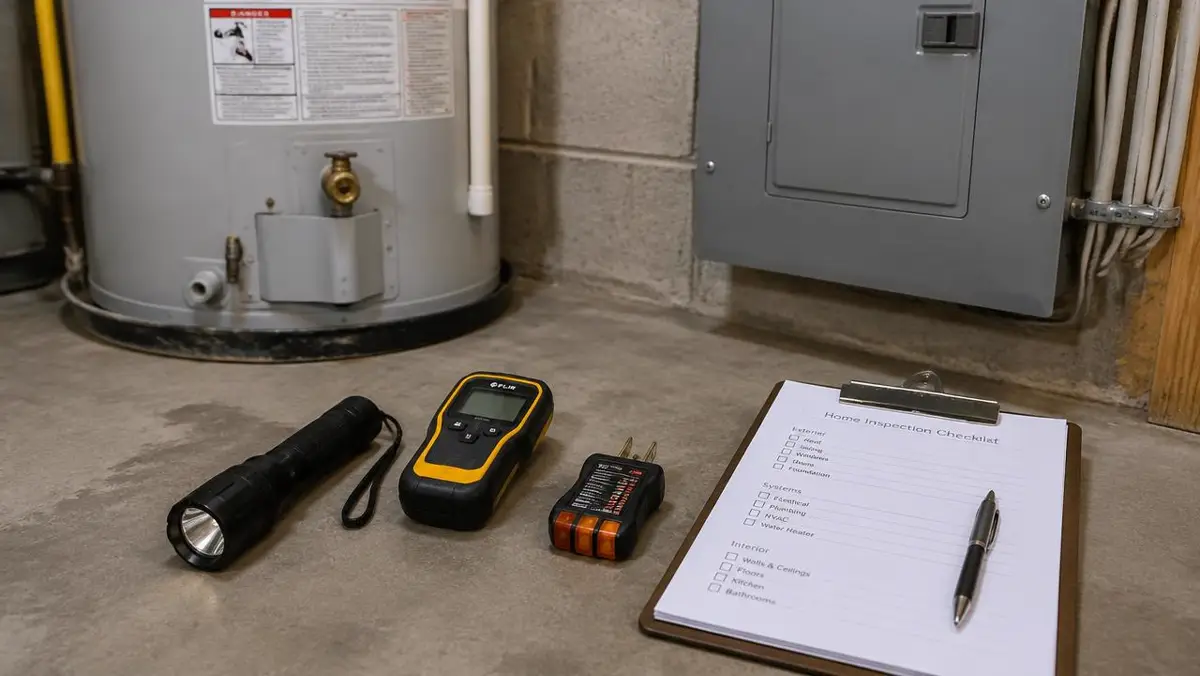
There's a lot of confusion here, so let's separate the three different "inspections" sellers mix up.
The three inspections — and which ones you can skip
- Pre-listing inspection (you order it). Optional everywhere. Some sellers order one to price accurately and avoid surprises; others skip it because in many states a written report can expand what you must disclose.
- Buyer's inspection (they order it). Standard in traditional sales, and the #1 place deals renegotiate or die. You can't stop a retail buyer from inspecting, but you can refuse to renegotiate — which usually ends the deal.
- Lender/appraiser inspection. Required whenever the buyer has a mortgage. Appraisers can flag condition issues that kill financing even if the buyer loves the house.
A direct cash sale removes #2 and #3 entirely: no lender, no appraisal, and the buyer prices the condition from one walkthrough instead of a contingency period.
Inspection exposure by sale type
| Sale path | Pre-listing inspection | Buyer inspection contingency | Lender appraisal |
|---|---|---|---|
| Traditional financed sale | Optional | Yes — renegotiation risk | Yes — can kill the loan |
| Financed sale, as-is listing | Optional | Usually yes | Yes — stricter on condition |
| Direct cash sale (SilverCrest) | Not needed | No contingency | None |
What "without an inspection" does NOT excuse
Skipping the inspection is legal. Skipping disclosure is not.
- State disclosure forms. Nearly every state requires a written seller's disclosure of known material defects — roof leaks, foundation movement, past flooding, unpermitted work.
- Federal lead-paint rules. For homes built before 1978, you must disclose known lead-based paint and provide the EPA pamphlet, regardless of condition or sale type.
- Active concealment. Painting over a water stain to hide an active leak isn't "as-is" — it's fraud, and it survives closing.
The clean rule: you don't have to go looking for problems, but you must tell the truth about the ones you know. Our guide to what disclosures are required when selling a house covers the state-by-state picture.
Why sellers choose the no-inspection path
- No renegotiation ambush. In traditional sales, the inspection report is often used to demand $5,000–$20,000 in credits weeks into escrow. See how home inspections affect a sale.
- No repair punch list. You don't fix, credit, or argue — condition is priced once.
- No financing collapse. Roughly 1 in 20 pending sales falls through, and appraisal/inspection issues are leading causes.
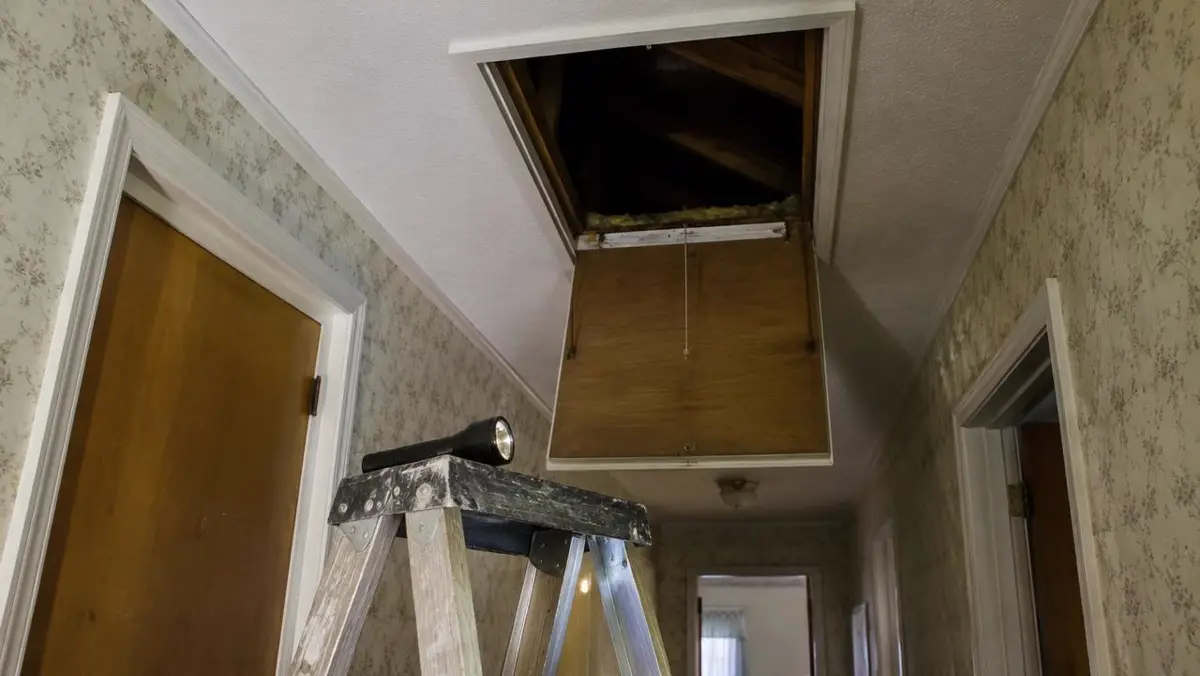
- Privacy. One walkthrough instead of inspectors, appraisers, and strangers with flashlights in your attic.
When you should still get your own inspection
Honest fit check — a cash sale may not be your best option if:
- You genuinely don't know the home's condition (an inherited or long-vacant property) and plan to list retail. A $400 pre-listing inspection can prevent a deal collapse later.
- The home is in good shape and you want top retail dollar — an inspection report becomes a marketing asset.
- Local custom expects it, and your agent advises it.
A direct cash sale removes #2 and #3 entirely: no lender, no appraisal, and the buyer prices the condition from one walkthrough instead of a contingency period.
How a no-inspection cash sale actually works at SilverCrest
- You tell us about the property — start here.
- We do one walkthrough (in person or virtual) and price the condition into a written offer.
- You review the offer with no obligation and no inspection period hanging over it.
- You pick the closing date — as little as 21 days, or later if you need time.
Because we buy with our own funds, there's no lender who can object to the roof, and no appraisal that can come in low. The number we agree on is the number on the closing statement.
Key takeaways
- No law forces you to inspect your home before selling; pre-listing inspections are always optional.
- A direct cash sale eliminates the buyer's inspection contingency and the lender's appraisal.
- Disclosure laws still apply — known defects must be revealed in every state.
- The inspection contingency is where traditional deals most often renegotiate or collapse.
- If you'll list retail and don't know the home's condition, a pre-listing inspection can still be money well spent.
When a cash sale may not be your best option
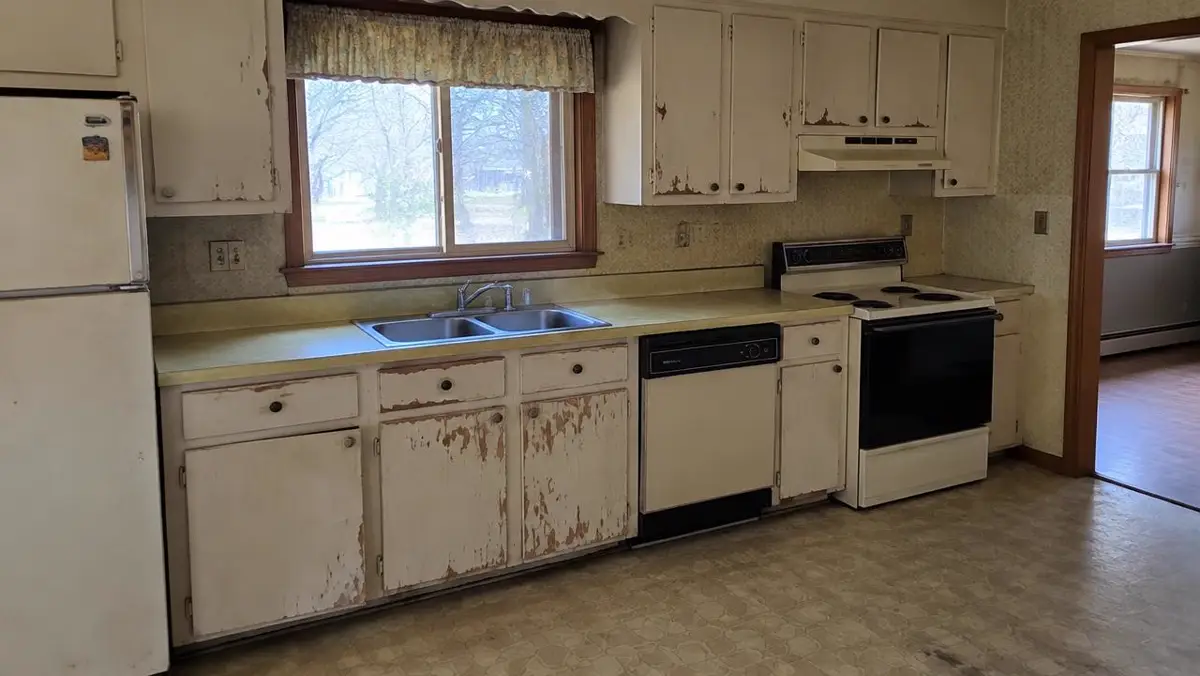
If the repairs are small (paint, fixtures, a minor roof patch) and you have the cash and time to finish them, fixing up and listing can return more than the repair cost. That's also true when the house is in a neighborhood where updated homes sell quickly at a premium. A cash, as-is sale makes the most sense when repairs are large, uncertain, or you'd have to borrow for them. Compare an as-is cash offer with listing using real contractor bids — not guesses — before you decide.
State disclosure laws: what "known defect" really means
Sellers often ask how much they legally have to reveal. The standard in most states is known material defects — problems you are actually aware of that would matter to a reasonable buyer. You are not required to hire experts to go hunting for problems you don't know about. But three traps catch sellers:
- "I didn't know" must be believable. If the basement wall has fresh paint over a crack pattern and you lived there ten years, a court may decide you knew. Willful blindness is not a defense.
- Past problems count. A roof leak you repaired five years ago is still a known past defect in most states — disclose the repair and the receipt.
- The form is not optional. Most states have a mandatory written disclosure form with specific checkboxes. "As-is" written into the contract does not replace the form.
Federal law adds one more layer for pre-1978 homes: the lead-based paint disclosure and EPA pamphlet are required in every sale, as-is or not, cash or financed.
The inspection-period playbook in a traditional sale
If you do list on the open market, understand what the inspection period really is: a second negotiation. The typical sequence is offer accepted, buyer inspects in days 5–10, buyer's agent sends a repair request or credit demand, and you decide whether to concede, refuse, or split it. Sellers who priced the home assuming the first offer was final are routinely surprised by a $10,000 credit request in week two.
Your leverage in that negotiation depends entirely on your alternatives. If the buyer walks, do you have a backup offer, or does the house go back on the market with a stigmatized "back on market" label? This is why some sellers accept credits they'd never have agreed to upfront — and why a sale structure with no inspection contingency at all is worth real money. In a direct sale to SilverCrest Estates, the condition is priced from a single walkthrough and the contract has no inspection period, so the number you sign is the number that closes.
Special cases: estates, rentals, and out-of-state owners
The no-inspection path is especially common in three situations. Estates: heirs who never lived in the home genuinely don't know its condition — executors often sell as-is precisely because they can't certify what they never saw. Rentals: landlords selling with tenant wear may not have seen the interior in years. Out-of-state owners: when you live 1,000 miles away, managing inspectors and repair bids remotely is a second job. In all three, a direct cash sale matches the reality: the buyer inspects once, prices what they see, and the seller isn't asked to certify condition they can't know.
What to put in writing
However you sell, two documents protect you: the completed state disclosure form (filled out honestly, including past repairs) and the purchase contract's as-is clause. Keep copies of both after closing, along with any communication about the home's condition. If a question ever arises later, that paper trail — not your memory — is what resolves it.
Frequently asked questions
Is it legal to sell a house without an inspection?
Yes. Inspections are a contractual protection for buyers, not a legal requirement for sellers. No state requires a seller to order an inspection. What is required in nearly every state is honest disclosure of defects you already know about, plus federal lead-based paint disclosure for pre-1978 homes.
Can a buyer still inspect the house if I sell as is?
In a traditional sale, yes — as-is clauses usually don't block the buyer's right to inspect, only your obligation to repair. The buyer can typically still walk away during the inspection period. In a direct cash sale to SilverCrest Estates, there is no inspection contingency, so the agreed price doesn't get renegotiated after the fact.
What happens if a problem is found after I sell without an inspection?
If you genuinely didn't know about the defect and disclosed everything you were aware of, the buyer generally has no claim — that's the point of an as-is sale. If you knew and hid it, the buyer can sue for fraud or misrepresentation even after closing. Honest, complete disclosure is your legal shield.
Does selling without an inspection lower my price?
In a retail sale, buyers price in inspection risk and often discount more than the repairs would cost. A professional cash buyer prices condition from a single walkthrough based on actual repair costs, which is typically a smaller, more predictable discount. Either way, you trade some price for certainty and speed.
Sources & further reading
Primary sources we consulted for this article. Rules vary by state and change over time — always confirm against the original source.
- 1Real Estate Disclosure (Lead-Based Paint)
U.S. Environmental Protection Agency
Federal pre-1978 disclosure duties that apply in every sale.
- 2Home Inspections: A Guide for Home Buyers and Sellers
U.S. Department of Housing and Urban Development
HUD's overview of how inspections fit into a home sale.
- 3Buying a house: tools and resources
Consumer Financial Protection Bureau
Federal consumer guidance on inspections and contingencies.

About the author
Sarah Williams
Seller Success Manager
Sarah Williams works with the SilverCrest Estates acquisitions team, helping homeowners across 50+ US markets understand their options and close on their own timeline.
Disclaimer: This article is for general information only and is not legal, tax, or financial advice. Real estate rules vary by state and change over time. Consult a licensed attorney, tax professional, or financial advisor about your specific situation before acting.