Start here: this article is part of our selling your home collection. For the full picture, read our complete guide, How to Sell Your House Fast: The Complete Homeowner's Guide.
When you catch yourself thinking, "I need to sell my house as is fast," it often means you're navigating more than just a property transaction. You're likely dealing with significant life shifts, and the thought of getting a home ready for the traditional market feels impossible. This guide will help you understand your options and determine if a quick, 'as is' sale is the right path for your unique situation.
As-is fast: listing vs. direct
| Listing with an agent | Direct cash sale | |
|---|---|---|
| Repairs | Buyers ask after inspection | None |
| Showings | Many | None |
| Time to close | 60–120 days | As little as 21 days |
| Fees | Commissions + closing costs | No commission |
When Selling 'As Is' Fast Makes Sense
Life rarely offers the luxury of a slow, predictable home sale. Certain circumstances demand speed and simplicity. In these moments, selling your house exactly as it is, without repairs or upgrades, can be more than just convenient – it can be essential.
Common Situations Benefiting from a Fast 'As Is' Sale
Many people turn to us when time and effort are scarce. Here are some of the most common reasons:
- Inherited Properties: Inheriting a home, especially one that hasn't been updated in years or is far away, can be a heavy burden. Dealing with probate, clearing out belongings, and then financing repairs is daunting. Selling it 'as is' quickly allows you to move forward without the emotional and financial strain. Learn more about selling my house as is without making repairs.
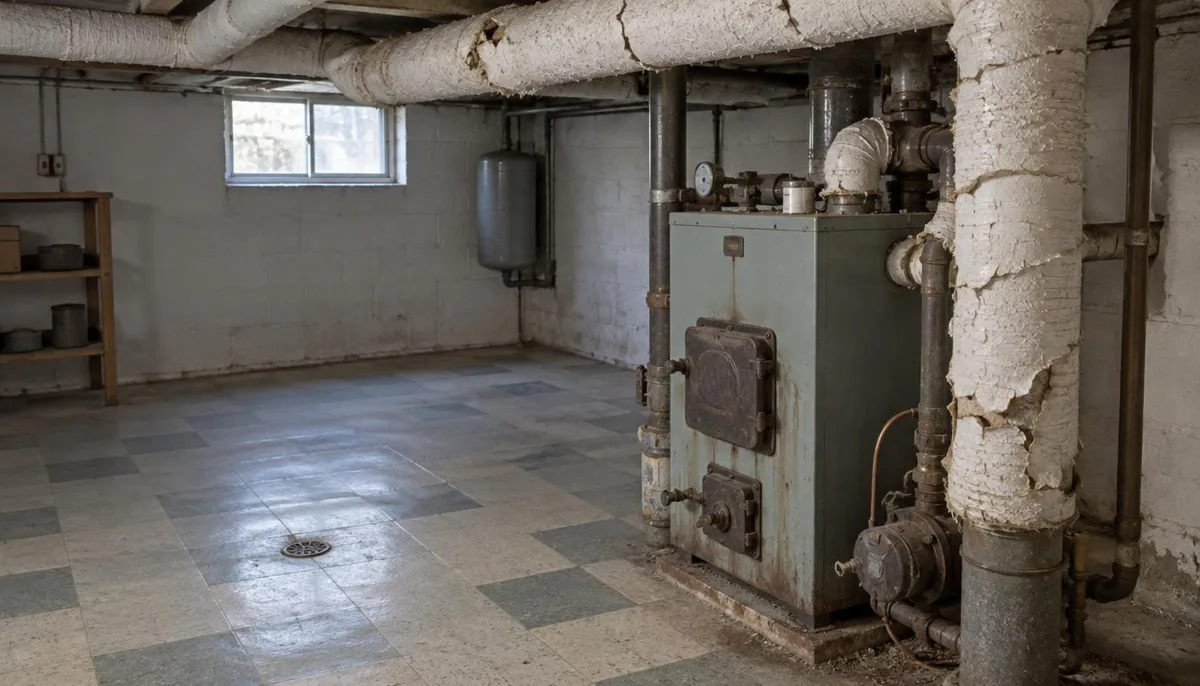
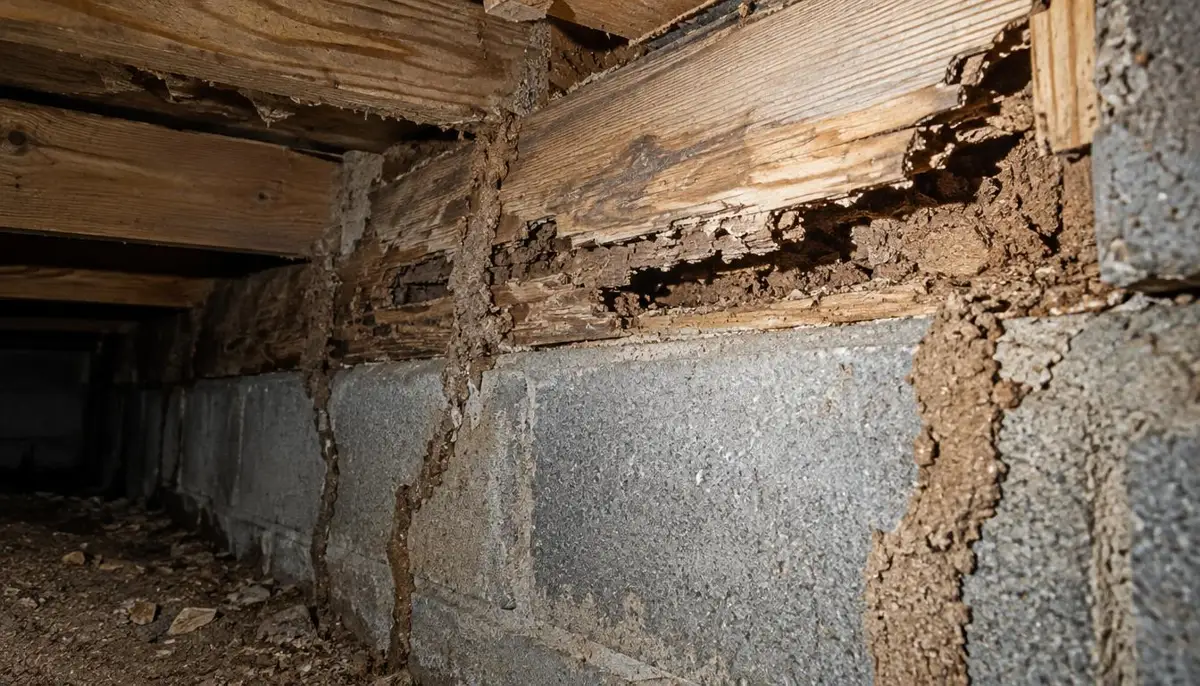
- Distressed or Damaged Homes: If your house has seen better days – maybe it has foundation issues, a leaky roof, or hasn't been maintained in a while – the cost and effort of bringing it up to market standards can be enormous. This isn't feasible for everyone, especially when funds are tight.
- Foreclosure or Financial Strain: Facing foreclosure or struggling with mortgage payments means time is critical. A fast sale can help you avoid further damage to your credit and financial penalties.
- Relocation for Work: When a job opportunity requires a quick move, waiting months for a traditional sale isn't an option. Selling your house 'as is' allows you to transition without the stress of managing a vacant property from afar. See our guide on selling for job relocation.
- Divorce Proceedings: During a divorce, both parties often want to finalize financial matters quickly and cleanly. Selling a shared asset like a home 'as is' can simplify asset division and reduce ongoing disputes.
- Tired Landlords: Managing rental properties can be profitable, but also comes with headaches: difficult tenants, constant repairs, and fluctuating market conditions. If you're tired of the responsibilities, selling your investment property 'as is' can free you from the burden.
Why Traditional Selling Falls Short in These Cases
The traditional real estate market suits homes in good condition, appealing to buyers relying on financing. For 'as is' and time-sensitive situations, this path often presents significant hurdles:
- Extended Timelines: Listing with an agent, showing the house, waiting for offers, dealing with inspections, and buyer financing can take months, sometimes over a year. This isn't an option when speed is paramount.
- Required Repairs and Upgrades: To compete, sellers are often pressured to make significant repairs, stage the home, and invest in upgrades. This demands upfront capital, time, and effort.
- Uncertainty: There's no guarantee when your house will sell or for what price until the deal closes. This uncertainty adds immense stress to already difficult situations.
- Buyer Financing Issues: Many traditional buyers rely on mortgages. If your home has significant issues, lenders might be unwilling to approve a loan, leading to deals falling through and more delays.
When you catch yourself thinking, "I need to sell my house as is fast," it often means you're navigating more than just a property transaction.
Understanding an 'As Is' Sale: No Repairs, No Stress
When we talk about selling a house "as is," it's a clear concept with distinct benefits for the right situation. It means you sell your property in its current state, without making any repairs, renovations, or upgrades.
No Repairs, No Stress
Imagine not having to fix that leaky faucet, replace the worn-out carpet, or patch the hole in the wall. When you sell a house 'as is,' the buyer agrees to accept the property exactly as it stands. This doesn't mean hiding issues; you still disclose any known problems, but you won't be expected to fix them before closing. This aspect alone can save sellers thousands of dollars and countless hours of work and coordination with contractors.
The Buyer Accepts All Disclosed Conditions
An 'as is' sale means the buyer is aware they are taking on any existing issues. This clarity upfront avoids surprises and renegotiations later in the process. It's a transparent transaction where both parties understand the property's state. For you, the seller, it means you can literally walk away from the property without looking back, leaving all the work to the new owner.
The Hidden Costs of a Traditional Sale (Beyond the Price Tag)
While the listing price of a traditional sale might look higher on paper, it's crucial to understand the often substantial costs involved. These expenses can significantly reduce the net amount you actually receive, especially when you factor in time and effort.
Financial Outlays
- Agent Commissions: Typically 5-6% of the sale price. On a $300,000 home, that's $15,000 to $18,000 immediately deducted from your proceeds.
- Closing Costs: These vary but generally range from 2-5% of the sale price. They can include title insurance, escrow fees, transfer taxes, attorney fees, and more. For a $300,000 home, this could be another $6,000 to $15,000.
- Repair and Renovation Budgets: To make your home competitive, you might spend anywhere from a few hundred to tens of thousands of dollars on necessary repairs and aesthetic upgrades. This is an investment you hope to recoup, but there's no guarantee.
- Staging Costs: Professional staging can cost hundreds to thousands of dollars to make your home more appealing.
- Holding Costs: While your house is on the market, you're still paying mortgage interest, property taxes, homeowner's insurance, and utility bills. These costs add up every month the house sits unsold. For perspective, consider our guide on how fast you can sell a house.
- Seller Concessions: Buyers often request concessions for repairs or closing costs after an inspection, which can further reduce your net profit.
Time and Effort Costs
Beyond direct financial costs, the traditional selling process demands significant time and emotional energy:
- Preparing for Sale: Cleaning, decluttering, painting, making repairs – this can take weeks or months of work.
- Showing Your Home: Coordinating showings, keeping your house spotless, and vacating for open houses can be incredibly disruptive.
- Negotiations: Dealing with offers, counter-offers, and inspection requests can be stressful and time-consuming.
- Uncertainty and Stress: The long wait, the potential for deals to fall through, and the constant need to be 'on call' for your agent can take a toll.
Let's compare what you might net from a $300,000 home sale through different routes, illustrating how these traditional costs can eat into your profit. These numbers are illustrative and can vary widely.
When a cash sale may not be your best option
If the repairs are small (paint, fixtures, a minor roof patch) and you have the cash and time to finish them, fixing up and listing can return more than the repair cost. That's also true when the house is in a neighborhood where updated homes sell quickly at a premium. A cash, as-is sale makes the most sense when repairs are large, uncertain, or you'd have to borrow for them. Compare an as-is cash offer with listing using real contractor bids — not guesses — before you decide.
What to expect at the walkthrough
A walkthrough on an as-is sale is short. The buyer confirms the condition matches what you described and checks major systems so their repair estimate is accurate. You don't need to clean or stage. It helps to have keys for every lock, access to the attic and crawlspace, and any repair estimates or permits you already have. Ask the buyer up front whether the price can change after the walkthrough and under what conditions, and get the answer in the contract.
Frequently asked questions
Will I get less money if I sell my house 'as is' fast for cash?
When you sell 'as is' for cash, the offer reflects the current condition and the value of a quick, hassle-free transaction. While the initial offer might be lower than a top-dollar retail price, you avoid significant expenses like agent commissions, repair costs, staging, and ongoing holding costs (mortgage, utilities, taxes) that eat into your profit in a traditional sale. Often, the net amount you walk away with is comparable, and the peace of mind is invaluable.
Do I still need to make disclosures if I sell my house 'as is'?
Yes, absolutely. Selling 'as is' means the buyer accepts the property's current condition, but it does not remove your legal obligation to disclose any known material defects. Transparency is key. We expect honest disclosures about your property, and we review them thoroughly as part of our evaluation.
How quickly can SilverCrest Estates close on an 'as is' house?
One of the biggest advantages of selling to us directly for cash is speed. After we agree on an offer, we can typically close in as little as 21 days. However, we're flexible and can adjust the closing date to fit your specific timeline, whether you need to move out quickly or require more time.
What kind of condition does my house need to be in for SilverCrest Estates to buy it 'as is'?
We buy houses in virtually any condition, regardless of the repairs or renovations needed. This includes homes with significant structural issues, fire damage, water damage, or just properties that haven't been updated in decades. You don't need to clean, paint, or fix anything. Our offers are based on the property's current state, so don't hesitate to reach out.
Sources & further reading
Primary sources we consulted for this article. Rules vary by state and change over time — always confirm against the original source.
- 1Real estate disclosures about potential lead hazards
U.S. Environmental Protection Agency
The federal lead-paint disclosure that still applies to as-is sales of pre-1978 homes.
- 2Topic No. 701, Sale of Your Home
Internal Revenue Service
Plain summary of when a home sale is taxable and what you must report.
- 3Publication 523, Selling Your Home
Internal Revenue Service
How the home-sale gain exclusion and basis rules apply when you sell.

About the author
David Park
Property Acquisition Specialist
David Park works with the SilverCrest Estates acquisitions team, helping homeowners across 50+ US markets understand their options and close on their own timeline.
Disclaimer: This article is for general information only and is not legal, tax, or financial advice. Real estate rules vary by state and change over time. Consult a licensed attorney, tax professional, or financial advisor about your specific situation before acting.