Start here: this article is part of our selling your home collection. For the full picture, read our complete guide, How to Sell Your House Fast: The Complete Homeowner's Guide.
Quick answer: Selling a house with termite damage is possible once you know two things: whether termites are still active and how much wood is structurally affected. A licensed inspection report answers both. Treatment often costs hundreds to a few thousand dollars, while structural wood repair can cost far more (illustrative ranges). SilverCrest Estates can buy as-is so you can compare paths.
- Get a wood-destroying insect (WDI) report from a licensed pest control inspector.
- Treat active infestation first; price structural repair separately.
- Compare repair-and-list, a buyer credit, and an as-is written offer.
General education, not legal or engineering advice. State pest-report rules are flagged for attorney review.
Can you sell a house with termite damage?
Yes. Termite damage does not make a home unsellable, but it changes who will buy it and on what terms. Buyers, lenders and appraisers mainly want to know whether the infestation is active and whether the structure is sound.
The EPA's termite guidance explains how to identify termites and why control normally requires a licensed professional. A clear report turns a vague "termite problem" into a defined scope a buyer can price.
Old, treated damage with a clean current inspection is a very different sale from live activity in the sill plate. Your goal before listing or accepting an offer is to know which situation you have.
Signs of termite damage sellers should look for
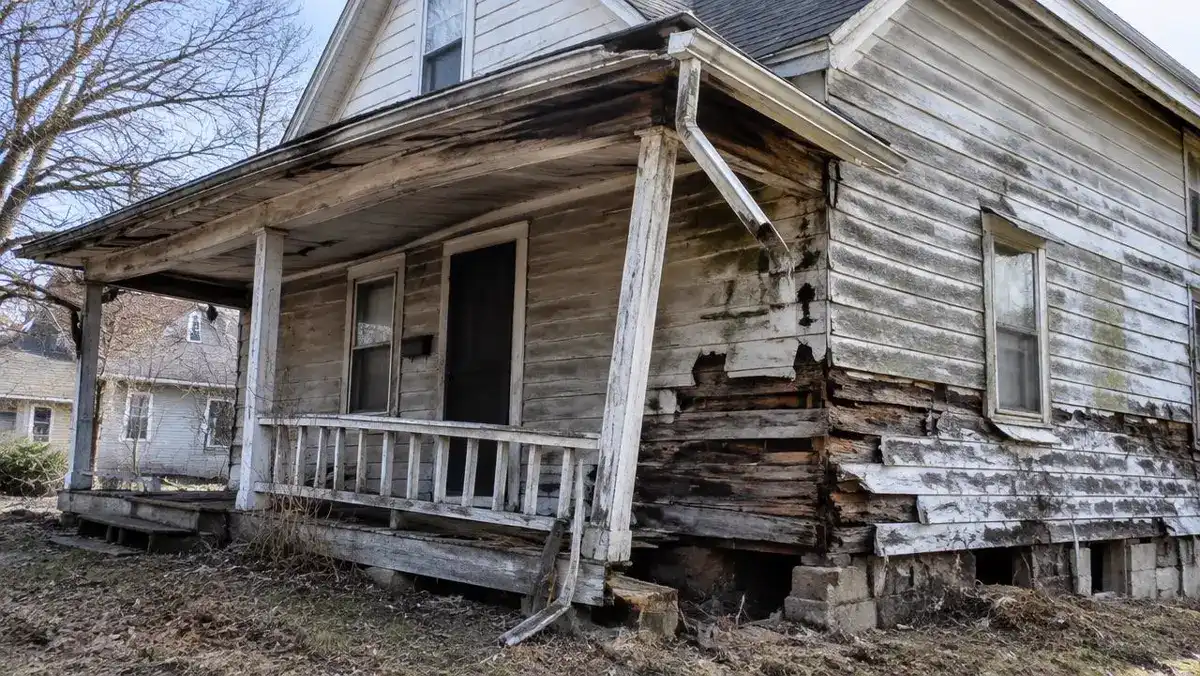
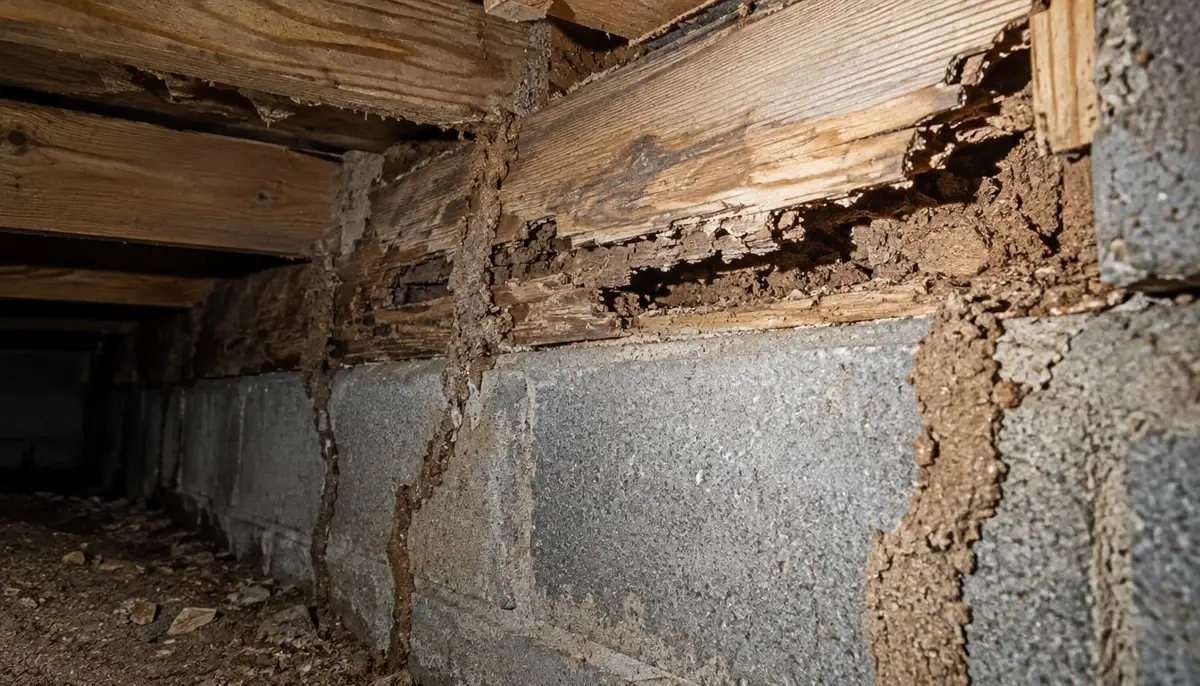
Common warning signs include mud tubes on foundation walls, hollow-sounding or soft wood, blistered flooring, discarded wings near windows and small piles of pellet-like droppings. These signs justify a professional inspection, not a do-it-yourself diagnosis.
Subterranean vs drywood termites
Subterranean termites live in soil and build pencil-width mud tubes to reach wood, so damage often starts at the sill plate, rim joists and crawlspace framing. Drywood termites live inside the wood itself and leave fecal pellets, often in attics, trim and furniture. The species changes the treatment: soil treatment or bait systems for subterranean colonies, and localized or whole-structure treatment for drywood.
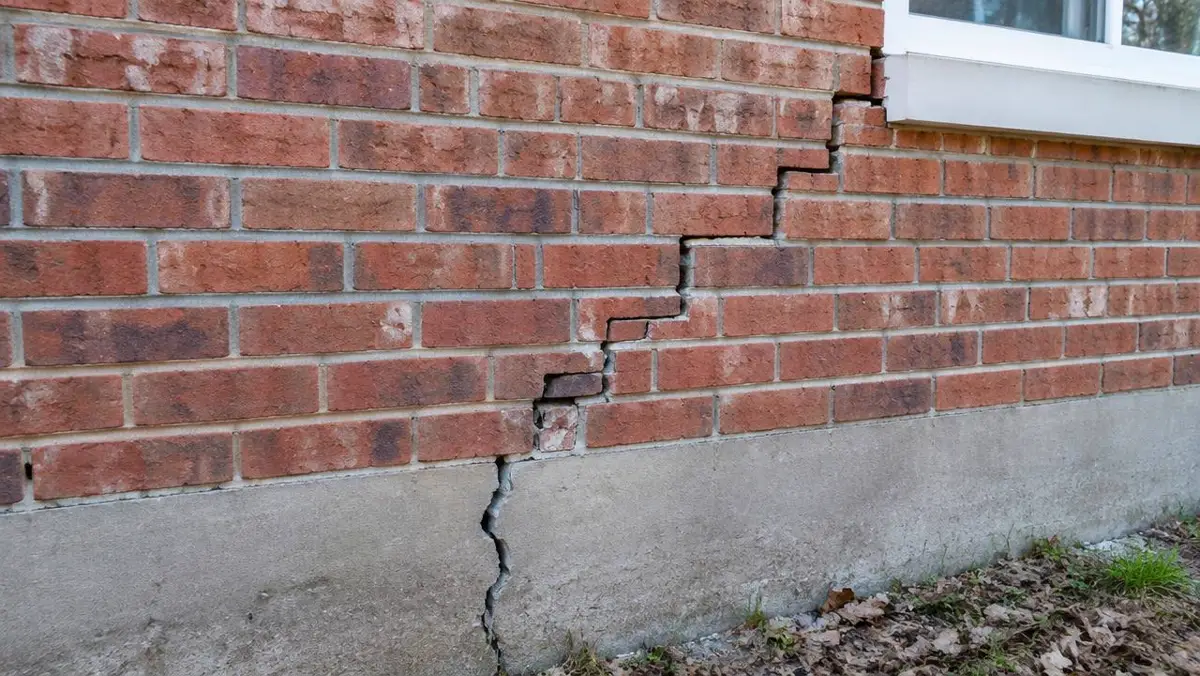
Where the damage sits matters as much as how much there is. Damaged trim is cosmetic; damaged joists, beams or sill plates can affect structural support and may need an engineer or licensed contractor.
Get a wood-destroying insect inspection first
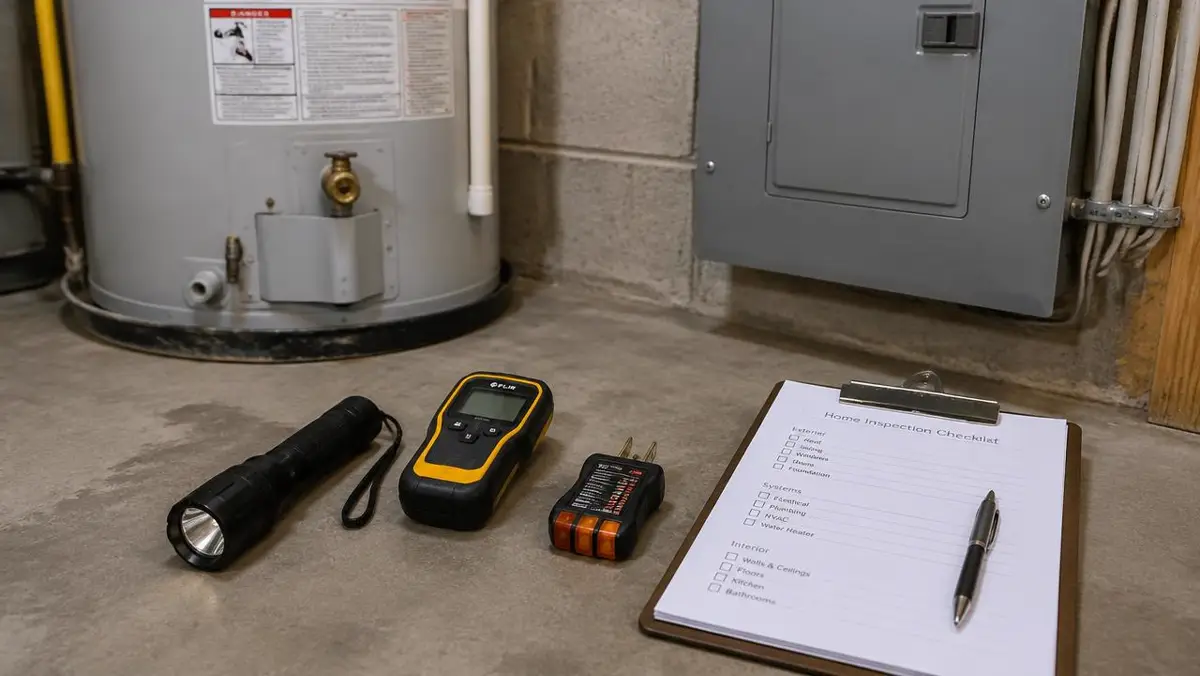
A wood-destroying insect report, often called a WDI or WDO report, documents visible evidence of activity, past damage and conditions that attract termites. It is usually a short, standardized form prepared by a licensed inspector.
States regulate these reports through their structural pest control agencies. In Texas, the Texas Department of Agriculture's Structural Pest Control Service licenses the businesses that perform them and uses an official wood-destroying insect report form. In California, the Structural Pest Control Board licenses operators whose reports separate findings into categories, commonly described as active infestation or damage versus conditions likely to lead to it.
Ask the inspector to mark accessible and inaccessible areas. A report that could not see behind finished basement walls is not a clean bill of health, and buyers' inspectors will notice.
An as-is offer of $215,000 with $1,500 in costs nets $213,500.
Treat first, then price the repairs
Stop active termites before estimating wood repair. Repairing damaged framing while a colony is still feeding wastes money and can void a contractor's workmanship terms.
Selling a house with termite damage: decision sequence
- 1
Get a WDI report
Licensed inspector documents activity.
- 2
Treat activity
Stop live termites first.
- 3
Scope the wood
Structural repair quotes in writing.
- 4
Pick your path
Repair, credit or as-is offer.

Decision sequence for sellers; treatment does not repair damaged wood.
Get treatment and repair quoted separately. A treatment company may offer a renewable warranty, sometimes called a termite bond, that can transfer to a buyer. Ask in writing whether it covers re-treatment only or also repair of new damage, and whether it transfers at sale. Buyers value a transferable warranty with clear terms.
Worked example: repair, credit or as-is?
Illustrative numbers only. A repaired home would list at $260,000. Treatment costs $1,800, sill plate and joist repair costs $14,000, holding costs add $4,000 and selling costs total $18,000. Net before mortgage payoff: $260,000 − $1,800 − $14,000 − $4,000 − $18,000 = $222,200.
Offering a buyer a $16,000 repair credit instead, at a $258,000 price with the same $18,000 selling costs and $1,800 treatment, nets $222,200 as well, but only if a financed buyer's lender accepts the unrepaired structure. An as-is offer of $215,000 with $1,500 in costs nets $213,500. Listing wins by about $8,700 on paper; the trade-off is time, repair risk and financing uncertainty.
How termite damage affects buyer financing
Financed buyers face extra scrutiny. Government-backed loan guidelines, such as the FHA requirements in HUD Handbook 4000.1, direct appraisers to report evidence of infestation and conditions that affect safety or soundness, and lenders may require inspection, treatment or repair before closing.
That is why termite findings often trigger repair requests or price renegotiation during a financed buyer's inspection period. Some lenders require a clean or treated WDI report regardless of what the contract says. If your buyer's loan type requires repairs you cannot afford, the deal can fail late, after you have already moved your schedule.
Cash buyers do not depend on a lender's property conditions, so they can close with documented damage. They will price that damage into the offer, which is why comparing written nets matters.
Should you repair termite damage before selling?
Repair when damage is structural, quotes are reasonable relative to your home's value, and you have time to manage contractors. Skip major repairs when the scope is uncertain, costs are high, or you need a predictable closing date.
Cosmetic damage to trim or baseboards is often cheap to fix and can improve showings. Structural damage to sill plates, joists or beams usually needs a licensed contractor and possibly permits, and hidden damage is common once walls are opened. Get at least two written repair quotes, and ask whether permits or an engineer's letter are needed. Our foundation issues guide covers structural sales more broadly, and our major-repairs guide compares repair-and-list against selling in current condition.
What to disclose about termite damage
Disclose known termite activity, past treatment, repairs and any warranty on your state's seller disclosure form. An as-is sale limits repair obligations; it does not remove the duty to share known material facts where your state requires it.
Include the WDI report, treatment invoices, warranty documents and repair receipts. If damage was repaired years ago, say what was done and by whom. Do not paint over mud tubes or patch damaged wood to hide it before showings; concealment can expose you to claims after closing. Our seller disclosure guide explains assembling the packet, and our home inspection guide covers responding to buyer inspection findings.
When a cash sale may not be your best option
A cash sale is not always the better choice. If termites are treated, the damage is minor or already repaired, and the house is otherwise move-in ready, listing may net more, especially if you have time and a transferable warranty to show buyers.
Consider listing when repair quotes are small relative to value and your timeline is flexible. Compare written numbers using our cash offer vs listing guide.
SilverCrest Estates buys houses with termite damage in their current condition, without requiring treatment or repairs first. Close in as little as 21 days when title and transaction requirements allow. Request a no-obligation cash offer and compare it with your repair-and-list net.
Key takeaways
- Termite damage is sellable; buyers need to know if activity is live and the structure is sound.
- A licensed WDI report and separate treatment and repair quotes define the scope.
- Financed buyers may face lender repair conditions; cash buyers price damage instead.
- Disclose known activity, treatment, repairs and warranties, and never conceal damage.
Frequently asked questions
Can you sell a house with termite damage?
Yes. Buyers and lenders mainly want to know whether termites are active and whether the structure is sound. A licensed inspection report and repair quotes define the scope.
Do I have to treat termites before selling?
Not always, but financed buyers' lenders may require treatment or repair before closing. Cash buyers can purchase with active findings and price them into the offer.
Does a termite bond transfer to the buyer?
Some treatment warranties transfer at sale and some do not. Ask the provider in writing what is covered and whether the warranty can be transferred.
Sources & further reading
Primary sources we consulted for this article. Rules vary by state and change over time — always confirm against the original source.
- 1Termites: how to identify and control them
U.S. Environmental Protection Agency
Identification and professional control.
- 2Single Family Housing Policy Handbook 4000.1
U.S. Department of Housing and Urban Development
FHA appraisal and property condition requirements.
- 3Structural Pest Control Service
Texas Department of Agriculture
Texas licensing and wood-destroying insect reports.
- 4Structural Pest Control Board
California Department of Consumer Affairs
California licensing and inspection reports.

About the author
David Park
Seller Success Manager
David Park works with the SilverCrest Estates acquisitions team, helping homeowners across 50+ US markets understand their options and close on their own timeline.
Disclaimer: This article is for general information only and is not legal, tax, or financial advice. Real estate rules vary by state and change over time. Consult a licensed attorney, tax professional, or financial advisor about your specific situation before acting.